
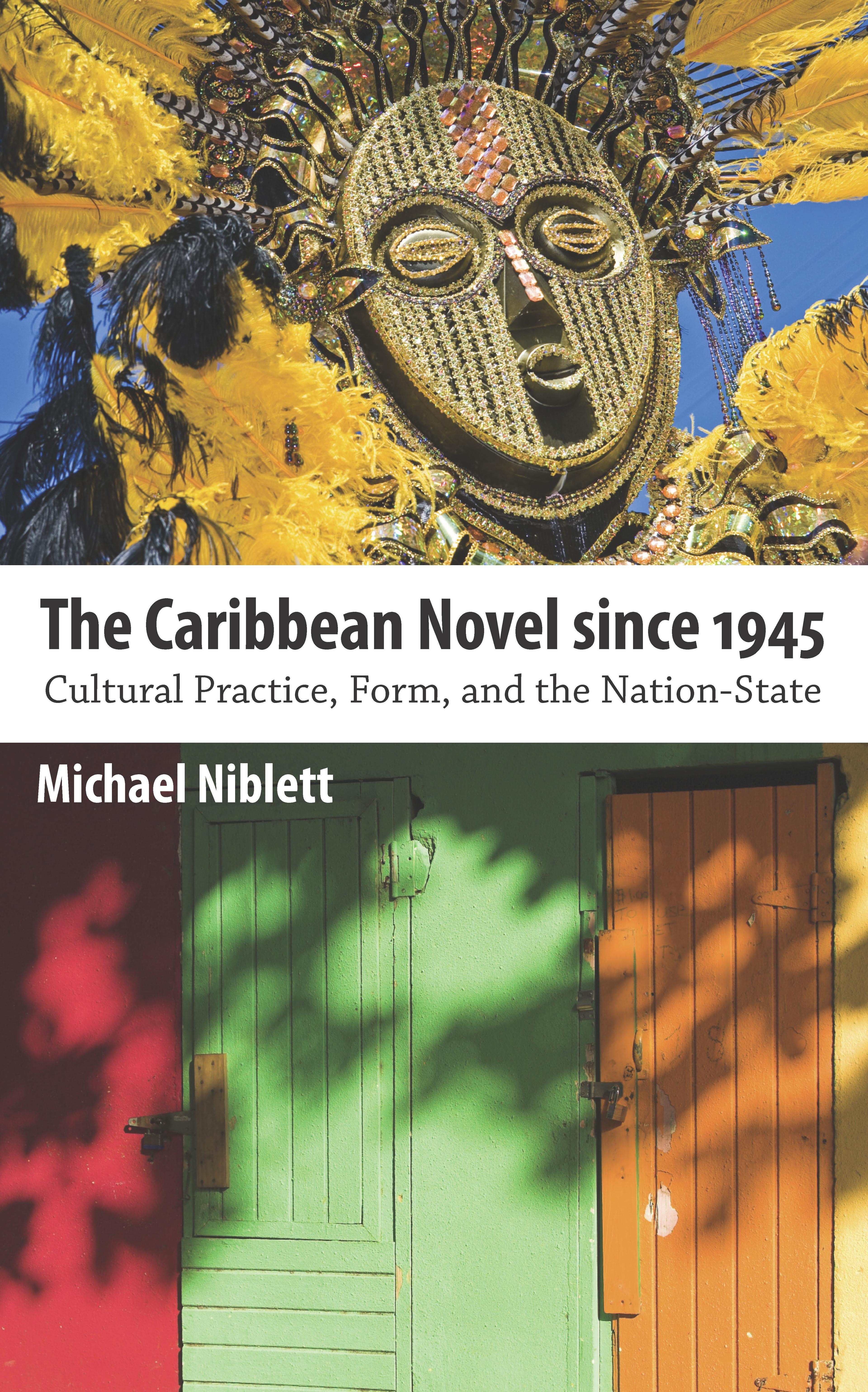
The Caribbean Novel since 1945 offers a comparative analysis of fiction from across the pan-Caribbean, exploring the relationship between literary form, cultural practice, and the nation-state. Engaging with the historical and political impact of capitalist imperialism, decolonization, class struggle, ethnic conflict, and gender relations, it considers the ways in which Caribbean authors have sought to rethink and re-narrate the traumatic past and often problematic “postcolonial” present of the region’s peoples. It pays particular attention to the role cultural practices such as stick fighting and Carnival, as well as religious rituals and beliefs like Vodou and Myal, have played in efforts to reshape the novel form. In so doing, it provides an original perspective on the importance of these practices, with their emphasis on bodily movement, to the development of new philosophies of history.
Beginning in the post-WWII period, when optimism surrounding the possibility of social and political change was at a peak, The Caribbean Novel since 1945 interrogates the trajectories of various national projects through to the present. It explores how the textual histories of common motifs in Caribbean writing have functioned to encode the fluctuating fortunes of different political dispensations. The scope of the analysis is varied and comprehensive, covering both critically acclaimed and lesser-known authors from the Anglophone, Francophone, and Hispanophone traditions. These include Jacques Roumain, Sam Selvon, Marie Chauvet, Luis Rafael Sánchez, Earl Lovelace, Patrick Chamoiseau, Erna Brodber, Wilson Harris, Shani Mootoo, Oonya Kempadoo, Ernest Moutoussamy, and Pedro Juan Gutiérrez. Mixing detailed analysis of key texts with wider surveys of significant trends, this book emphasizes the continuing significance of representations of the nation-state to literary articulations of resistance to the imperialist logic of global capital.
Beginning in the post-WWII period, when optimism surrounding the possibility of social and political change was at a peak, The Caribbean Novel since 1945 interrogates the trajectories of various national projects through to the present. It explores how the textual histories of common motifs in Caribbean writing have functioned to encode the fluctuating fortunes of different political dispensations. The scope of the analysis is varied and comprehensive, covering both critically acclaimed and lesser-known authors from the Anglophone, Francophone, and Hispanophone traditions. These include Jacques Roumain, Sam Selvon, Marie Chauvet, Luis Rafael Sánchez, Earl Lovelace, Patrick Chamoiseau, Erna Brodber, Wilson Harris, Shani Mootoo, Oonya Kempadoo, Ernest Moutoussamy, and Pedro Juan Gutiérrez. Mixing detailed analysis of key texts with wider surveys of significant trends, this book emphasizes the continuing significance of representations of the nation-state to literary articulations of resistance to the imperialist logic of global capital.
Payez facilement par carte, Klarna, Apple Pay ou Google Pay. Pas satisfait ? Vous avez toujours une garantie de remboursement de 14 jours. En savoir plus dans nos conditions. Si vous avez des questions, envoyez-nous un e-mail à hello@memmo.org.
Memmo facilite tes études, où que tu sois dans le monde. On rassemble tes manuels de cours et des outils d'étude intelligents au même endroit : résumés, quiz, podcasts et flashcards. Et il y a Ted, ton compagnon d'étude qui répond à toutes tes questions. Plus de 50 000 étudiants étudient déjà ici – conçu pour t'aider à apprendre plus vite et à moins stresser.
Tu pourrais aussi aimer
Acheter le livre0