
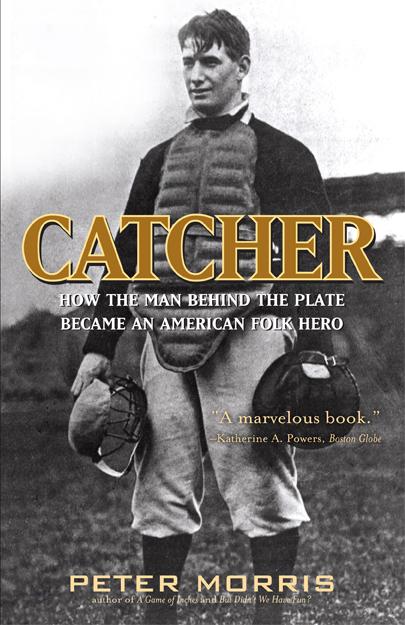
Today the baseball catcher is a familiar but uninspiring figure. Decked out in the so-called tools of ignorance, he stolidly goes about his duty without attracting much attention. But it wasn't always that way, as Peter Morris shows in this lively and original study. In baseball's early days, catchers stood a safe distance behind the batter. Then the introduction of the curveball in the 1870s led them to move up directly behind home plate, even though they still wore no gloves or protective equipment. Extraordinary courage became the catcher's most notable requirement, but the new positioning also demanded that the catcher have lightning-fast reflexes, great hands, and a cannon for a throwing arm.
Payez facilement par carte, Klarna, Apple Pay ou Google Pay. Pas satisfait ? Vous avez toujours une garantie de remboursement de 14 jours. En savoir plus dans nos conditions. Si vous avez des questions, envoyez-nous un e-mail à hello@memmo.org.
Memmo facilite tes études, où que tu sois dans le monde. On rassemble tes manuels de cours et des outils d'étude intelligents au même endroit : résumés, quiz, podcasts et flashcards. Et il y a Ted, ton compagnon d'étude qui répond à toutes tes questions. Plus de 50 000 étudiants étudient déjà ici – conçu pour t'aider à apprendre plus vite et à moins stresser.