
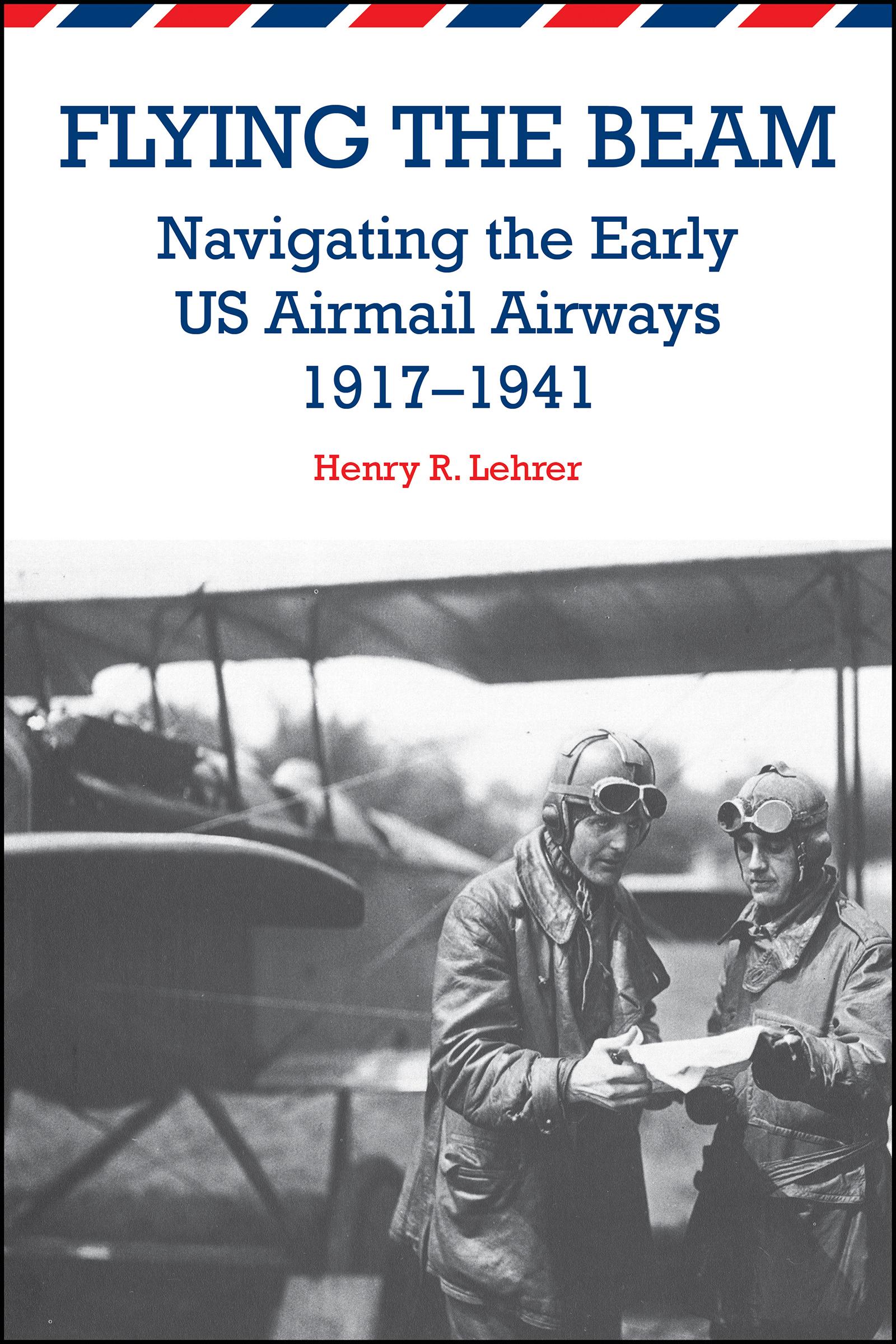
With air travel a regular part of daily life in North America, we tend to take the infrastructure that makes it possible for granted. However, the systems, regulations, and technologies of civil aviation are in fact the product of decades of experimentation and political negotiation, much of it connected to the development of the airmail as the first commercially sustainable use of airplanes. From the lighted airways of the 1920s through the radio navigation system in place by the time of World War II, this book explores the conceptualization and ultimate construction of the initial US airways systems.The daring exploits of the earliest airmail pilots are well documented, but the underlying story of just how brick-and-mortar construction, radio research and improvement, chart and map preparation, and other less glamorous aspects of aviation contributed to the system we have today has been understudied. Flying the Beam traces the development of aeronautical navigation of the US airmail airways from 1917 to 1941. Chronologically organized, the book draws on period documents, pilot memoirs, and firsthand investigation of surviving material remains in the landscape to trace the development of the system. The author shows how visual cross-country navigation, only possible in good weather, was developed into all-weather "blind flying." The daytime techniques of "following railroads and rivers" were supplemented by a series of lighted beacons (later replaced by radio towers) crisscrossing the country to allow nighttime transit of long-distance routes, such as the one between New York and San Francisco. Although today's airway system extends far beyond the continental US and is based on digital technologies, the way pilots navigate from place to place basically uses the same infrastructure and procedures that were pioneered almost a century earlier. While navigational electronics have changed greatly over the years, actually "flying the beam" has changed very little.
Payez facilement par carte, Klarna, Apple Pay ou Google Pay. Pas satisfait ? Vous avez toujours une garantie de remboursement de 14 jours. En savoir plus dans nos conditions. Si vous avez des questions, envoyez-nous un e-mail à hello@memmo.org.
Memmo facilite tes études, où que tu sois dans le monde. On rassemble tes manuels de cours et des outils d'étude intelligents au même endroit : résumés, quiz, podcasts et flashcards. Et il y a Ted, ton compagnon d'étude qui répond à toutes tes questions. Plus de 50 000 étudiants étudient déjà ici – conçu pour t'aider à apprendre plus vite et à moins stresser.
Tu pourrais aussi aimer
Acheter le livre0