
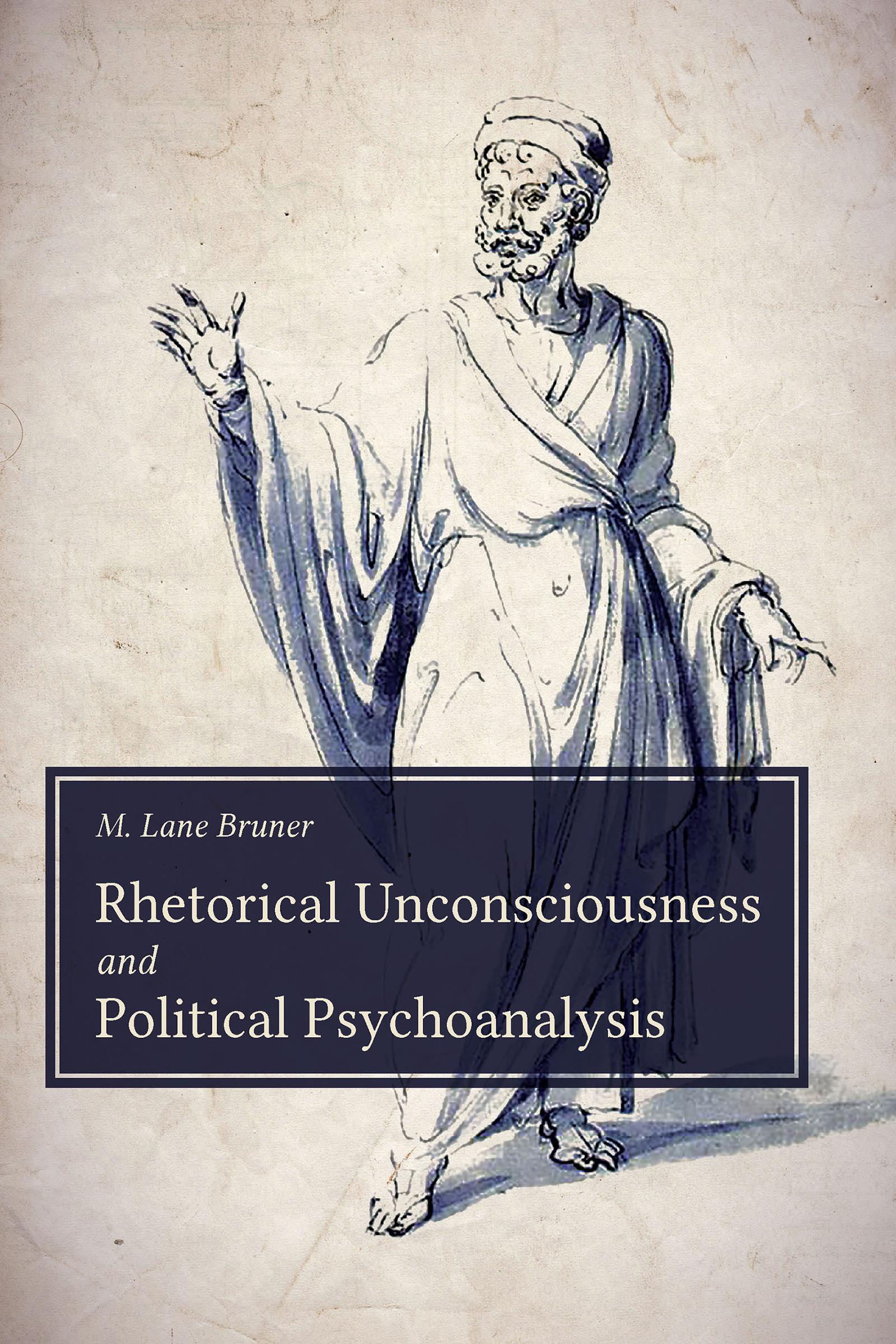
Case studies exploring the roots of persuasion and rhetorical unconsciousness
Rhetorical Unconsciousness and Political Psychoanalysis investigates unintentional forms of persuasion, their political consequences, and our ethical relation to the same. M. Lane Bruner argues that the unintentional ways we are persuaded are far more important than intentional persuasion; in fact all intentional persuasion is built on the foundations of rhetorical unconsciousness, whether we are persuaded through ignorance (the unsayable), unconscious symbolic processes (the unspoken), or productive repression (the unspeakable).
Bruner brings together a wide range of theoretical approaches to unintentional persuasion, establishing the locations of such persuasion and providing examples taken from the Western European transition from feudalism to capitalism. To be more specific, phenomena related to artificial personhood and the commodity self have led to transformations in material culture from architecture to theater, showing how rhetorical unconsciousness works to create symptoms. Bruner then examines ethical considerations, the relationships among language in use, unconsciousness, and the seemingly irrational aspects of cultural and political history.
Payez facilement par carte, Klarna, Apple Pay ou Google Pay. Pas satisfait ? Vous avez toujours une garantie de remboursement de 14 jours. En savoir plus dans nos conditions. Si vous avez des questions, envoyez-nous un e-mail à hello@memmo.org.
Memmo facilite tes études, où que tu sois dans le monde. On rassemble tes manuels de cours et des outils d'étude intelligents au même endroit : résumés, quiz, podcasts et flashcards. Et il y a Ted, ton compagnon d'étude qui répond à toutes tes questions. Plus de 50 000 étudiants étudient déjà ici – conçu pour t'aider à apprendre plus vite et à moins stresser.