
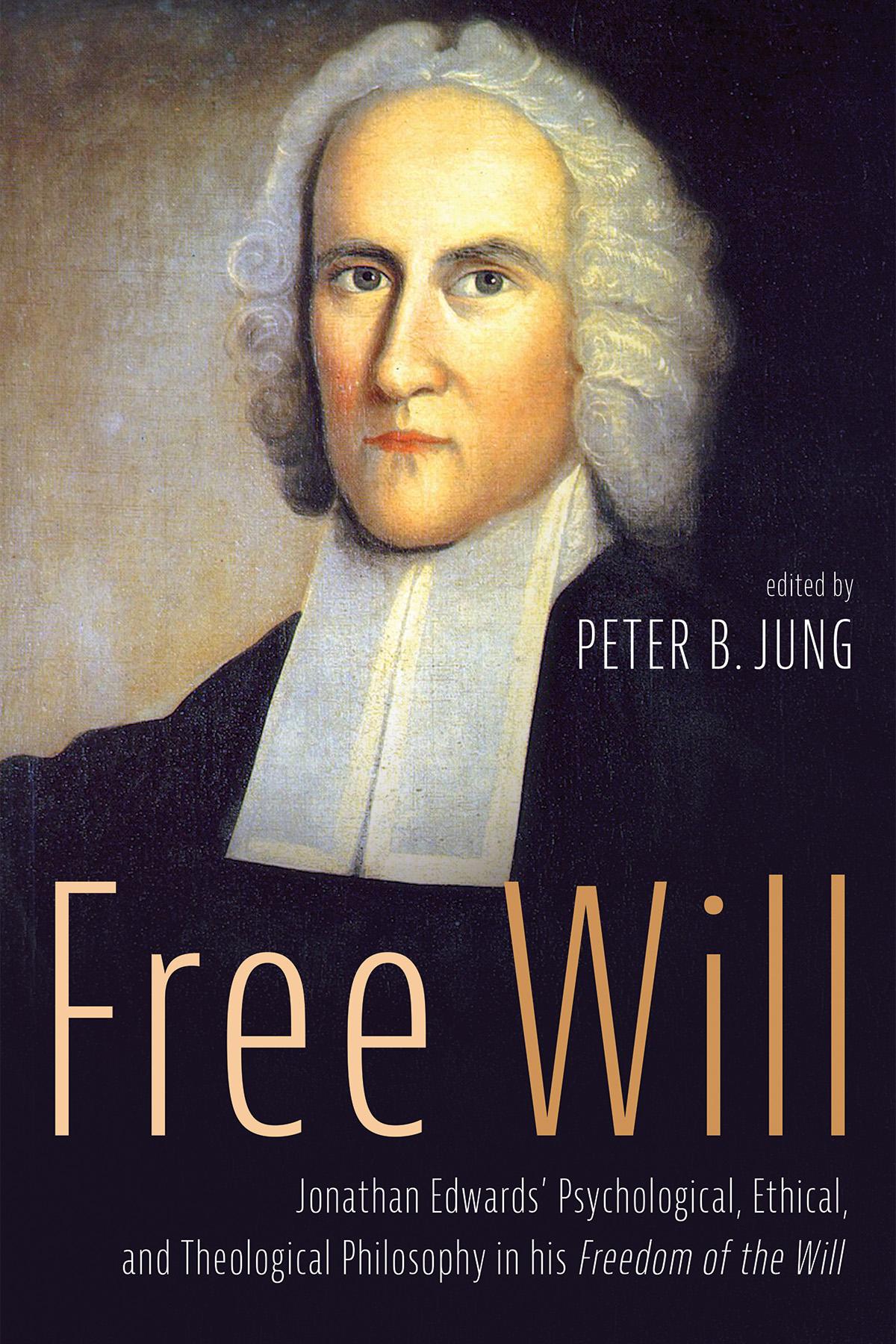
Free Will, also known as Freedom of the Will, is appraised as the one of the greatest works ever produced in America. The mid-eighteenth-century New England philosophical theologian Jonathan Edwards (1703-58) defines the will by importing terms from John Locke. Edwards states the Arminian nature of free will, suspects the need for such free will, and finally defends Calvinist free will and objects to the Arminian one.
In his argument, he chooses three British antagonists: Daniel Whitby, Thomas Chubb, and Isaac Watts. These antagonists insist that the self-determining will is necessary for us to be morally accountable. Edwards disputes their objections that God's determination is contradictory to the liberty of the human will. He then goes to argue what kind of freedom of the will is necessary for the former and latter to be compatible. Edwards's psychological, moral, and theological philosophy is displayed. In addition, readers can learn how our will chooses something pleasant by following the dictate of understanding, while the author demonstrates the natures of New England Arminianism and Calvinism.
Payez facilement par carte, Klarna, Apple Pay ou Google Pay. Pas satisfait ? Vous avez toujours une garantie de remboursement de 14 jours. En savoir plus dans nos conditions. Si vous avez des questions, envoyez-nous un e-mail à hello@memmo.org.
Memmo facilite tes études, où que tu sois dans le monde. On rassemble tes manuels de cours et des outils d'étude intelligents au même endroit : résumés, quiz, podcasts et flashcards. Et il y a Ted, ton compagnon d'étude qui répond à toutes tes questions. Plus de 50 000 étudiants étudient déjà ici – conçu pour t'aider à apprendre plus vite et à moins stresser.
Tu pourrais aussi aimer
Acheter le livre0