
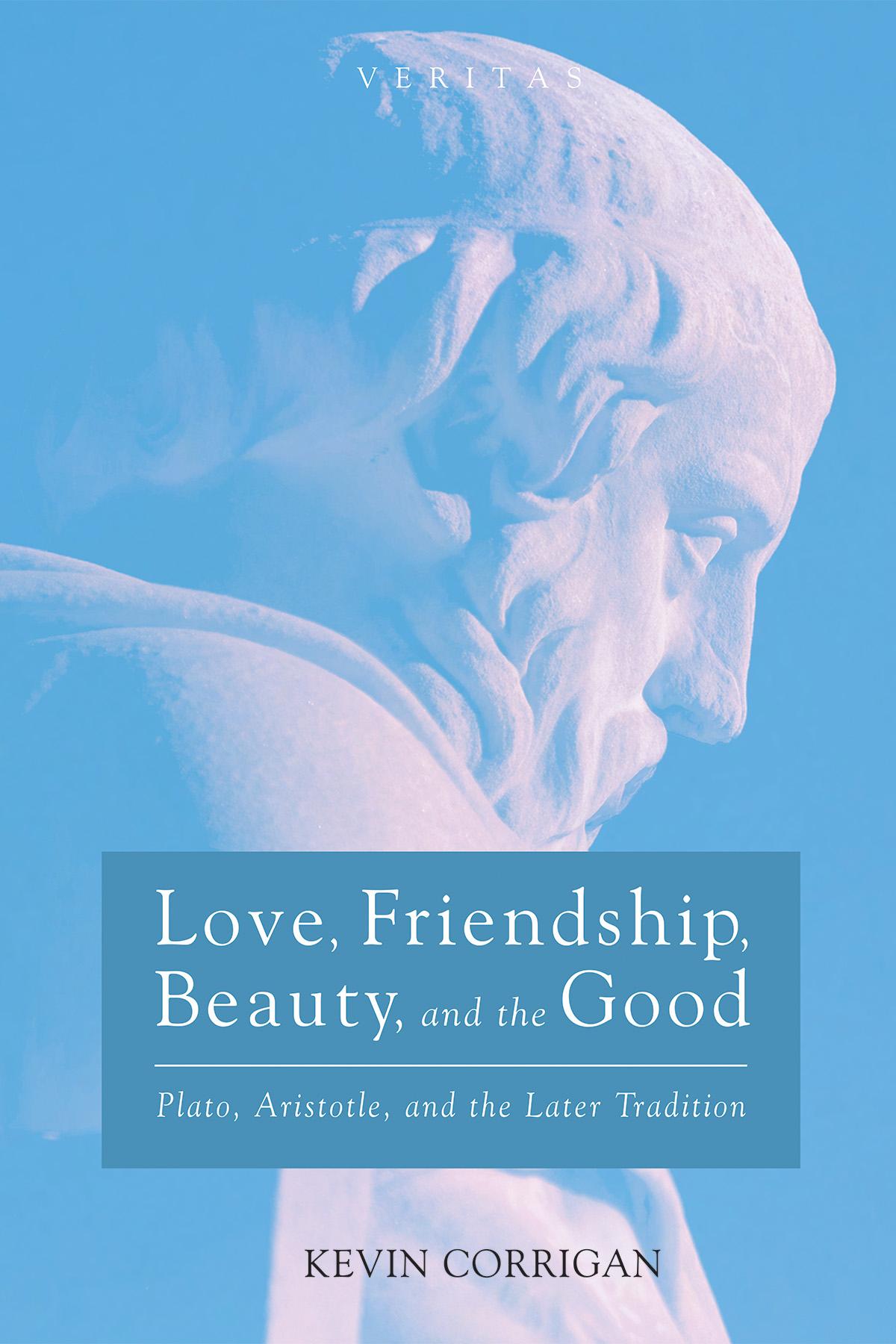
This book tells a compelling story about love, friendship, and the Divine that took over a thousand years to unfold. It argues that mind and feeling are intrinsically connected in the thought of Plato, Aristotle, and Plotinus; that Aristotle developed his theology and physics primarily from Plato's Symposium (from the "Greater" and "Lesser Mysteries" of Diotima-Socrates' speech); and that the Beautiful and the Good are not coincident classes, but irreducible Forms, and the loving ascent of the Symposium must be interpreted in the light of the Republic, as the later tradition up to Ficino saw. Against the view that Platonism is an escape from the ambiguities of ordinary experience or opposed to loving individuals for their own sakes, this book argues that Plato dramatizes the ambiguities of ordinary experience, confronts the possibility of failure, and bequeaths erotic models for the loving of individuals to later thought. Finally, it examines the Platonic-Aristotelian heritage on the Divine to discover whether God can love us back, and situates the dramatic development of this legacy in Plotinus, Iamblichus, Proclus, and Dionysius the Areopagite.
Payez facilement par carte, Klarna, Apple Pay ou Google Pay. Pas satisfait ? Vous avez toujours une garantie de remboursement de 14 jours. En savoir plus dans nos conditions. Si vous avez des questions, envoyez-nous un e-mail à hello@memmo.org.
Memmo facilite tes études, où que tu sois dans le monde. On rassemble tes manuels de cours et des outils d'étude intelligents au même endroit : résumés, quiz, podcasts et flashcards. Et il y a Ted, ton compagnon d'étude qui répond à toutes tes questions. Plus de 50 000 étudiants étudient déjà ici – conçu pour t'aider à apprendre plus vite et à moins stresser.
Tu pourrais aussi aimer
Acheter le livre0