
The EU has slowly but surely developed a solid body of equality law that prohibits different facets of discrimination. While the Union had initially developed anti-discrimination norms that served only the commercial rationale of the common market, focusing on nationality (of a Member State) and gender as protected grounds, the Treaty of Amsterdam (1997) supplied five additional prohibited grounds of discrimination to the EU legislative palette, in line with a much broader egalitarian rationale. In 2000, two EU Equality Directives followed, one focusing on race and ethnic origin, the other covering the remaining four grounds introduced by the Treaty of Amsterdam, namely religion, sexual orientation, disabilities and age.
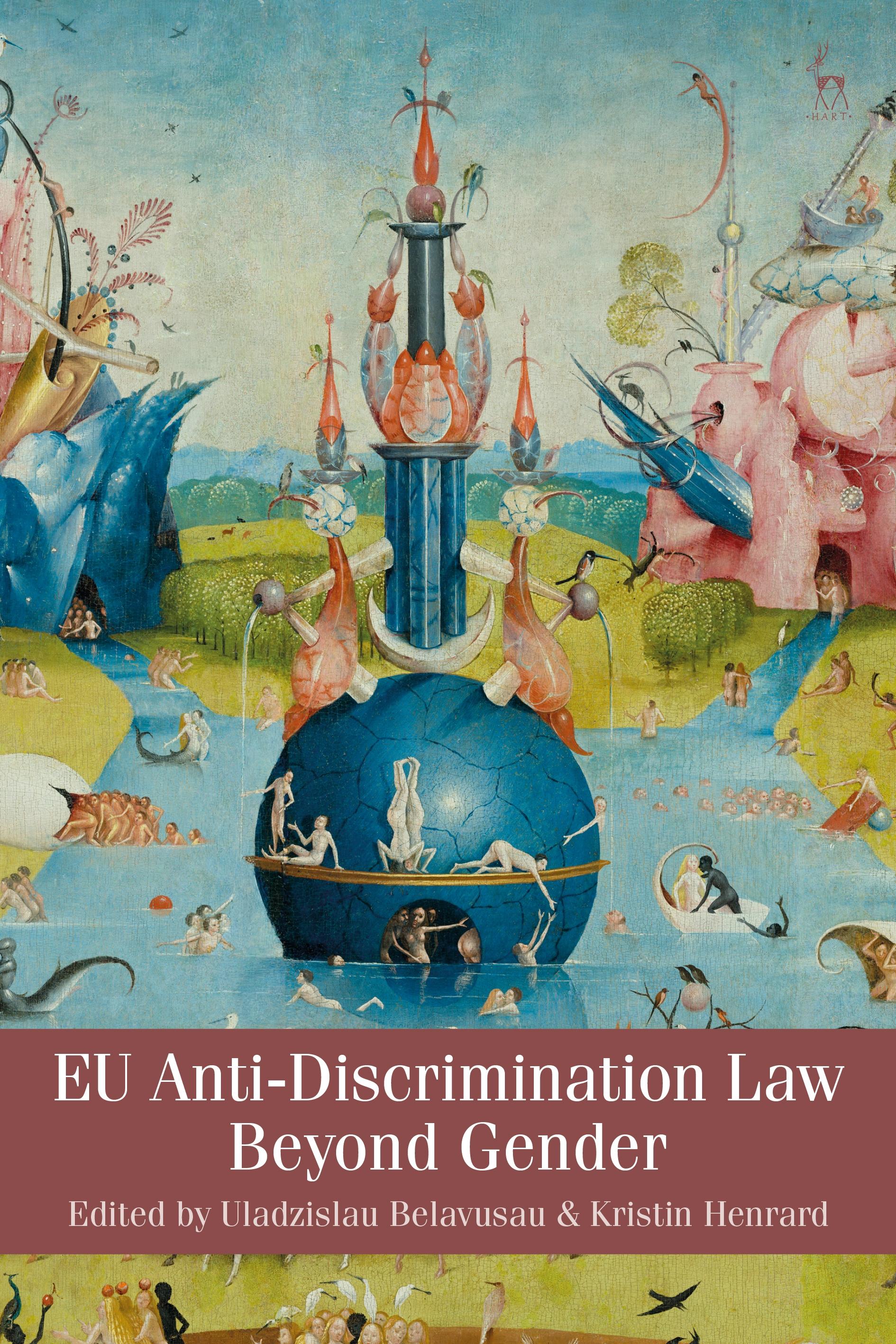
Eighteen years after the adoption of the watershed Equality Directives, it seems timely to dedicate a book to their limits and prospects, to look at the progress made, and to revisit the rise of EU anti-discrimination law beyond gender. This volume sets out to capture the striking developments and shortcomings that have taken place in the interpretation of relevant EU secondary law. Firstly, the book unfolds an up-to-date systematic reappraisal of the five 'newer' grounds of discrimination, which have so far received mostly fragmented coverage. Secondly, and more generally, the volume captures how and to what extent the Equality Directives have enabled or, at times, prevented the Court of Justice of the European Union from developing even broader and more refined anti-discrimination jurisprudence. Thus, the book offers a glimpse into the past, present and – it is hoped – future of EU anti-discrimination law as, despite all the flaws in the Union's 'Garden of Earthly Delights', it offers one of the highest standards of protection in comparative anti-discrimination law.
Eighteen years after the adoption of the watershed Equality Directives, it seems timely to dedicate a book to their limits and prospects, to look at the progress made, and to revisit the rise of EU anti-discrimination law beyond gender. This volume sets out to capture the striking developments and shortcomings that have taken place in the interpretation of relevant EU secondary law. Firstly, the book unfolds an up-to-date systematic reappraisal of the five 'newer' grounds of discrimination, which have so far received mostly fragmented coverage. Secondly, and more generally, the volume captures how and to what extent the Equality Directives have enabled or, at times, prevented the Court of Justice of the European Union from developing even broader and more refined anti-discrimination jurisprudence. Thus, the book offers a glimpse into the past, present and – it is hoped – future of EU anti-discrimination law as, despite all the flaws in the Union's 'Garden of Earthly Delights', it offers one of the highest standards of protection in comparative anti-discrimination law.
Payez facilement par carte, Klarna, Apple Pay ou Google Pay. Pas satisfait ? Vous avez toujours une garantie de remboursement de 14 jours. En savoir plus dans nos conditions. Si vous avez des questions, envoyez-nous un e-mail à hello@memmo.org.
Memmo facilite tes études, où que tu sois dans le monde. On rassemble tes manuels de cours et des outils d'étude intelligents au même endroit : résumés, quiz, podcasts et flashcards. Et il y a Ted, ton compagnon d'étude qui répond à toutes tes questions. Plus de 50 000 étudiants étudient déjà ici – conçu pour t'aider à apprendre plus vite et à moins stresser.