
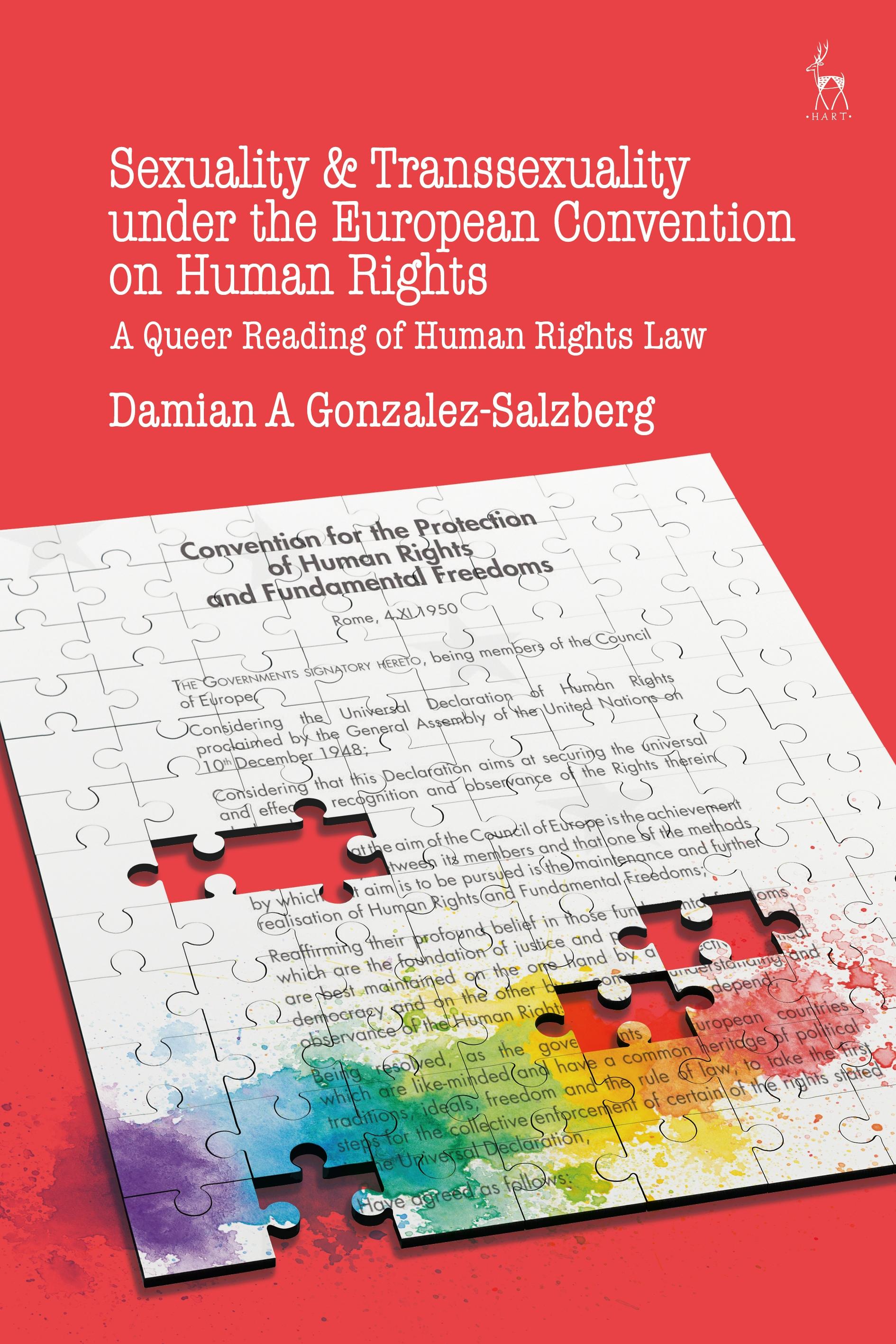
This book undertakes a critical analysis of international human rights law through the lens of queer theory. It pursues two main aims: first, to make use of queer theory to illustrate that the field of human rights law is underpinned by several assumptions that determine a conception of the subject that is gendered and sexual in specific ways. This gives rise to multiple legal and social consequences, some of which challenge the very idea of universality of human rights. Second, the book proposes that human rights law can actually benefit from a better understanding of queer critiques, since queer insights can help it to overcome heteronormative beliefs currently held. In order to achieve these main aims, the book focuses on the case law of the European Court of Human Rights, the leading legal authority in the field of international human rights law. The use of queer theory as the theoretical approach for these tasks serves to deconstruct several aspects of the Court's jurisprudence dealing with gender, sexuality, and kinship, to later suggest potential paths to reconstruct such features in a queer(er) and more universal manner.
Payez facilement par carte, Klarna, Apple Pay ou Google Pay. Pas satisfait ? Vous avez toujours une garantie de remboursement de 14 jours. En savoir plus dans nos conditions. Si vous avez des questions, envoyez-nous un e-mail à hello@memmo.org.
Memmo facilite tes études, où que tu sois dans le monde. On rassemble tes manuels de cours et des outils d'étude intelligents au même endroit : résumés, quiz, podcasts et flashcards. Et il y a Ted, ton compagnon d'étude qui répond à toutes tes questions. Plus de 50 000 étudiants étudient déjà ici – conçu pour t'aider à apprendre plus vite et à moins stresser.