
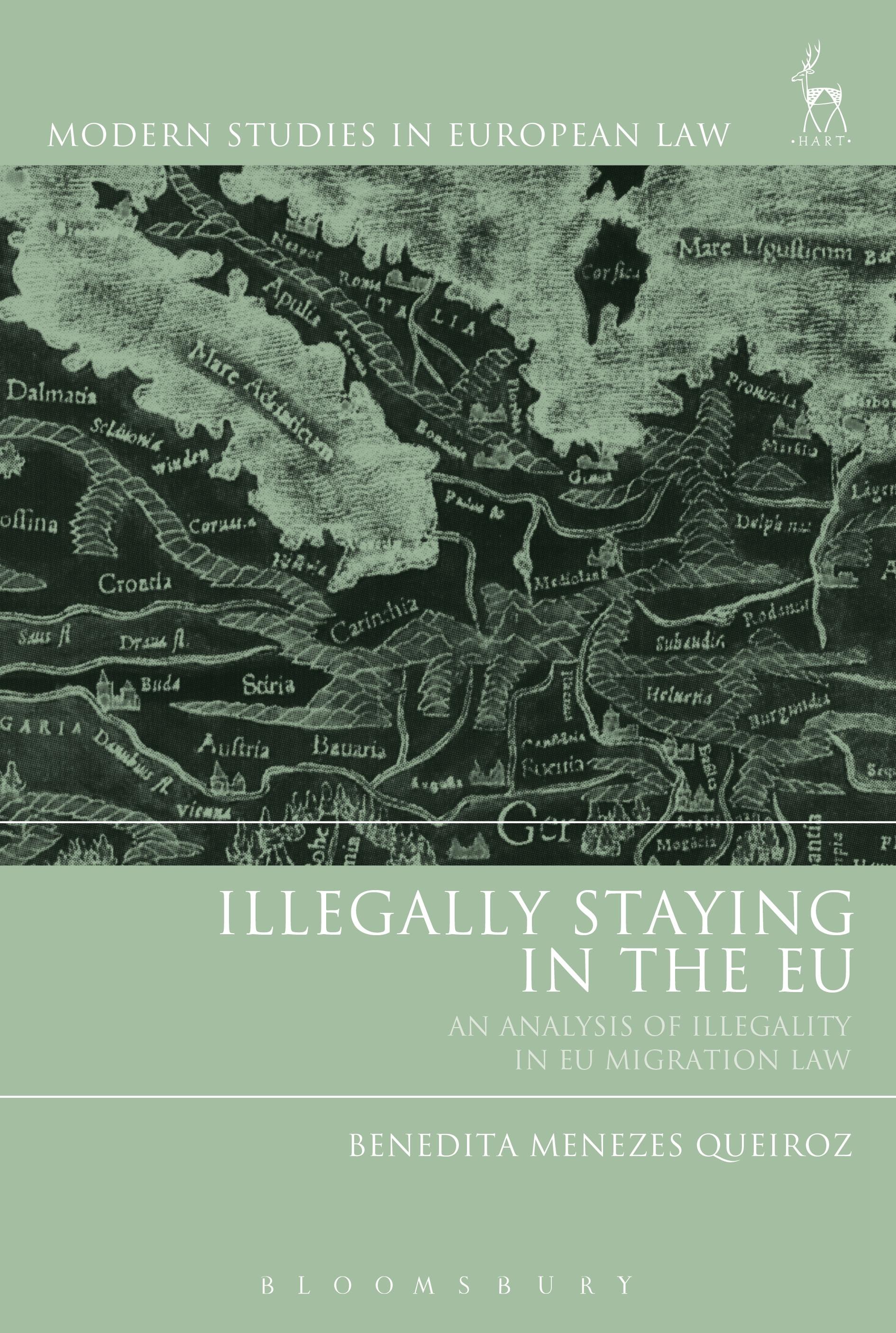
Principally, this book comprises a conceptual analysis of the illegality of a third-country national's stay by examining the boundaries of the overarching concept of illegality at the EU level. Having found that the holistic conceptualisation of illegality, constructed through a combination of sources (both EU and national law) falls short of adequacy, the book moves on to consider situations that fall outside the traditional binary of legal and illegal under EU law. The cases of unlawfully staying EU citizens and of non-removable illegally staying third-country nationals are examples of groups of migrants who are categorised as atypical. By looking at these two examples the book reveals not only the fragmentation of legal statuses in EU migration law but also the more general ill-fitting and unsatisfactory categorisation of migrants.
The potential conflation of illegality with criminality as a result of the way EU databases regulate the legal regime of illegality of a migrant's stay is the first trend identified by the book. Subsequently, the book considers the functions of accessing legality (both instrumental and corrective). In doing so it draws out another trend evident in the EU illegality regime: a two-tier regime which discriminates on the basis of wealth and the instrumentalisation of access to legality by Member States for mostly their own purposes.
Finally, the book proposes a corrective rationale for the regulation of illegality through access to legality and provides a number of normative suggestions as a way of remedying current deficiencies that arise out of the present supranational framing of illegality.
The potential conflation of illegality with criminality as a result of the way EU databases regulate the legal regime of illegality of a migrant's stay is the first trend identified by the book. Subsequently, the book considers the functions of accessing legality (both instrumental and corrective). In doing so it draws out another trend evident in the EU illegality regime: a two-tier regime which discriminates on the basis of wealth and the instrumentalisation of access to legality by Member States for mostly their own purposes.
Finally, the book proposes a corrective rationale for the regulation of illegality through access to legality and provides a number of normative suggestions as a way of remedying current deficiencies that arise out of the present supranational framing of illegality.
Payez facilement par carte, Klarna, Apple Pay ou Google Pay. Pas satisfait ? Vous avez toujours une garantie de remboursement de 14 jours. En savoir plus dans nos conditions. Si vous avez des questions, envoyez-nous un e-mail à hello@memmo.org.
Memmo facilite tes études, où que tu sois dans le monde. On rassemble tes manuels de cours et des outils d'étude intelligents au même endroit : résumés, quiz, podcasts et flashcards. Et il y a Ted, ton compagnon d'étude qui répond à toutes tes questions. Plus de 50 000 étudiants étudient déjà ici – conçu pour t'aider à apprendre plus vite et à moins stresser.