
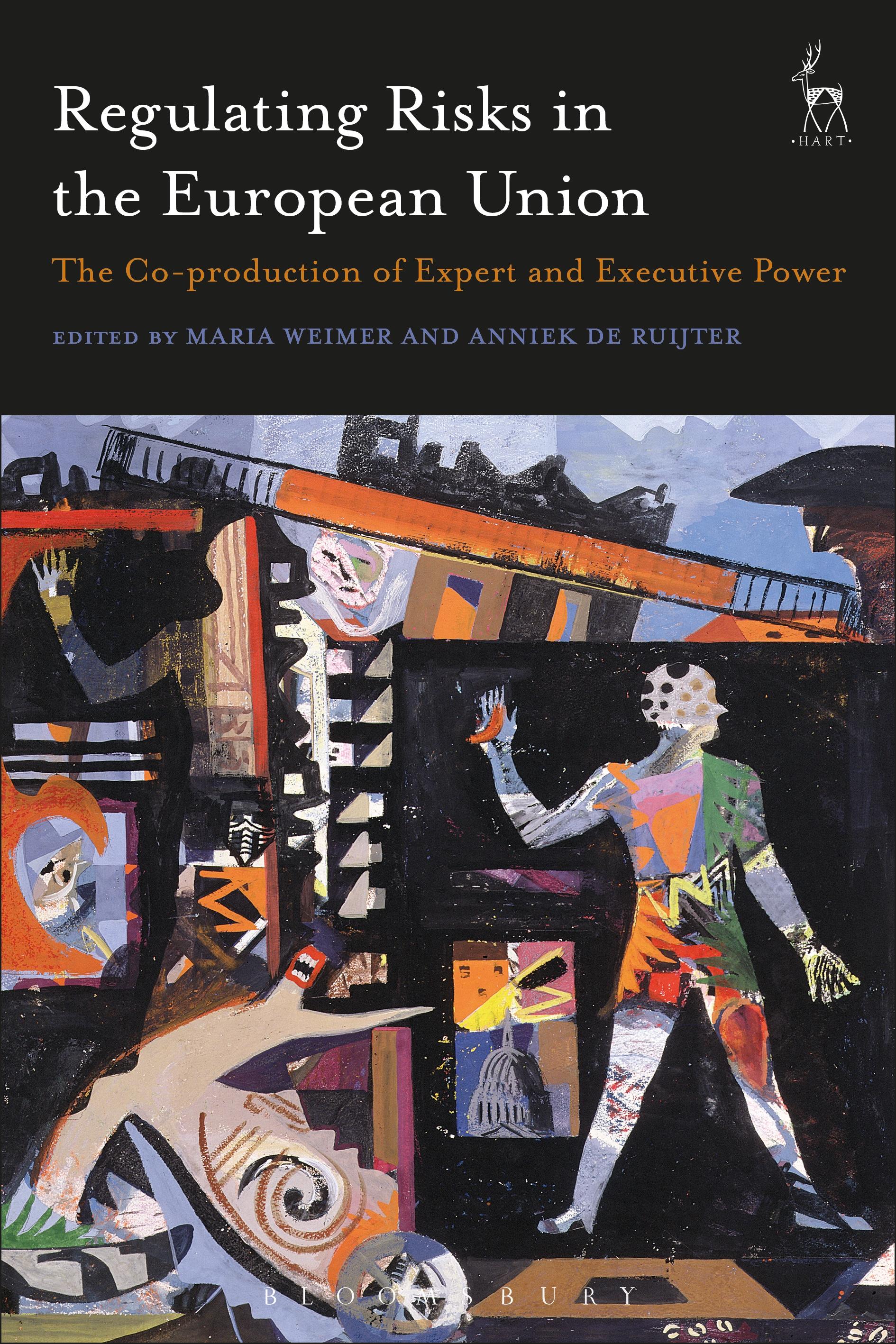
A growing body of EU law and regulation is preoccupied with the protection of EU citizens from health and environmental risks. Which chemicals are safe and should be allowed on the market? How should the EU respond to public health emergencies, such as Ebola and other infectious diseases? Regulatory responses to these questions confront deep uncertainty, limited knowledge and societal contestation. In a time where the use of scientific expertise in EU policy-making is particularly contested, this book offers a timely contribution to both the academic and policy debate on the role of specialised expertise in EU public decision-making on risk and technology as well as on its intertwinement with executive power. It draws on insights from law, governance, political sciences, and science and technology studies, bringing together leading scholars in this field. Contributions are drawn together by a shared theoretical perspective, namely by their use of co-production as an analytical lens to study the intricate interplay between techno-scientific expertise and EU executive power. By so doing, this collection produces highly original insights into the development of the EU administrative state, as well as into the role of regulatory science in its construction. This book will be useful to scholars, practitioners, and policy-makers working on risk regulation and the role of expertise in public decision-making.
Payez facilement par carte, Klarna, Apple Pay ou Google Pay. Pas satisfait ? Vous avez toujours une garantie de remboursement de 14 jours. En savoir plus dans nos conditions. Si vous avez des questions, envoyez-nous un e-mail à hello@memmo.org.
Memmo facilite tes études, où que tu sois dans le monde. On rassemble tes manuels de cours et des outils d'étude intelligents au même endroit : résumés, quiz, podcasts et flashcards. Et il y a Ted, ton compagnon d'étude qui répond à toutes tes questions. Plus de 50 000 étudiants étudient déjà ici – conçu pour t'aider à apprendre plus vite et à moins stresser.