
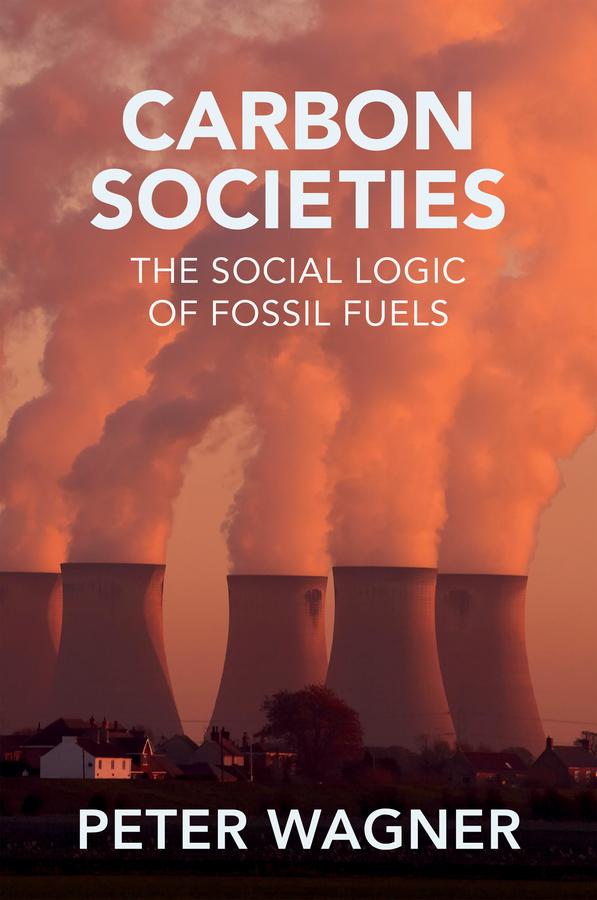
The climate crisis is humanmade. Its main cause is the burning of fossil fuels. To combat climate change, we have to understand how we arrived at where we are. This book explores the reasons why human societies have embarked on the trajectory of ever-increasing use of fossil fuels.
Population growth, desire for freedom from want and profit-seeking all played major roles in shaping human history, but there has been no inevitable drive towards heating up the atmosphere in the pursuit of social objectives. To sustain a growing population, more natural resources are required, but their use does not need to generate climate change. No logic of modernity links freedom with a kind of material abundance that requires the burning of fossil fuels. No logic of capital necessarily ties the search for profit to the extraction of fossil resources.
Examining the critical junctures in human history when resource regimes changed, this book identifies the social problems that were meant to be solved by burning fossil fuels and the power hierarchies that shaped the decisions to use them. Wagner argues that the key choices that led to the climate emergency were made relatively recently, during the second half of the 20th century: they are close enough in time for us to undo the prevailing social logic of fossil fuels. By redefining the key problems that humankind is facing and reshaping the existing mechanisms of power, we can take the decisive action needed to reduce our dependence on fossil fuels and avert the worst consequences of climate change.
Population growth, desire for freedom from want and profit-seeking all played major roles in shaping human history, but there has been no inevitable drive towards heating up the atmosphere in the pursuit of social objectives. To sustain a growing population, more natural resources are required, but their use does not need to generate climate change. No logic of modernity links freedom with a kind of material abundance that requires the burning of fossil fuels. No logic of capital necessarily ties the search for profit to the extraction of fossil resources.
Examining the critical junctures in human history when resource regimes changed, this book identifies the social problems that were meant to be solved by burning fossil fuels and the power hierarchies that shaped the decisions to use them. Wagner argues that the key choices that led to the climate emergency were made relatively recently, during the second half of the 20th century: they are close enough in time for us to undo the prevailing social logic of fossil fuels. By redefining the key problems that humankind is facing and reshaping the existing mechanisms of power, we can take the decisive action needed to reduce our dependence on fossil fuels and avert the worst consequences of climate change.
Payez facilement par carte, Klarna, Apple Pay ou Google Pay. Pas satisfait ? Vous avez toujours une garantie de remboursement de 14 jours. En savoir plus dans nos conditions. Si vous avez des questions, envoyez-nous un e-mail à hello@memmo.org.
Memmo facilite tes études, où que tu sois dans le monde. On rassemble tes manuels de cours et des outils d'étude intelligents au même endroit : résumés, quiz, podcasts et flashcards. Et il y a Ted, ton compagnon d'étude qui répond à toutes tes questions. Plus de 50 000 étudiants étudient déjà ici – conçu pour t'aider à apprendre plus vite et à moins stresser.
Tu pourrais aussi aimer
Acheter le livre0