
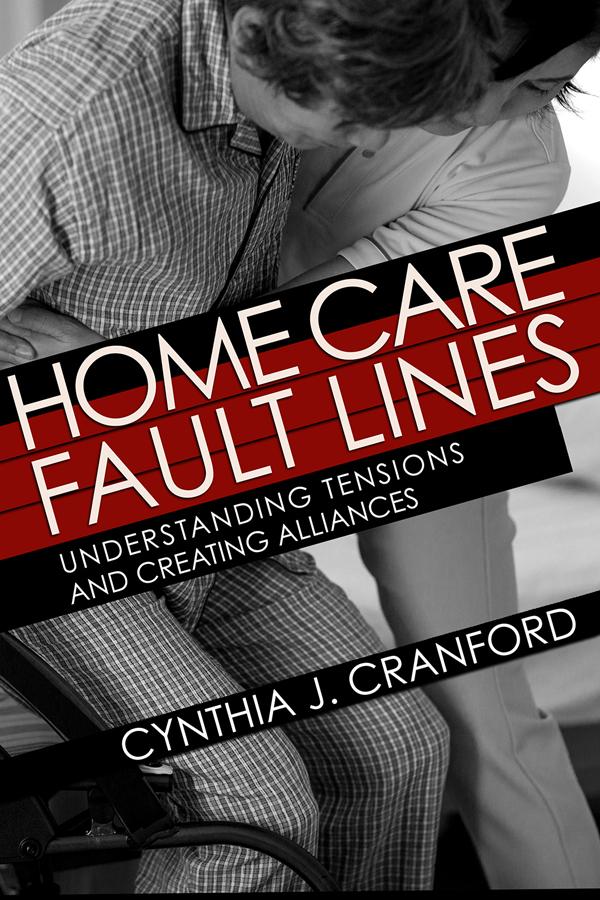
In this revealing look at home care, Cynthia J. Cranford illustrates how elderly and disabled people and the immigrant women workers who assist them in daily activities develop meaningful relationships even when their different ages, abilities, races, nationalities, and socioeconomic backgrounds generate tension. As Cranford shows, workers can experience devaluation within racialized and gendered class hierarchies, which shapes their pursuit of security.
Cranford analyzes the tensions, alliances, and compromises between security for workers and flexibility for elderly and disabled people, and she argues that workers and recipients negotiate flexibility and security within intersecting inequalities in varying ways depending on multiple interacting dynamics.
What comes through from Cranford's analysis is the need for deeply democratic alliances across multiple axes of inequality. To support both flexible care and secure work, she argues for an intimate community unionism that advocates for universal state funding, designs culturally sensitive labor market intermediaries run by workers and recipients to help people find jobs or workers, and addresses everyday tensions in home workplaces.
Payez facilement par carte, Klarna, Apple Pay ou Google Pay. Pas satisfait ? Vous avez toujours une garantie de remboursement de 14 jours. En savoir plus dans nos conditions. Si vous avez des questions, envoyez-nous un e-mail à hello@memmo.org.
Memmo facilite tes études, où que tu sois dans le monde. On rassemble tes manuels de cours et des outils d'étude intelligents au même endroit : résumés, quiz, podcasts et flashcards. Et il y a Ted, ton compagnon d'étude qui répond à toutes tes questions. Plus de 50 000 étudiants étudient déjà ici – conçu pour t'aider à apprendre plus vite et à moins stresser.