
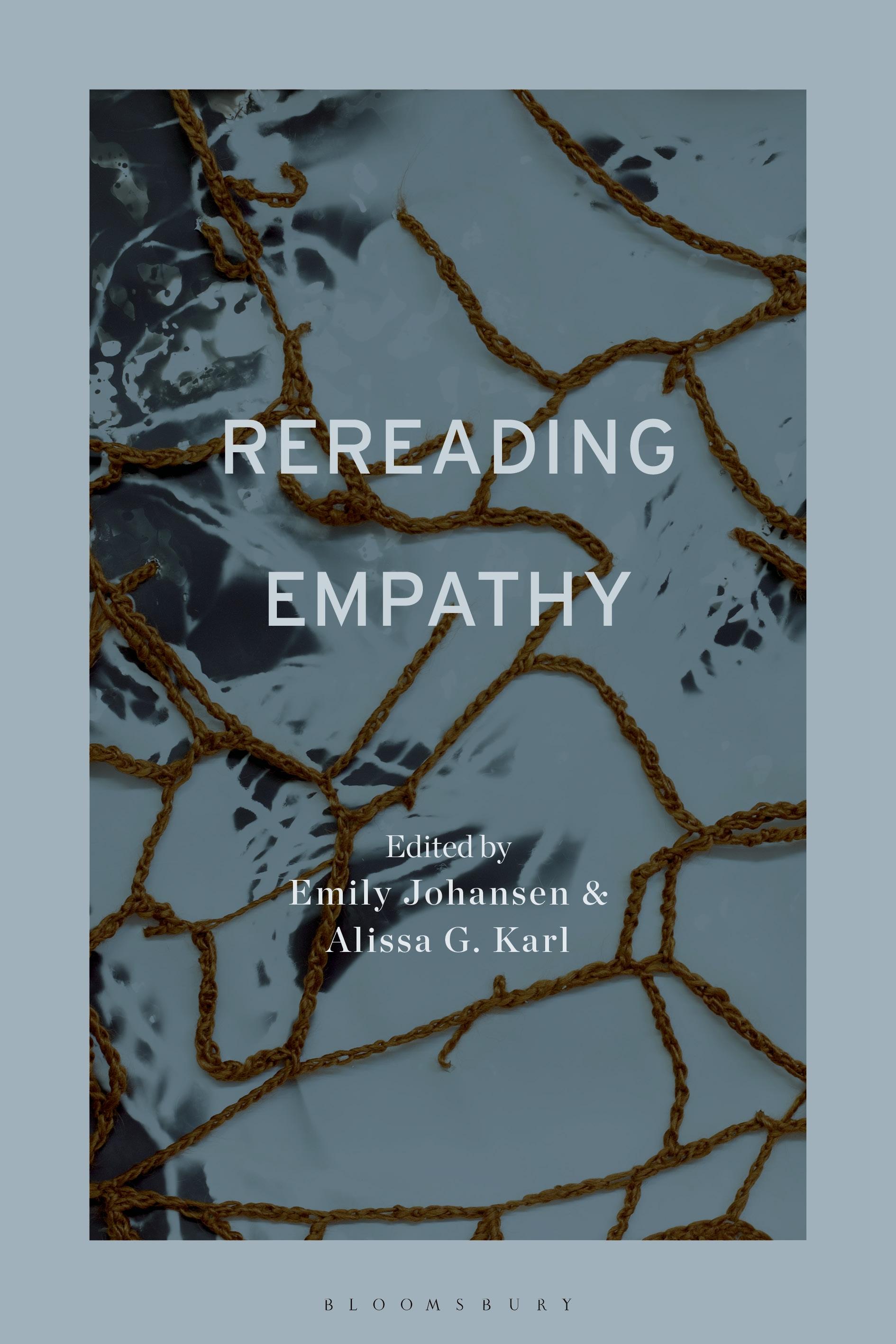
Over the last few decades and from across a spectrum of centrist political thought, a variety of academic disciplines, and numerous public intellectuals, the claim has been that we need to empathize more with marginalized people as a way to alleviate social inequalities. If we all had more skill with empathy, so the claim goes, we would all be better citizens. But what does it mean to empathize with others? How do we develop this skill? And what does it offer that older models of solidarity don't? Why empathy-and why now?
Rereading Empathy takes up these questions, examining the uses to which calls for empathy are put in the face of ever expanding economic and social precarity. The contributors draw on a variety of historical and contemporary literary and cultural archives to illustrate the work that empathy is supposed to enable-and to query alternative models of building collective futures.
Rereading Empathy takes up these questions, examining the uses to which calls for empathy are put in the face of ever expanding economic and social precarity. The contributors draw on a variety of historical and contemporary literary and cultural archives to illustrate the work that empathy is supposed to enable-and to query alternative models of building collective futures.
Payez facilement par carte, Klarna, Apple Pay ou Google Pay. Pas satisfait ? Vous avez toujours une garantie de remboursement de 14 jours. En savoir plus dans nos conditions. Si vous avez des questions, envoyez-nous un e-mail à hello@memmo.org.
Memmo facilite tes études, où que tu sois dans le monde. On rassemble tes manuels de cours et des outils d'étude intelligents au même endroit : résumés, quiz, podcasts et flashcards. Et il y a Ted, ton compagnon d'étude qui répond à toutes tes questions. Plus de 50 000 étudiants étudient déjà ici – conçu pour t'aider à apprendre plus vite et à moins stresser.