
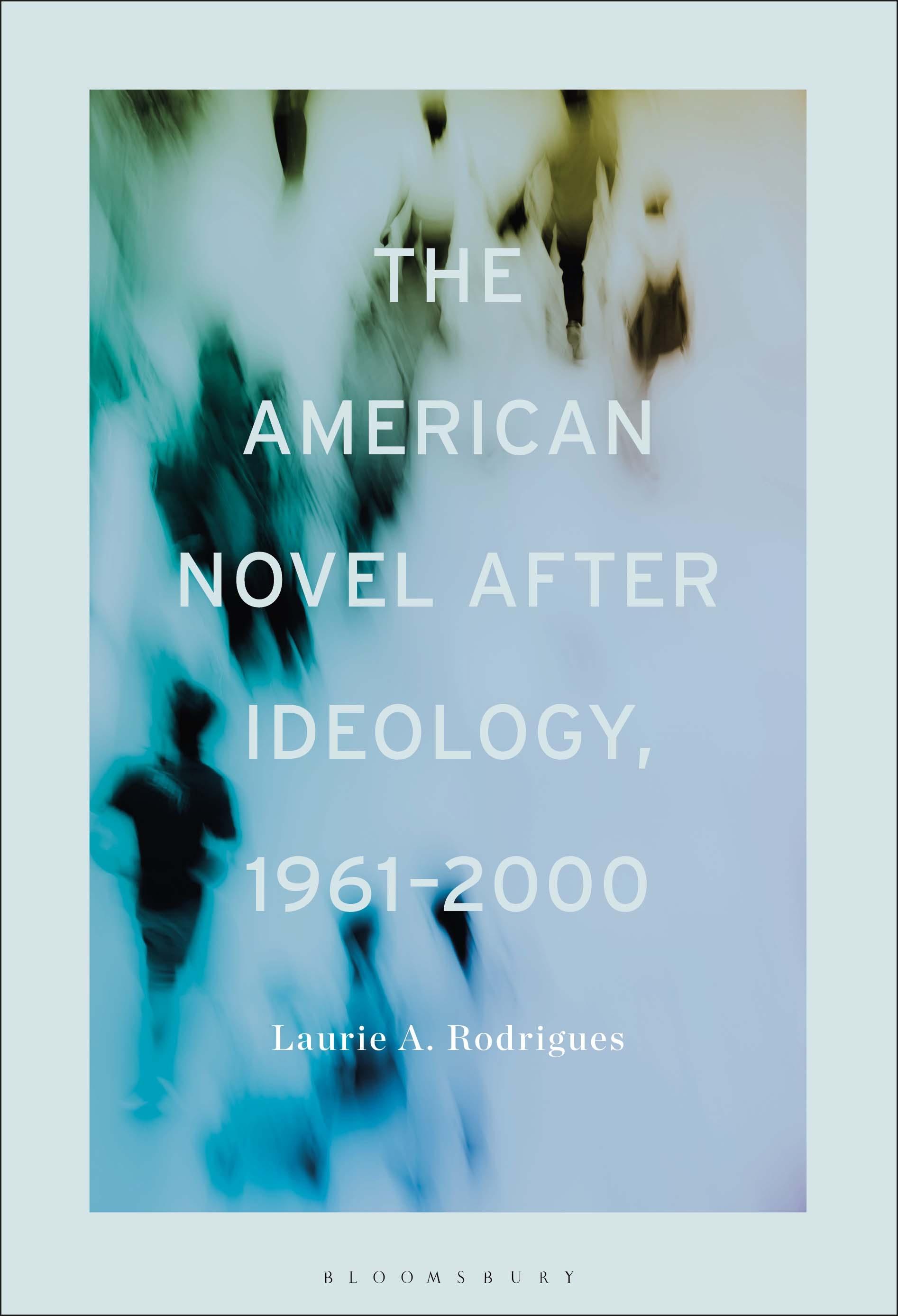
Claims of ideology's end are, on the one hand, performative denials of ideology's inability to end; while, on the other hand, paradoxically, they also reiterate an idea that 'ending' is simply what all ideologies eventually do. Situating her work around the intersecting publications of Daniel Bell's The End of Ideology (1960) and J.D. Salinger's Franny and Zooey (1961), Laurie Rodrigues argues that American novels express this paradox through nuanced applications of non-realist strategies, distorting realism in manners similar to ideology's distortions of reality, history, and belief.
Reflecting the astonishing cultural variety of this period, The American Novel After Ideology, 1961 - 2000 examines Franny and Zooey, Carlene Hatcher Polite's The Flagellants (1967), Leslie Marmon Silko's Almanac of the Dead (1991), and Philip Roth's The Human Stain (2001) alongside the various discussions around ideology with which they intersect. Each novel's plotless narratives, dissolving subjectivities, and cultural codes organize the texts' peculiar relations to the post-ideological age, suggesting an aesthetic return of the repressed.
Reflecting the astonishing cultural variety of this period, The American Novel After Ideology, 1961 - 2000 examines Franny and Zooey, Carlene Hatcher Polite's The Flagellants (1967), Leslie Marmon Silko's Almanac of the Dead (1991), and Philip Roth's The Human Stain (2001) alongside the various discussions around ideology with which they intersect. Each novel's plotless narratives, dissolving subjectivities, and cultural codes organize the texts' peculiar relations to the post-ideological age, suggesting an aesthetic return of the repressed.
Payez facilement par carte, Klarna, Apple Pay ou Google Pay. Pas satisfait ? Vous avez toujours une garantie de remboursement de 14 jours. En savoir plus dans nos conditions. Si vous avez des questions, envoyez-nous un e-mail à hello@memmo.org.
Memmo facilite tes études, où que tu sois dans le monde. On rassemble tes manuels de cours et des outils d'étude intelligents au même endroit : résumés, quiz, podcasts et flashcards. Et il y a Ted, ton compagnon d'étude qui répond à toutes tes questions. Plus de 50 000 étudiants étudient déjà ici – conçu pour t'aider à apprendre plus vite et à moins stresser.