
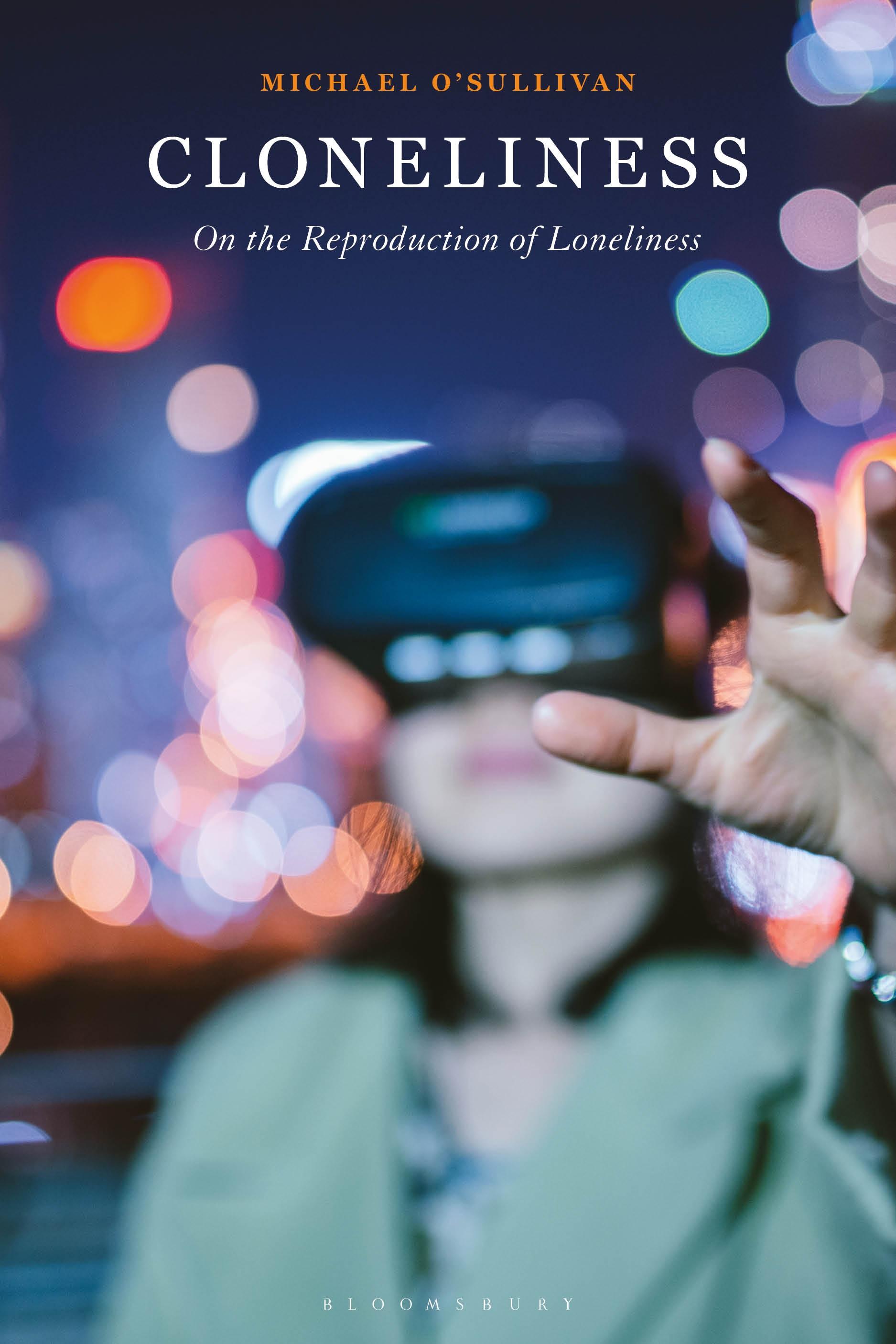
Recent posthuman philosophies, human-computer interface studies, and technology-inspired biopolitical discourses and practices are reinventing and reimagining loneliness in different communities.
Cloneliness: The Reproduction of Loneliness takes a cross-cultural approach to loneliness by examining 20th-century artistic expressions and examinations of loneliness in the context of more recent global expressions grounded in social networks, virtual reality, the biopolitical commons, academic credentialization and such practices as Hikikomori. Newer forms of loneliness, pushed by the algorithms of biopolitical capitalism, result in what this books calls "cloneliness." Michael O'Sullivan plots the transformation in loneliness in literature and philosophy in readings that take us from Henry James and such classic works as Frank O'Connor's The Lonely Voice and Richard Yates's Eleven Kinds of Loneliness to more recent expressions in such writers as David Foster Wallace, Yiyun Li, and Sayaka Murata.
Michael O'Sullivan argues that cloneliness as an institutional practice of reproduction in society nurtures, normalizes, and reproduces loneliness in order to create subjects who are more willing to accept ideologies of competition, “extreme individualism,” and the stresses of being "interconnected loners."
Cloneliness: The Reproduction of Loneliness takes a cross-cultural approach to loneliness by examining 20th-century artistic expressions and examinations of loneliness in the context of more recent global expressions grounded in social networks, virtual reality, the biopolitical commons, academic credentialization and such practices as Hikikomori. Newer forms of loneliness, pushed by the algorithms of biopolitical capitalism, result in what this books calls "cloneliness." Michael O'Sullivan plots the transformation in loneliness in literature and philosophy in readings that take us from Henry James and such classic works as Frank O'Connor's The Lonely Voice and Richard Yates's Eleven Kinds of Loneliness to more recent expressions in such writers as David Foster Wallace, Yiyun Li, and Sayaka Murata.
Michael O'Sullivan argues that cloneliness as an institutional practice of reproduction in society nurtures, normalizes, and reproduces loneliness in order to create subjects who are more willing to accept ideologies of competition, “extreme individualism,” and the stresses of being "interconnected loners."
Payez facilement par carte, Klarna, Apple Pay ou Google Pay. Pas satisfait ? Vous avez toujours une garantie de remboursement de 14 jours. En savoir plus dans nos conditions. Si vous avez des questions, envoyez-nous un e-mail à hello@memmo.org.
Memmo facilite tes études, où que tu sois dans le monde. On rassemble tes manuels de cours et des outils d'étude intelligents au même endroit : résumés, quiz, podcasts et flashcards. Et il y a Ted, ton compagnon d'étude qui répond à toutes tes questions. Plus de 50 000 étudiants étudient déjà ici – conçu pour t'aider à apprendre plus vite et à moins stresser.