
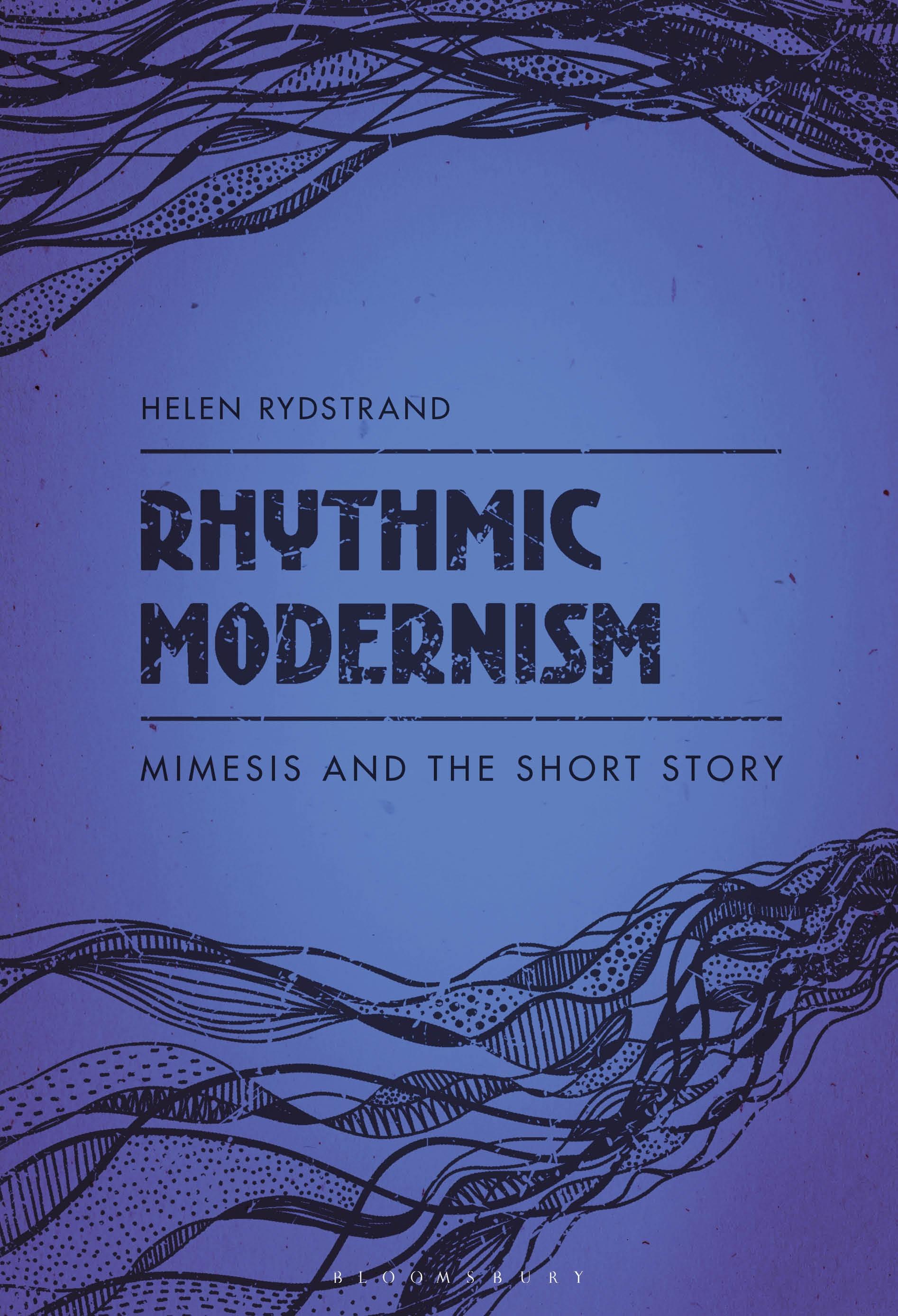
Contrary to the common view that cultural modernism is a broadly anti-mimetic movement, one which turned away from traditional artistic goals of representing the world, Rhythmic Modernism argues that rhythm and mimesis are central to modernist aesthetics. Through detailed close readings of non-fiction and short stories, Helen Rydstrand shows that textual rhythms comprised the substance of modernist mimesis. Rhythmic Modernism demonstrates how many modernist writers, such as D. H. Lawrence, Katherine Mansfield and Virginia Woolf, were profoundly invested in mimicking a substratum of existence that was conceived as rhythmic, each displaying a fascination with rhythm, both as a formal device and as a vital, protean concept that helped to make sense of the complex modern world.
Payez facilement par carte, Klarna, Apple Pay ou Google Pay. Pas satisfait ? Vous avez toujours une garantie de remboursement de 14 jours. En savoir plus dans nos conditions. Si vous avez des questions, envoyez-nous un e-mail à hello@memmo.org.
Memmo facilite tes études, où que tu sois dans le monde. On rassemble tes manuels de cours et des outils d'étude intelligents au même endroit : résumés, quiz, podcasts et flashcards. Et il y a Ted, ton compagnon d'étude qui répond à toutes tes questions. Plus de 50 000 étudiants étudient déjà ici – conçu pour t'aider à apprendre plus vite et à moins stresser.