
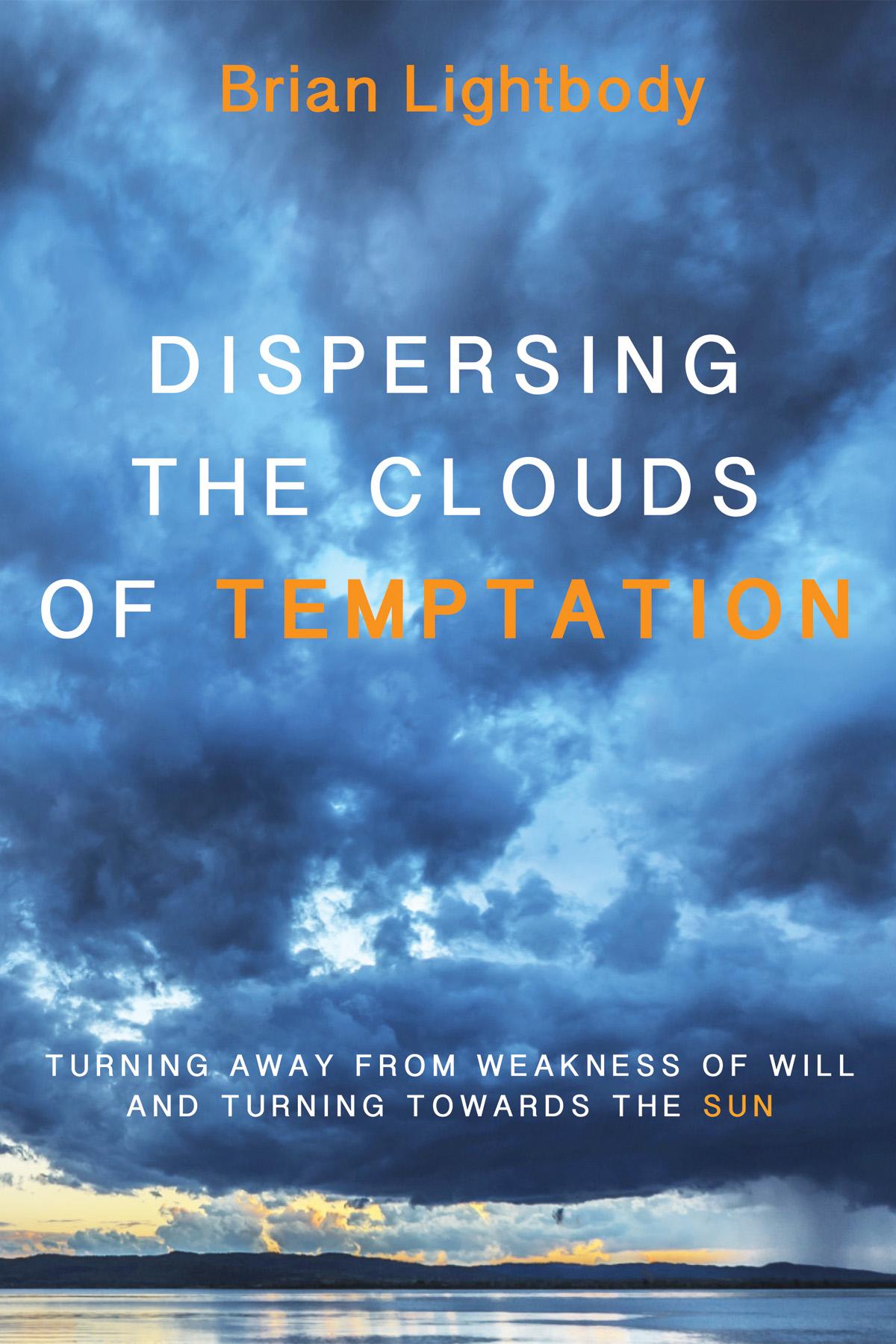
In Romans 7:14-25, Paul declares, "For I do not do the good I want, but the evil I do not want, is what I do" (KJV). St. Paul's statement is a universal truth for all human beings; humans--whether Christians, Jews, Muslims, Buddhists, Hindus, or atheists--are prone to committing free actions that are not "good." Furthermore, and irrespective of how we might construe the notion of "good" (whether as acting in accordance with some religious or spiritual precept or simply doing what is in one's best interest), we often knowingly and freely choose actions that may, or in fact do, harm us. There is a name given to such actions. We call them "weak-willed."
"Weakness of will," or akrasia, has perplexed philosophers, theologians, and laypersons alike for centuries. This book reveals why the idea has caused so much bafflement and consternation for so many. The main thrust of the work, however, is to illuminate and inspire: Lightbody seeks to demonstrate, concretely, how and why we are weak-willed. By extracting an "alchemical touchstone" from Plato's middle period philosophy, Lightbody, in addition, reveals how we may transmute harmful appetites into life-edifying passions.
Payez facilement par carte, Klarna, Apple Pay ou Google Pay. Pas satisfait ? Vous avez toujours une garantie de remboursement de 14 jours. En savoir plus dans nos conditions. Si vous avez des questions, envoyez-nous un e-mail à hello@memmo.org.
Memmo facilite tes études, où que tu sois dans le monde. On rassemble tes manuels de cours et des outils d'étude intelligents au même endroit : résumés, quiz, podcasts et flashcards. Et il y a Ted, ton compagnon d'étude qui répond à toutes tes questions. Plus de 50 000 étudiants étudient déjà ici – conçu pour t'aider à apprendre plus vite et à moins stresser.
Tu pourrais aussi aimer
Acheter le livre0