
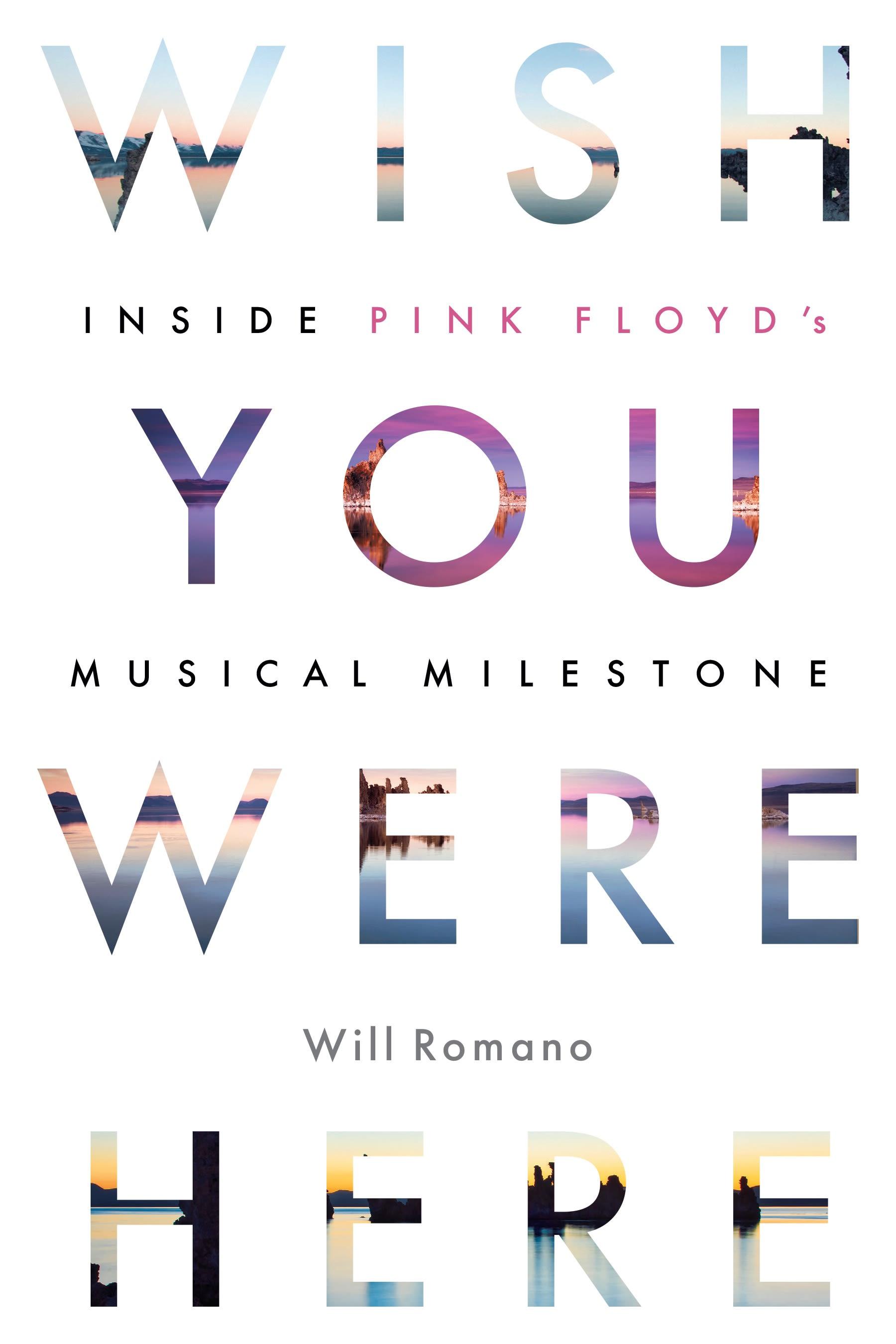
The mid-'70s were a time of reckoning. It was also an era of paradoxes, of record making and record breaking, of sold-out shows, and, in the minds of some, sell-out artists. Critics, who once exalted the shamanic characteristics of rock stars, launched full-frontal assaults on mainstream music icons and their tendencies toward overindulgent artistic visions. Amid this confusion, psychedelic and progressive rock pioneers Pink Floyd, unlikely messengers in uncertain times, unleashed their 1975 progressive rock milestone, Wish You Were Here.
Refusing to buckle under pressure, Floyd looked inward to produce Wish You Were Here, a conceptual, self-referential album that spoke of spiritual depravation, mental absence, and industry corruption, while, perhaps inadvertently, reflecting the general madness and societal malaise of the mid-'70s. Created in the spirit of camaraderie, Wish You Were Here waged war against the system, better known in Floydlandia as “The Machine ” while paying tribute to a fallen hero and victim of the industry – the creative force fundamental to the band's existence, Syd Barrett.
As our world was racked by unsustainable overseas military conflicts, governmental scandals, political assassination attempts, and a near-total erosion of the public trust, Pink Floyd emerged victorious, responding to this external dissonance with their ultimate band statement. What a strange, complex moment in time to have generated a classic. After 1975, Pink Floyd would never be the same – and neither would we.
Refusing to buckle under pressure, Floyd looked inward to produce Wish You Were Here, a conceptual, self-referential album that spoke of spiritual depravation, mental absence, and industry corruption, while, perhaps inadvertently, reflecting the general madness and societal malaise of the mid-'70s. Created in the spirit of camaraderie, Wish You Were Here waged war against the system, better known in Floydlandia as “The Machine ” while paying tribute to a fallen hero and victim of the industry – the creative force fundamental to the band's existence, Syd Barrett.
As our world was racked by unsustainable overseas military conflicts, governmental scandals, political assassination attempts, and a near-total erosion of the public trust, Pink Floyd emerged victorious, responding to this external dissonance with their ultimate band statement. What a strange, complex moment in time to have generated a classic. After 1975, Pink Floyd would never be the same – and neither would we.
Payez facilement par carte, Klarna, Apple Pay ou Google Pay. Pas satisfait ? Vous avez toujours une garantie de remboursement de 14 jours. En savoir plus dans nos conditions. Si vous avez des questions, envoyez-nous un e-mail à hello@memmo.org.
Memmo facilite tes études, où que tu sois dans le monde. On rassemble tes manuels de cours et des outils d'étude intelligents au même endroit : résumés, quiz, podcasts et flashcards. Et il y a Ted, ton compagnon d'étude qui répond à toutes tes questions. Plus de 50 000 étudiants étudient déjà ici – conçu pour t'aider à apprendre plus vite et à moins stresser.