
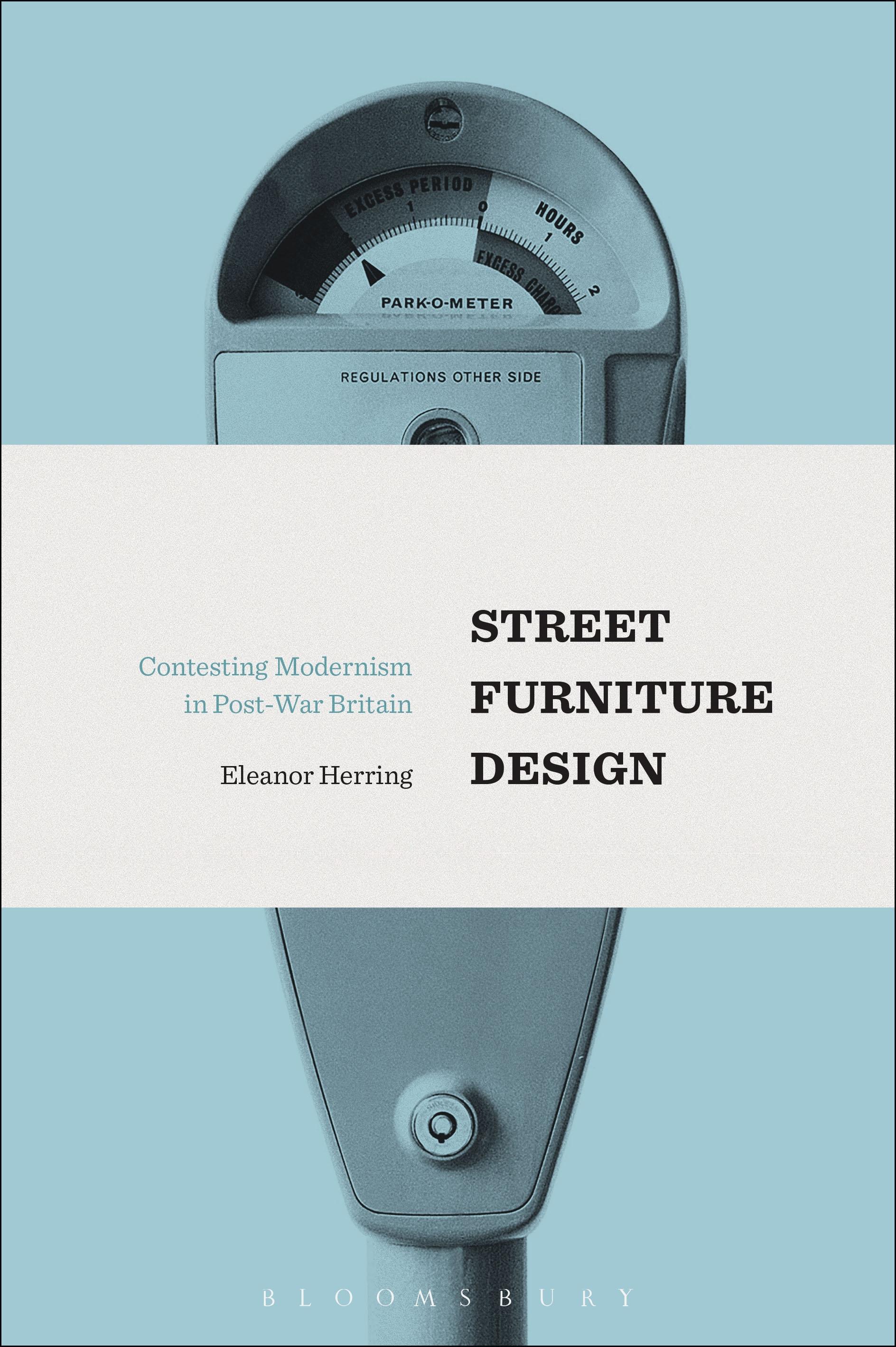
Eleanor Herring's unique study of street furniture in post-war Britain considers how objects which are now familiar parts of our urban environment were designed to populate public spaces. Herring explores the design of lampposts, post boxes, parking meters, and signage in the context of a government backed by various bodies keen to propagate 'good' modern design, in a Britain whose towns and cities had been laid waste by bombing and the privations of war.
She also considers the innate conservatism of local communities and councils, wary of a standardised street design imposed from above. She traces how the design of street furniture became the site of a fierce struggle which exposed deep-seated anxieties about class, taste and power. Herring's original research draws on archival material and on interviews with leading figures in urban design, including graphic designer Margaret Calvert and industrial designer Kenneth Grange.
She also considers the innate conservatism of local communities and councils, wary of a standardised street design imposed from above. She traces how the design of street furniture became the site of a fierce struggle which exposed deep-seated anxieties about class, taste and power. Herring's original research draws on archival material and on interviews with leading figures in urban design, including graphic designer Margaret Calvert and industrial designer Kenneth Grange.
Payez facilement par carte, Klarna, Apple Pay ou Google Pay. Pas satisfait ? Vous avez toujours une garantie de remboursement de 14 jours. En savoir plus dans nos conditions. Si vous avez des questions, envoyez-nous un e-mail à hello@memmo.org.
Memmo facilite tes études, où que tu sois dans le monde. On rassemble tes manuels de cours et des outils d'étude intelligents au même endroit : résumés, quiz, podcasts et flashcards. Et il y a Ted, ton compagnon d'étude qui répond à toutes tes questions. Plus de 50 000 étudiants étudient déjà ici – conçu pour t'aider à apprendre plus vite et à moins stresser.