
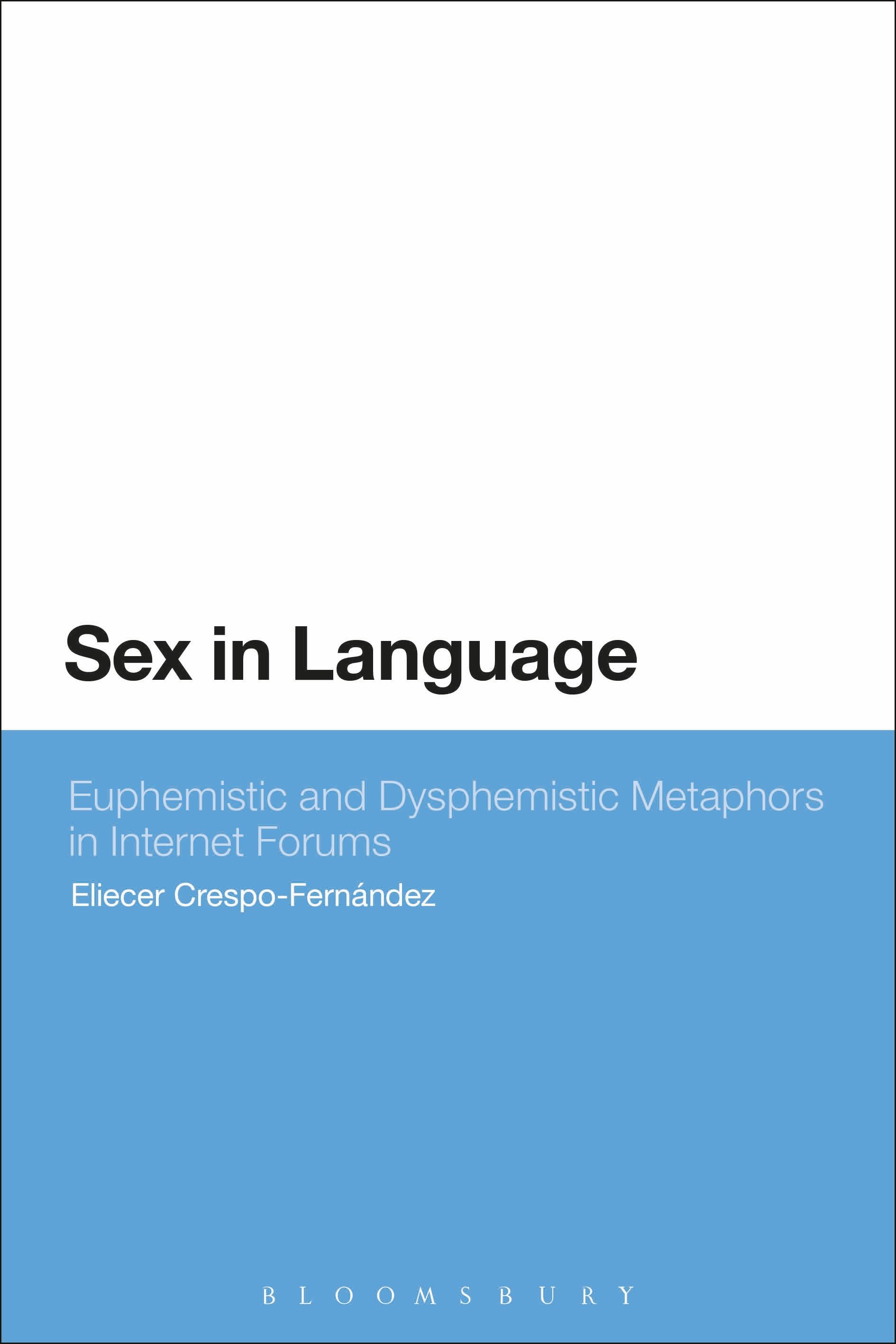
Metaphor has long provided a rich way to speak about the unspeakable, to refer to delicate issues. Sex is one such area. This book follows a cognitive-linguistic and relevance-theoretic approach to the language of sex, considering metaphor as a bridge that brings together mind and language. It does this through the analysis of the antithetical mechanisms of verbal mitigation and offence. These two mechanisms are (more commonly know as) euphemism and (its lesser known companion term) dysphemism.
The volume reflects on the social and communicative functions that sexual metaphors perform in a sample of almost two hundred postings taken from internet forums. How do people think about sex? How do people avoid talking about sex? How do people paraphrase sexual topics? It offers an account of how real language users understand sexual taboo in present-day English and also a great grounding in manual corpus work on a qualitative level.
The volume reflects on the social and communicative functions that sexual metaphors perform in a sample of almost two hundred postings taken from internet forums. How do people think about sex? How do people avoid talking about sex? How do people paraphrase sexual topics? It offers an account of how real language users understand sexual taboo in present-day English and also a great grounding in manual corpus work on a qualitative level.
Payez facilement par carte, Klarna, Apple Pay ou Google Pay. Pas satisfait ? Vous avez toujours une garantie de remboursement de 14 jours. En savoir plus dans nos conditions. Si vous avez des questions, envoyez-nous un e-mail à hello@memmo.org.
Memmo facilite tes études, où que tu sois dans le monde. On rassemble tes manuels de cours et des outils d'étude intelligents au même endroit : résumés, quiz, podcasts et flashcards. Et il y a Ted, ton compagnon d'étude qui répond à toutes tes questions. Plus de 50 000 étudiants étudient déjà ici – conçu pour t'aider à apprendre plus vite et à moins stresser.