
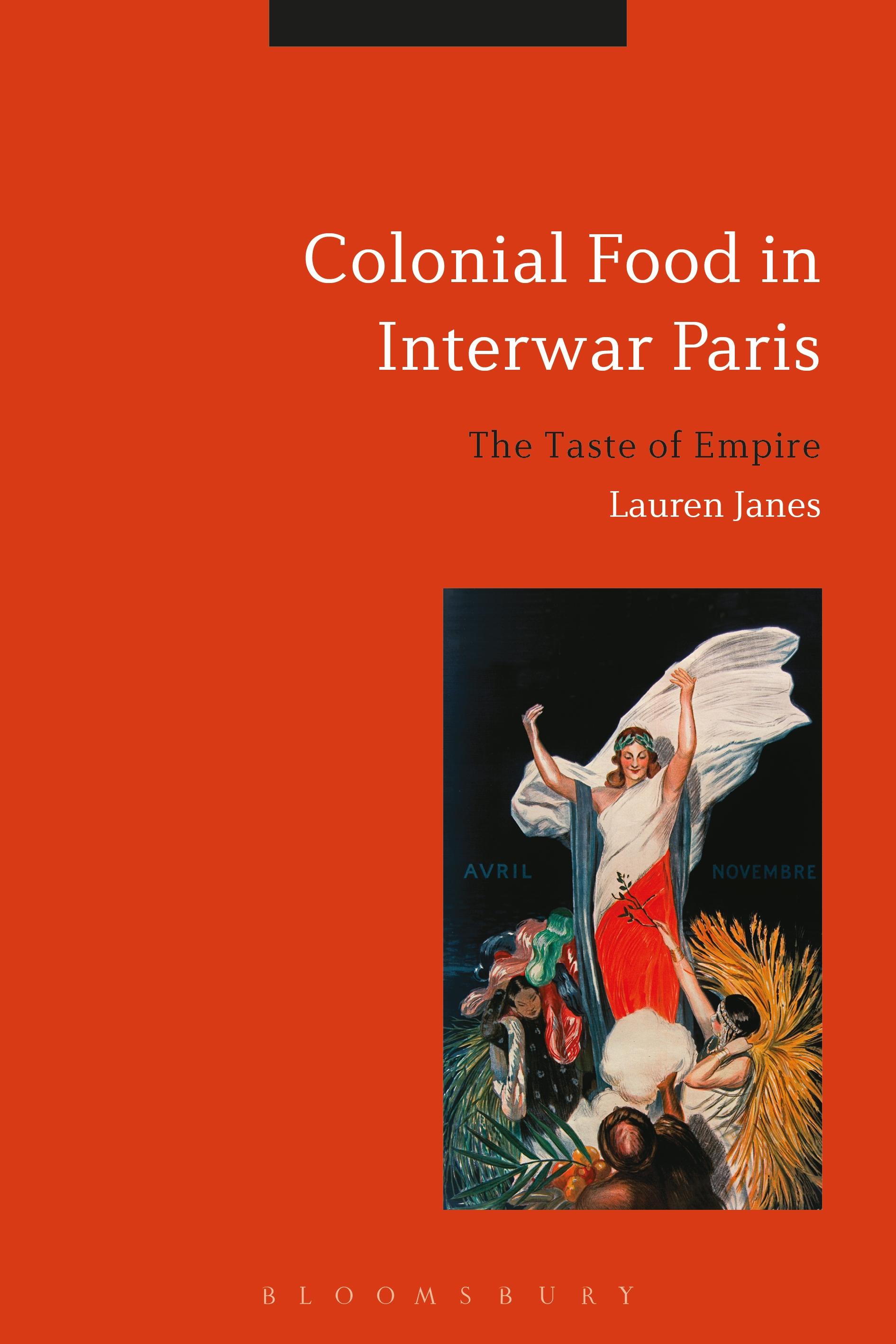
In the wake of the First World War, in which France suffered severe food shortages, colonial produce became an increasingly important element of the French diet. The colonial lobby seized upon these foodstuffs as powerful symbols of the importance of the colonial project to the life of the French nation. But how was colonial food really received by the French public? And what does this tell us about the place of empire in French society?
In Colonial Food in Interwar Paris, Lauren Janes disputes the claim that empire was central to French history and identity, arguing that the distrust of colonial food reflected a wider disinterest in the empire. From Indochinese rice to North African grains and tropical fruit to curry powder, this book offers an intriguing and original challenge to current orthodoxy about the centrality of empire to modern France by examining the place of colonial foods in the nation's capital.
In Colonial Food in Interwar Paris, Lauren Janes disputes the claim that empire was central to French history and identity, arguing that the distrust of colonial food reflected a wider disinterest in the empire. From Indochinese rice to North African grains and tropical fruit to curry powder, this book offers an intriguing and original challenge to current orthodoxy about the centrality of empire to modern France by examining the place of colonial foods in the nation's capital.
Payez facilement par carte, Klarna, Apple Pay ou Google Pay. Pas satisfait ? Vous avez toujours une garantie de remboursement de 14 jours. En savoir plus dans nos conditions. Si vous avez des questions, envoyez-nous un e-mail à hello@memmo.org.
Memmo facilite tes études, où que tu sois dans le monde. On rassemble tes manuels de cours et des outils d'étude intelligents au même endroit : résumés, quiz, podcasts et flashcards. Et il y a Ted, ton compagnon d'étude qui répond à toutes tes questions. Plus de 50 000 étudiants étudient déjà ici – conçu pour t'aider à apprendre plus vite et à moins stresser.