
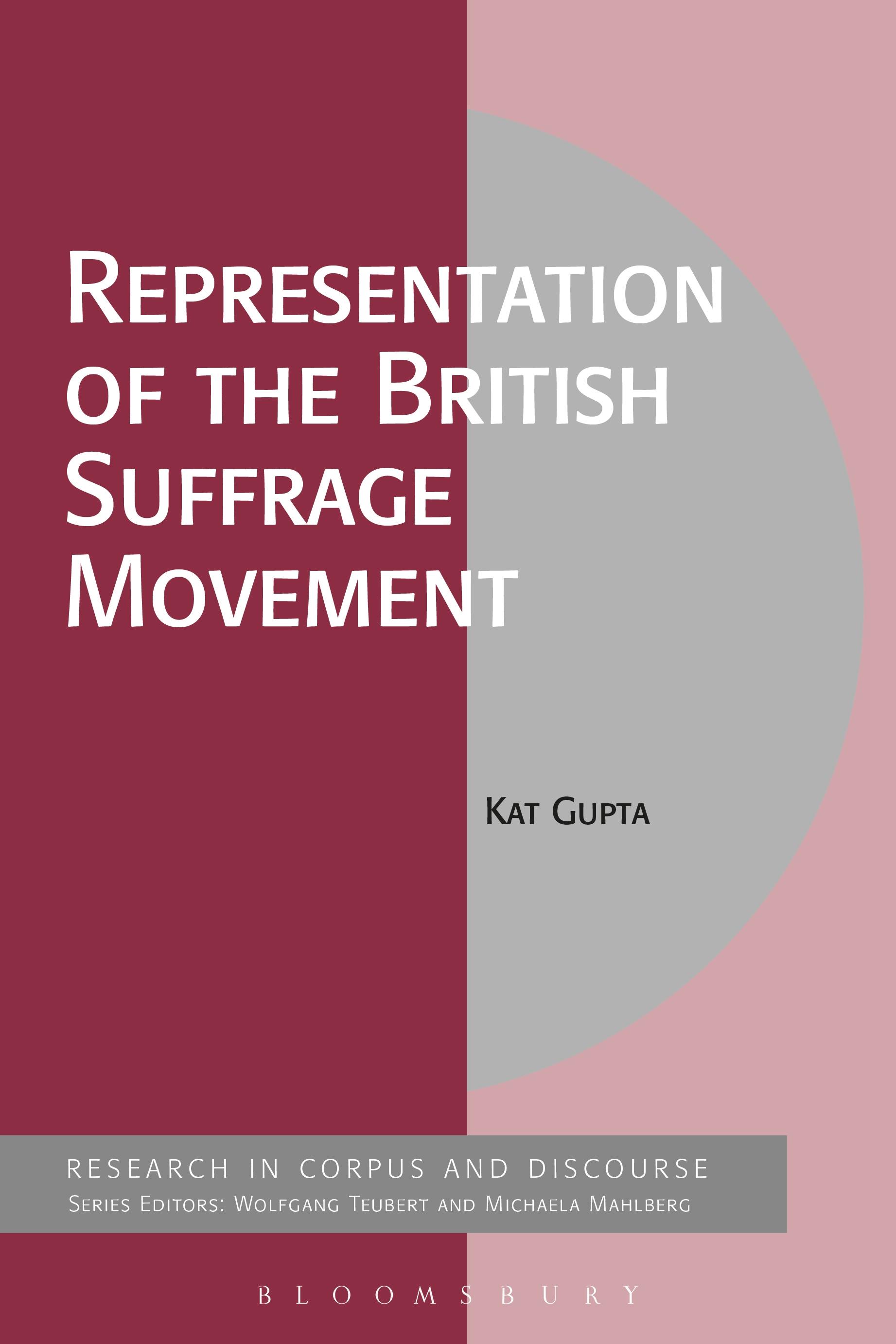
Focussing on The Times, this monograph uses corpus linguistics to examine how suffrage campaigners' different ideologies were conflated in the newspaper over a crucial time period for the movement - 1908 to 1914, leading up to the Representation of the People Act in 1918.
Looking particularly at representations of suffrage campaigners' support of or opposition to military action, Gupta uses a range of methodological approaches drawn from corpus linguistics, discourse analysis and CDA. These include: collocation analysis, examination of consistent significant collocates and van Leeuwen's taxonomy of social actors.
The book offers an innovative insight into contemporary public understanding of the suffrage campaign with implications for researchers examining large, complex protest movements.
Looking particularly at representations of suffrage campaigners' support of or opposition to military action, Gupta uses a range of methodological approaches drawn from corpus linguistics, discourse analysis and CDA. These include: collocation analysis, examination of consistent significant collocates and van Leeuwen's taxonomy of social actors.
The book offers an innovative insight into contemporary public understanding of the suffrage campaign with implications for researchers examining large, complex protest movements.
Payez facilement par carte, Klarna, Apple Pay ou Google Pay. Pas satisfait ? Vous avez toujours une garantie de remboursement de 14 jours. En savoir plus dans nos conditions. Si vous avez des questions, envoyez-nous un e-mail à hello@memmo.org.
Memmo facilite tes études, où que tu sois dans le monde. On rassemble tes manuels de cours et des outils d'étude intelligents au même endroit : résumés, quiz, podcasts et flashcards. Et il y a Ted, ton compagnon d'étude qui répond à toutes tes questions. Plus de 50 000 étudiants étudient déjà ici – conçu pour t'aider à apprendre plus vite et à moins stresser.