
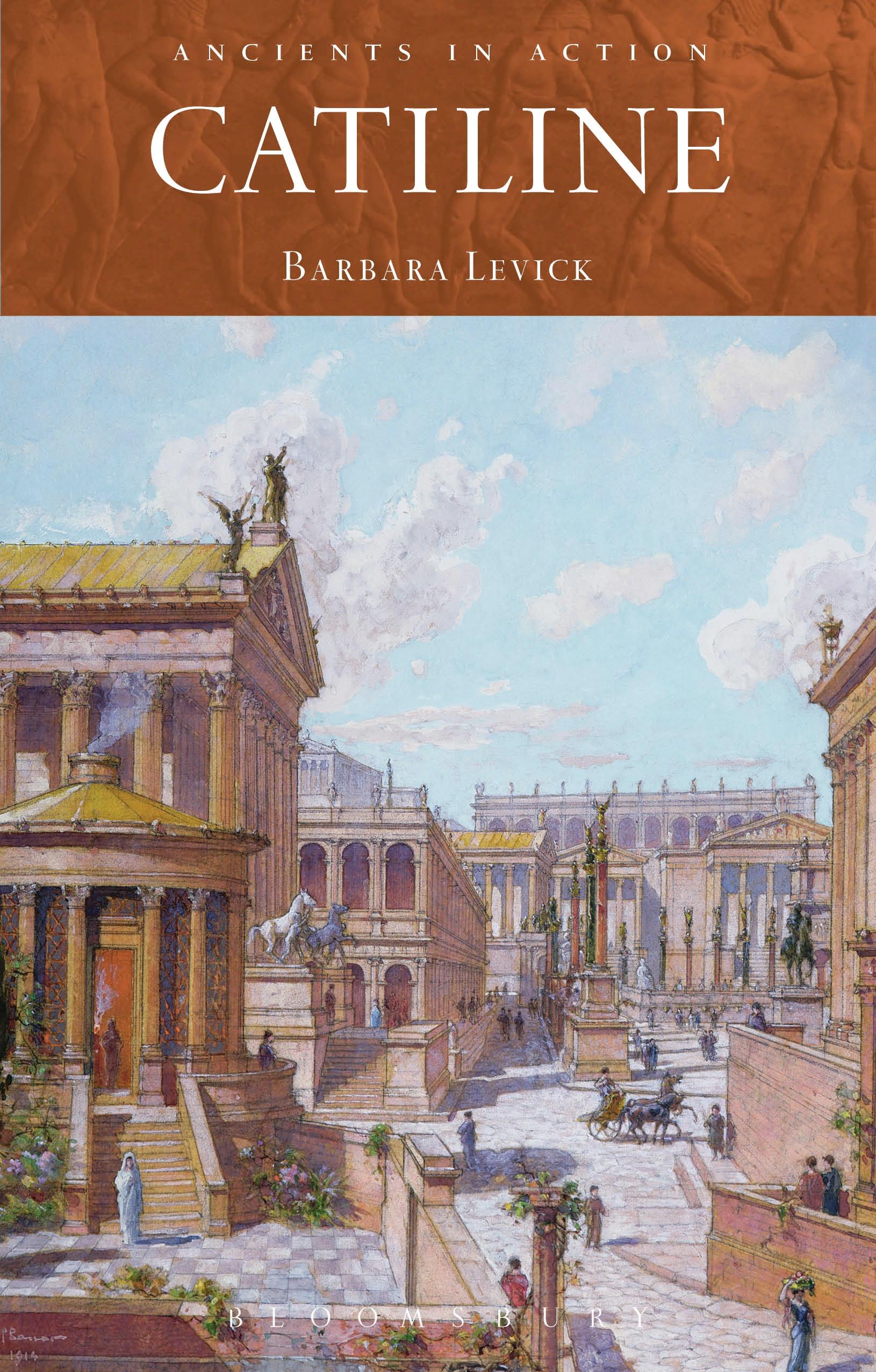
Like Guy Fawkes in early 17th-century Britain, L. Sergius Catilina was a threat to the constitution imposed on Rome by Sulla in the mid-1st century BC. His aim at first was to reach the consulship, the summit of power at Rome, by conventional means, but he lacked the money and support to win his way to the top, unlike two contemporaries of greater means and talent: the orator Cicero and the military man Pompey the Great.
Defeated for the third time, Catiline took to revolution with a substantial following: destitute farmers, impoverished landowners, discontented Italians and debtors of all kinds. But they could not stand up to the forces of law and order and the rebellion was quashed. For the controversy that still surrounds it, the personalities involved, the distinction of the writers such as Cicero and Sallust, who are our main sources of information for it, this episode remains one of the most significant in late Republican history.
This volume gives an energetic and appealing overview of the events, their sources, and the arguments of modern historians looking back at this controversial period. Accessible for students, but useful also for more experienced scholars, this is the perfect introduction not only to a specific historical episode, but also to the problems of tackling ancient sources as evidence.
Defeated for the third time, Catiline took to revolution with a substantial following: destitute farmers, impoverished landowners, discontented Italians and debtors of all kinds. But they could not stand up to the forces of law and order and the rebellion was quashed. For the controversy that still surrounds it, the personalities involved, the distinction of the writers such as Cicero and Sallust, who are our main sources of information for it, this episode remains one of the most significant in late Republican history.
This volume gives an energetic and appealing overview of the events, their sources, and the arguments of modern historians looking back at this controversial period. Accessible for students, but useful also for more experienced scholars, this is the perfect introduction not only to a specific historical episode, but also to the problems of tackling ancient sources as evidence.
Payez facilement par carte, Klarna, Apple Pay ou Google Pay. Pas satisfait ? Vous avez toujours une garantie de remboursement de 14 jours. En savoir plus dans nos conditions. Si vous avez des questions, envoyez-nous un e-mail à hello@memmo.org.
Memmo facilite tes études, où que tu sois dans le monde. On rassemble tes manuels de cours et des outils d'étude intelligents au même endroit : résumés, quiz, podcasts et flashcards. Et il y a Ted, ton compagnon d'étude qui répond à toutes tes questions. Plus de 50 000 étudiants étudient déjà ici – conçu pour t'aider à apprendre plus vite et à moins stresser.