
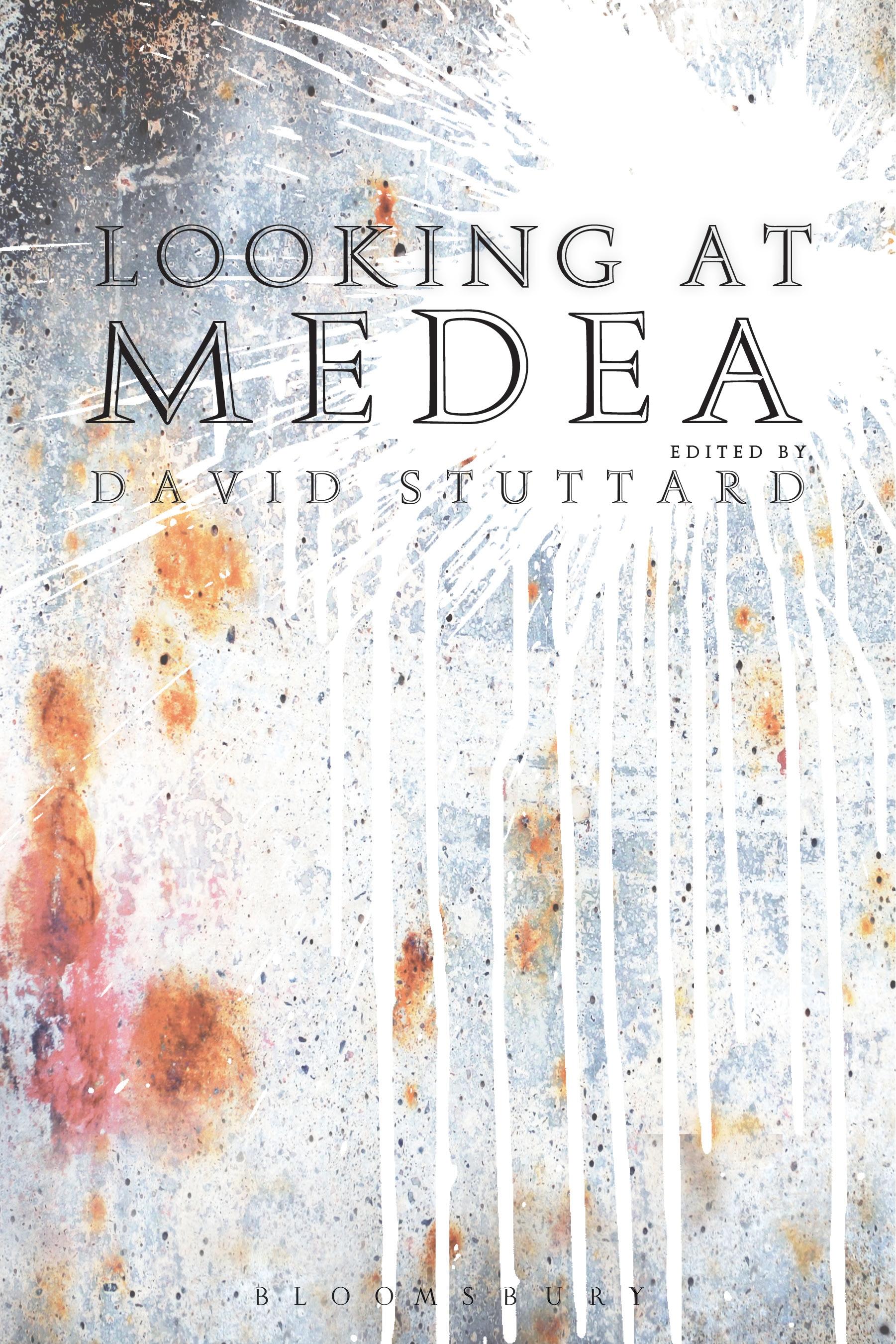
Euripides' Medea is one of the most often read, studied and performed of all Greek tragedies. A searingly cruel story of a woman's brutal revenge on a husband who has rejected her for a younger and richer bride, it is unusual among Greek dramas for its acute portrayal of female psychology. Medea can appear at once timeless and strikingly modern. Yet, the play is very much a product of the political and social world of fifth century Athens and an understanding of its original context, as well as a consideration of the responses of later ages, is crucial to appreciating this work and its legacy. This collection of essays by leading academics addresses these issues, exploring key themes such as revenge, character, mythology, the end of the play, the chorus and Medea's role as a witch. Other essays look at the play's context, religious connotations, stagecraft and reception. The essays are accompanied by David Stuttard's English translation of the play, which is performer-friendly, accessible yet accurate and closely faithful to the original.
Payez facilement par carte, Klarna, Apple Pay ou Google Pay. Pas satisfait ? Vous avez toujours une garantie de remboursement de 14 jours. En savoir plus dans nos conditions. Si vous avez des questions, envoyez-nous un e-mail à hello@memmo.org.
Memmo facilite tes études, où que tu sois dans le monde. On rassemble tes manuels de cours et des outils d'étude intelligents au même endroit : résumés, quiz, podcasts et flashcards. Et il y a Ted, ton compagnon d'étude qui répond à toutes tes questions. Plus de 50 000 étudiants étudient déjà ici – conçu pour t'aider à apprendre plus vite et à moins stresser.