
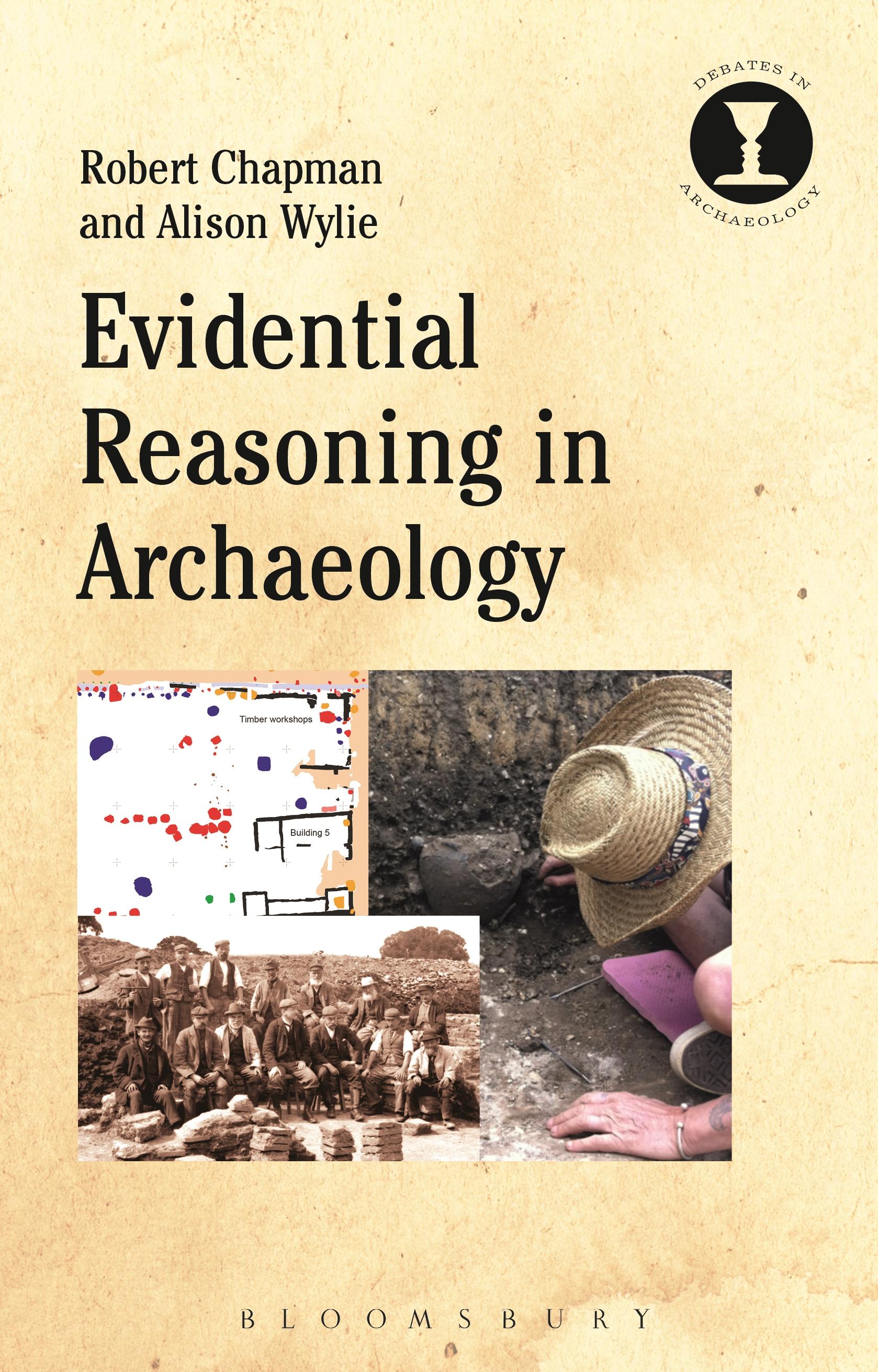
How do archaeologists work with the data they identify as a record of the cultural past? How are these data collected and construed as evidence? What is the impact on archaeological practice of new techniques of data recovery and analysis, especially those imported from the sciences?
To answer these questions, the authors identify close-to-the-ground principles of best practice based on an analysis of examples of evidential reasoning in archaeology that are widely regarded as successful, contested, or instructive failures. They look at how archaeologists put old evidence to work in pursuit of new interpretations, how they construct provisional foundations for inquiry as they go, and how they navigate the multidisciplinary ties that make archaeology a productive intellectual trading zone. This case-based approach is predicated on a conviction that archaeological practice is a repository of considerable methodological wisdom, embodied in tacit norms and skilled expertise – wisdom that is rarely made explicit except when contested, and is often obscured when questions about the status and reach of archaeological evidence figure in high-profile crisis debates.
To answer these questions, the authors identify close-to-the-ground principles of best practice based on an analysis of examples of evidential reasoning in archaeology that are widely regarded as successful, contested, or instructive failures. They look at how archaeologists put old evidence to work in pursuit of new interpretations, how they construct provisional foundations for inquiry as they go, and how they navigate the multidisciplinary ties that make archaeology a productive intellectual trading zone. This case-based approach is predicated on a conviction that archaeological practice is a repository of considerable methodological wisdom, embodied in tacit norms and skilled expertise – wisdom that is rarely made explicit except when contested, and is often obscured when questions about the status and reach of archaeological evidence figure in high-profile crisis debates.
Payez facilement par carte, Klarna, Apple Pay ou Google Pay. Pas satisfait ? Vous avez toujours une garantie de remboursement de 14 jours. En savoir plus dans nos conditions. Si vous avez des questions, envoyez-nous un e-mail à hello@memmo.org.
Memmo facilite tes études, où que tu sois dans le monde. On rassemble tes manuels de cours et des outils d'étude intelligents au même endroit : résumés, quiz, podcasts et flashcards. Et il y a Ted, ton compagnon d'étude qui répond à toutes tes questions. Plus de 50 000 étudiants étudient déjà ici – conçu pour t'aider à apprendre plus vite et à moins stresser.