
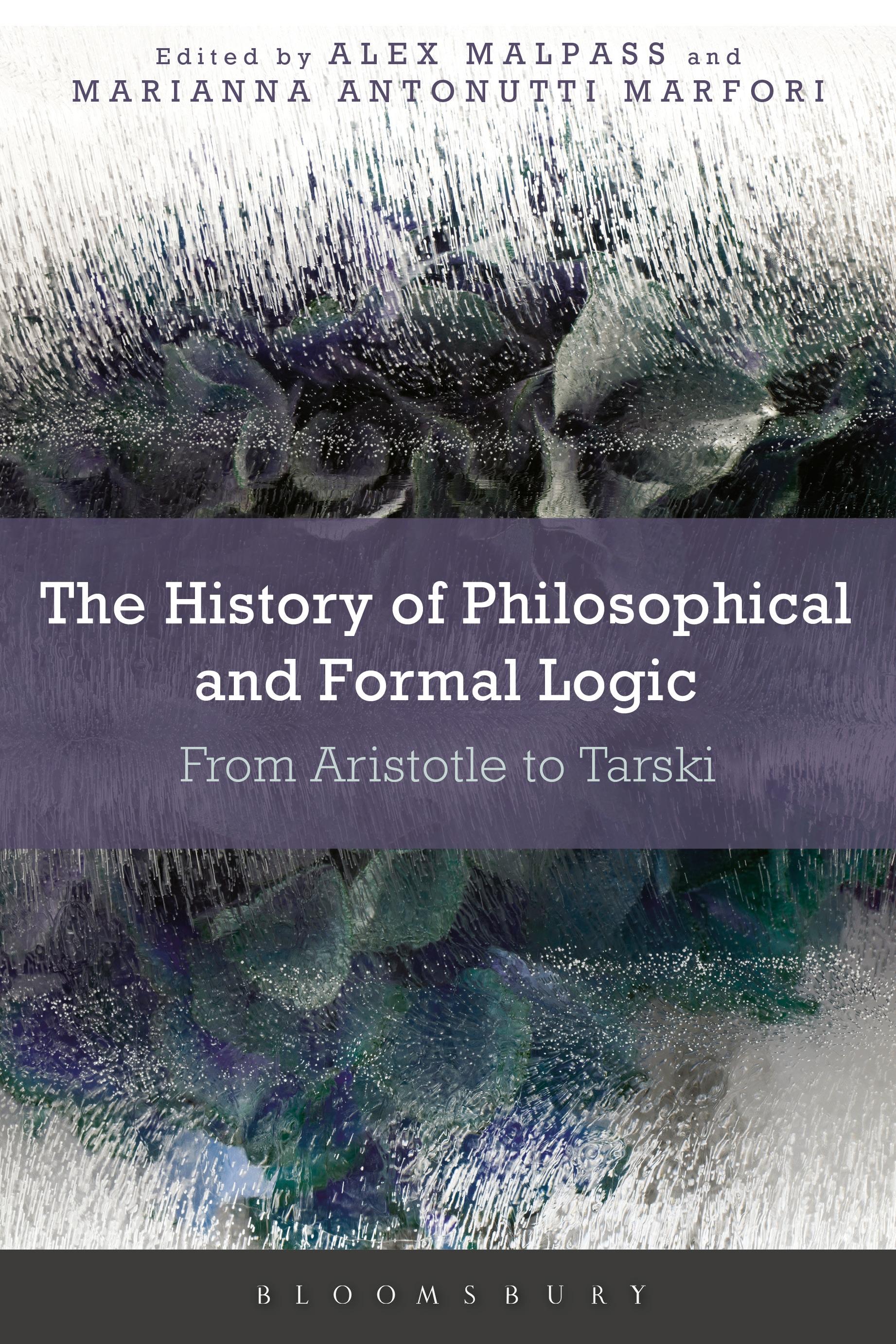
The History of Philosophical and Formal Logic introduces ideas and thinkers central to the development of philosophical and formal logic. From its Aristotelian origins to the present-day arguments, logic is broken down into four main time periods:
Antiquity and the Middle Ages (Aristotle and The Stoics)
The early modern period (Bolzano, Boole)
High modern period (Frege, Peano & Russell and Hilbert)
Early 20th century (Godel and Tarski)
Each new time frame begins with an introductory overview highlighting themes and points of importance. Chapters discuss the significance and reception of influential works and look at historical arguments in the context of contemporary debates. To support independent study, comprehensive lists of primary and secondary reading are included at the end of chapters, along with exercises and discussion questions.
By clearly presenting and explaining the changes to logic across the history of philosophy, The History of Philosophical and Formal Logic constructs an easy-to-follow narrative. This is an ideal starting point for students looking to understand the historical development of logic.
Antiquity and the Middle Ages (Aristotle and The Stoics)
The early modern period (Bolzano, Boole)
High modern period (Frege, Peano & Russell and Hilbert)
Early 20th century (Godel and Tarski)
Each new time frame begins with an introductory overview highlighting themes and points of importance. Chapters discuss the significance and reception of influential works and look at historical arguments in the context of contemporary debates. To support independent study, comprehensive lists of primary and secondary reading are included at the end of chapters, along with exercises and discussion questions.
By clearly presenting and explaining the changes to logic across the history of philosophy, The History of Philosophical and Formal Logic constructs an easy-to-follow narrative. This is an ideal starting point for students looking to understand the historical development of logic.
Payez facilement par carte, Klarna, Apple Pay ou Google Pay. Pas satisfait ? Vous avez toujours une garantie de remboursement de 14 jours. En savoir plus dans nos conditions. Si vous avez des questions, envoyez-nous un e-mail à hello@memmo.org.
Memmo facilite tes études, où que tu sois dans le monde. On rassemble tes manuels de cours et des outils d'étude intelligents au même endroit : résumés, quiz, podcasts et flashcards. Et il y a Ted, ton compagnon d'étude qui répond à toutes tes questions. Plus de 50 000 étudiants étudient déjà ici – conçu pour t'aider à apprendre plus vite et à moins stresser.