
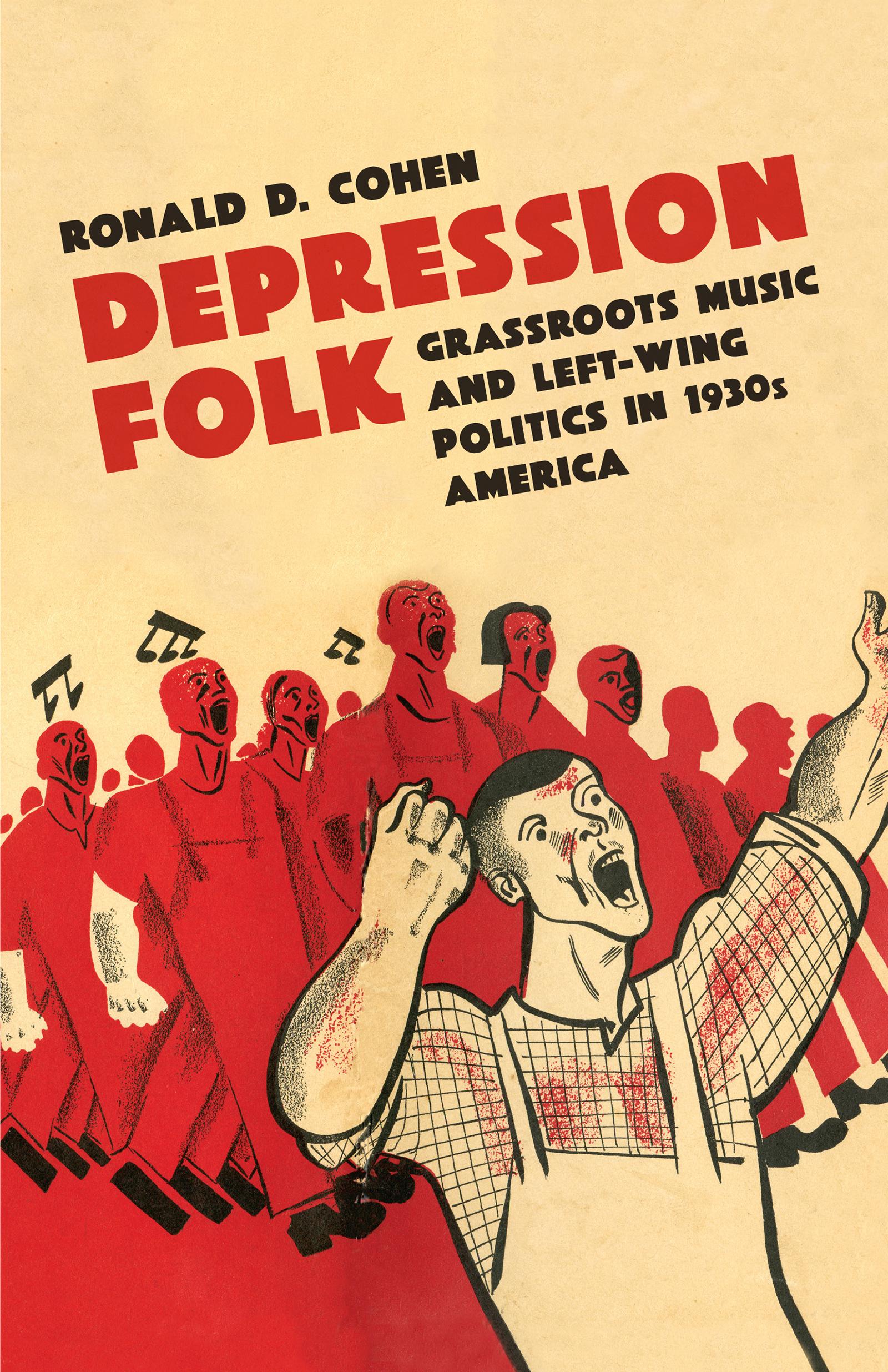
While music lovers and music historians alike understand that folk music played an increasingly pivotal role in American labor and politics during the economic and social tumult of the Great Depression, how did this relationship come to be? Ronald D. Cohen sheds new light on the complex cultural history of folk music in America, detailing the musicians, government agencies, and record companies that had a lasting impact during the 1930s and beyond. Covering myriad musical styles and performers, Cohen narrates a singular history that begins in nineteenth-century labor politics and popular music culture, following the rise of unions and Communism to the subsequent Red Scare and increasing power of the Conservative movement in American politics — with American folk and vernacular music centered throughout. Detailing the influence and achievements of such notable musicians as Pete Seeger, Big Bill Broonzy, and Woody Guthrie, Cohen explores the intersections of politics, economics, and race, using the roots of American folk music to explore one of the United States’ most troubled times. Becoming entangled with the ascending American left wing, folk music became synonymous with protest and sharing the troubles of real people through song.
Payez facilement par carte, Klarna, Apple Pay ou Google Pay. Pas satisfait ? Vous avez toujours une garantie de remboursement de 14 jours. En savoir plus dans nos conditions. Si vous avez des questions, envoyez-nous un e-mail à hello@memmo.org.
Memmo facilite tes études, où que tu sois dans le monde. On rassemble tes manuels de cours et des outils d'étude intelligents au même endroit : résumés, quiz, podcasts et flashcards. Et il y a Ted, ton compagnon d'étude qui répond à toutes tes questions. Plus de 50 000 étudiants étudient déjà ici – conçu pour t'aider à apprendre plus vite et à moins stresser.
Tu pourrais aussi aimer
Acheter le livre0