
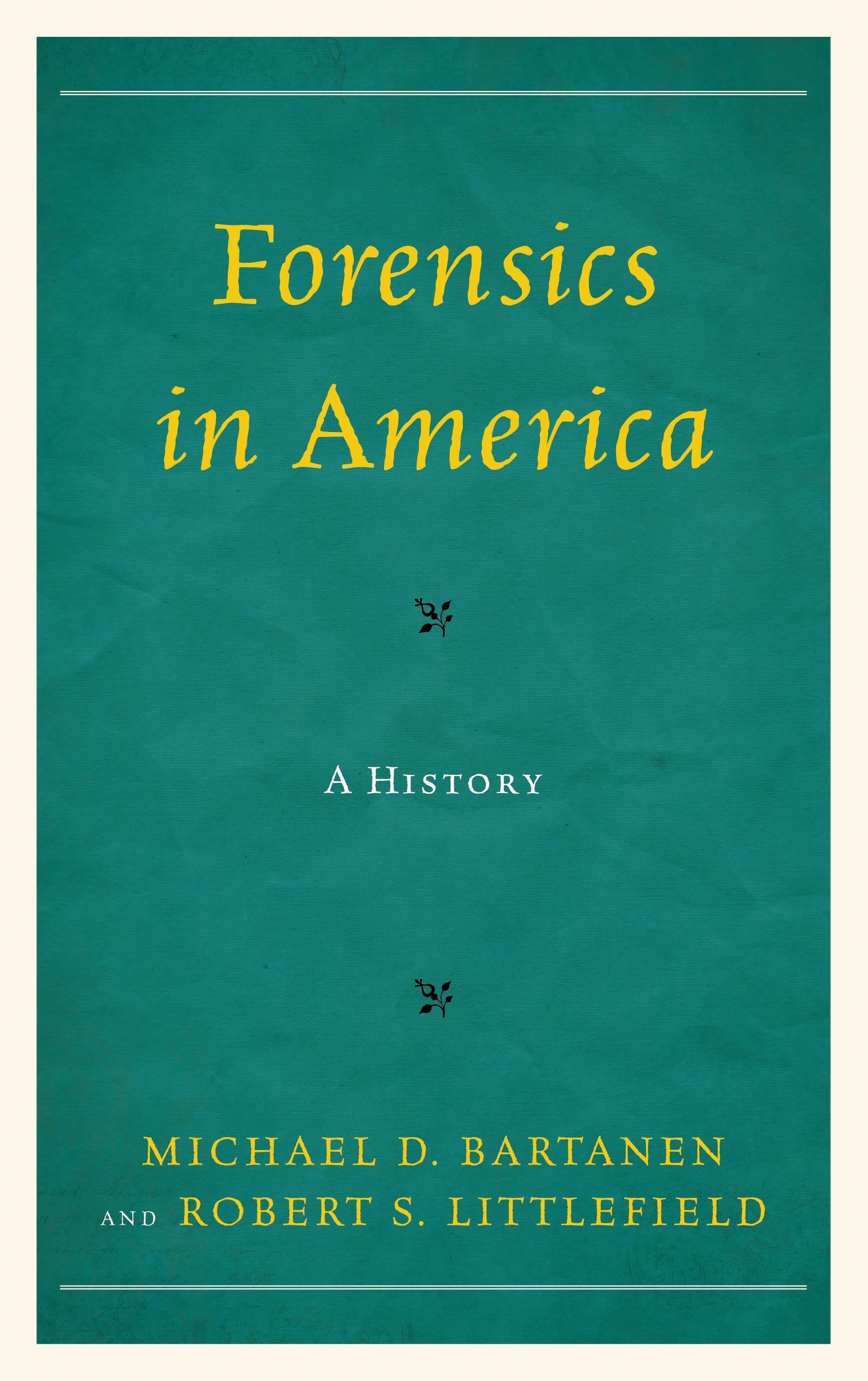
Here is the story of the process by which competitive speech and debate evolved in the United States during the 20th Century.
This authoritative history shows how forensics, as practiced in the United States, was an uneasy fusion of contradictory premises that began as a significant part of the tradition of American public address: The need for preparing students to participate in democratic governance in conflict with a student’s need to express personal and competitive impulses. Forensics represented a push and pull between an activity simultaneously considered to be both a public and a private good.
The book:
identifies the themes and trends of American forensics within an overarching chronological framework; reveals the impact of American forensics on the communication discipline, as well as America’s social and educational systems; concentrates on the elements of social history that contributed to organizational development, leadership, and politics; and, provides a base line reflecting the influences of both American culture in particular, and western culture in general, for cross-cultural comparisons between processes and effects of forensics as a form of education.
While intrinsically valuable as part of a comprehensive understanding of the history of higher education in the United States in the 20th Century, Forensics in America: A History is significant in providing a context for understanding the role forensics may play in the 21st Century. The book expands the study of American public address, focuses on the pedagogy of forensics training, and explores cultural dimensions of forensics activities.
This authoritative history shows how forensics, as practiced in the United States, was an uneasy fusion of contradictory premises that began as a significant part of the tradition of American public address: The need for preparing students to participate in democratic governance in conflict with a student’s need to express personal and competitive impulses. Forensics represented a push and pull between an activity simultaneously considered to be both a public and a private good.
The book:
identifies the themes and trends of American forensics within an overarching chronological framework; reveals the impact of American forensics on the communication discipline, as well as America’s social and educational systems; concentrates on the elements of social history that contributed to organizational development, leadership, and politics; and, provides a base line reflecting the influences of both American culture in particular, and western culture in general, for cross-cultural comparisons between processes and effects of forensics as a form of education.
While intrinsically valuable as part of a comprehensive understanding of the history of higher education in the United States in the 20th Century, Forensics in America: A History is significant in providing a context for understanding the role forensics may play in the 21st Century. The book expands the study of American public address, focuses on the pedagogy of forensics training, and explores cultural dimensions of forensics activities.
Payez facilement par carte, Klarna, Apple Pay ou Google Pay. Pas satisfait ? Vous avez toujours une garantie de remboursement de 14 jours. En savoir plus dans nos conditions. Si vous avez des questions, envoyez-nous un e-mail à hello@memmo.org.
Memmo facilite tes études, où que tu sois dans le monde. On rassemble tes manuels de cours et des outils d'étude intelligents au même endroit : résumés, quiz, podcasts et flashcards. Et il y a Ted, ton compagnon d'étude qui répond à toutes tes questions. Plus de 50 000 étudiants étudient déjà ici – conçu pour t'aider à apprendre plus vite et à moins stresser.