
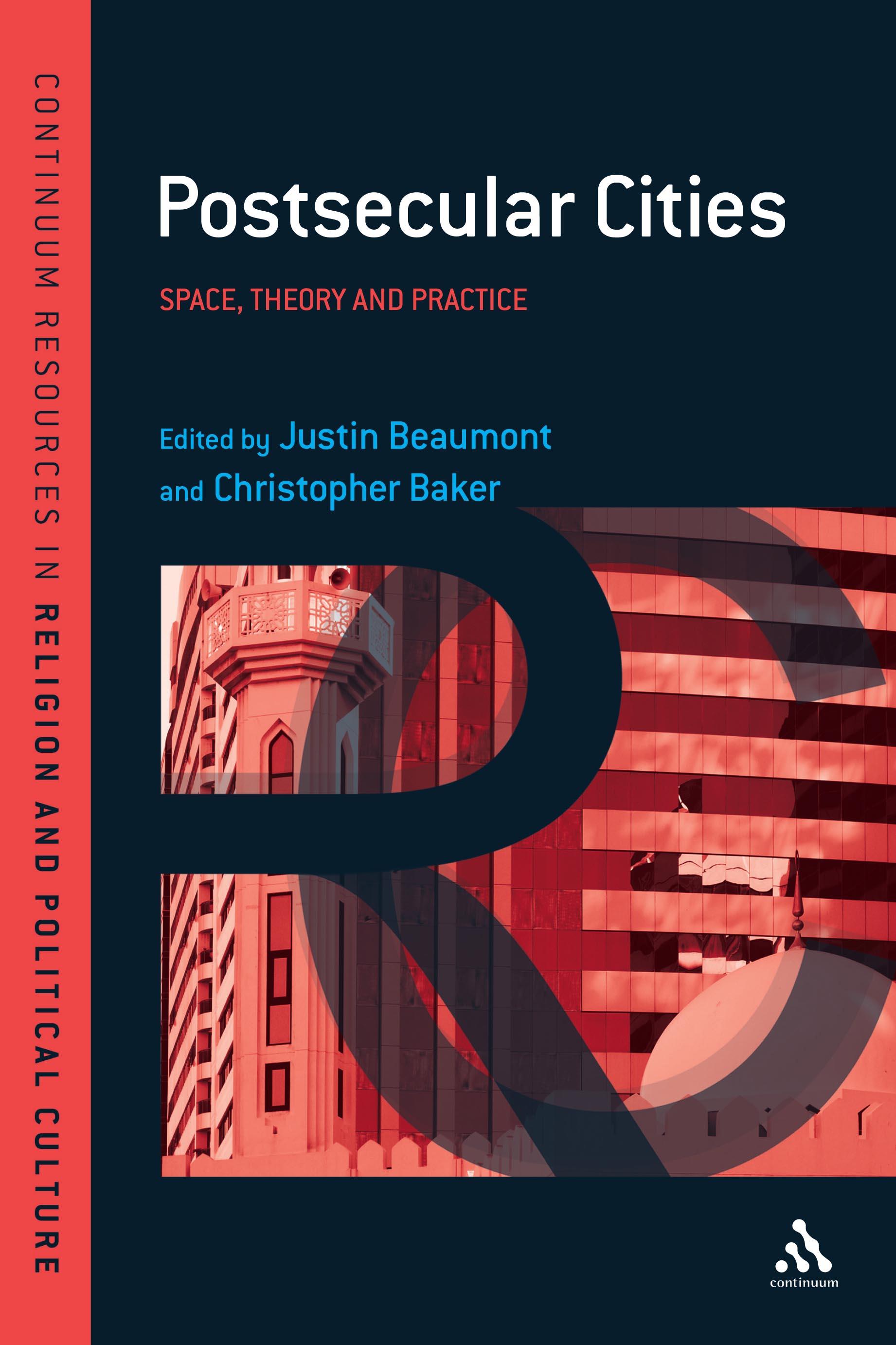
This book reflects the wide-spread belief that the twenty-first century is evolving in a significantly different way to the twentieth, which witnessed the advance of human rationality and technological progress, including urbanisation, and called into question the public and cultural significance of religion. In this century, by contrast, religion, faith communities and spiritual values have returned to the centre of public life, especially public policy, governance, and social identity. Rapidly diversifying urban locations are the best places to witness the emergence of new spaces in which religions and spiritual traditions are creating both new alliances but also bifurcations with secular sectors. Postsecular Cities examines how the built environment reflects these trends. Recognizing that the 'turn to the postsecular' is a contested and multifaceted trend, the authors offer a vigorous, open but structured dialogue between theory and practice, but even more excitingly, between the disciplines of human geography and theology. Both disciplines reflect on this powerful but enigmatic force shaping our urban humanity. This unique volume offers the first insight into these interdisciplinary and challenging debates.
Payez facilement par carte, Klarna, Apple Pay ou Google Pay. Pas satisfait ? Vous avez toujours une garantie de remboursement de 14 jours. En savoir plus dans nos conditions. Si vous avez des questions, envoyez-nous un e-mail à hello@memmo.org.
Memmo facilite tes études, où que tu sois dans le monde. On rassemble tes manuels de cours et des outils d'étude intelligents au même endroit : résumés, quiz, podcasts et flashcards. Et il y a Ted, ton compagnon d'étude qui répond à toutes tes questions. Plus de 50 000 étudiants étudient déjà ici – conçu pour t'aider à apprendre plus vite et à moins stresser.