
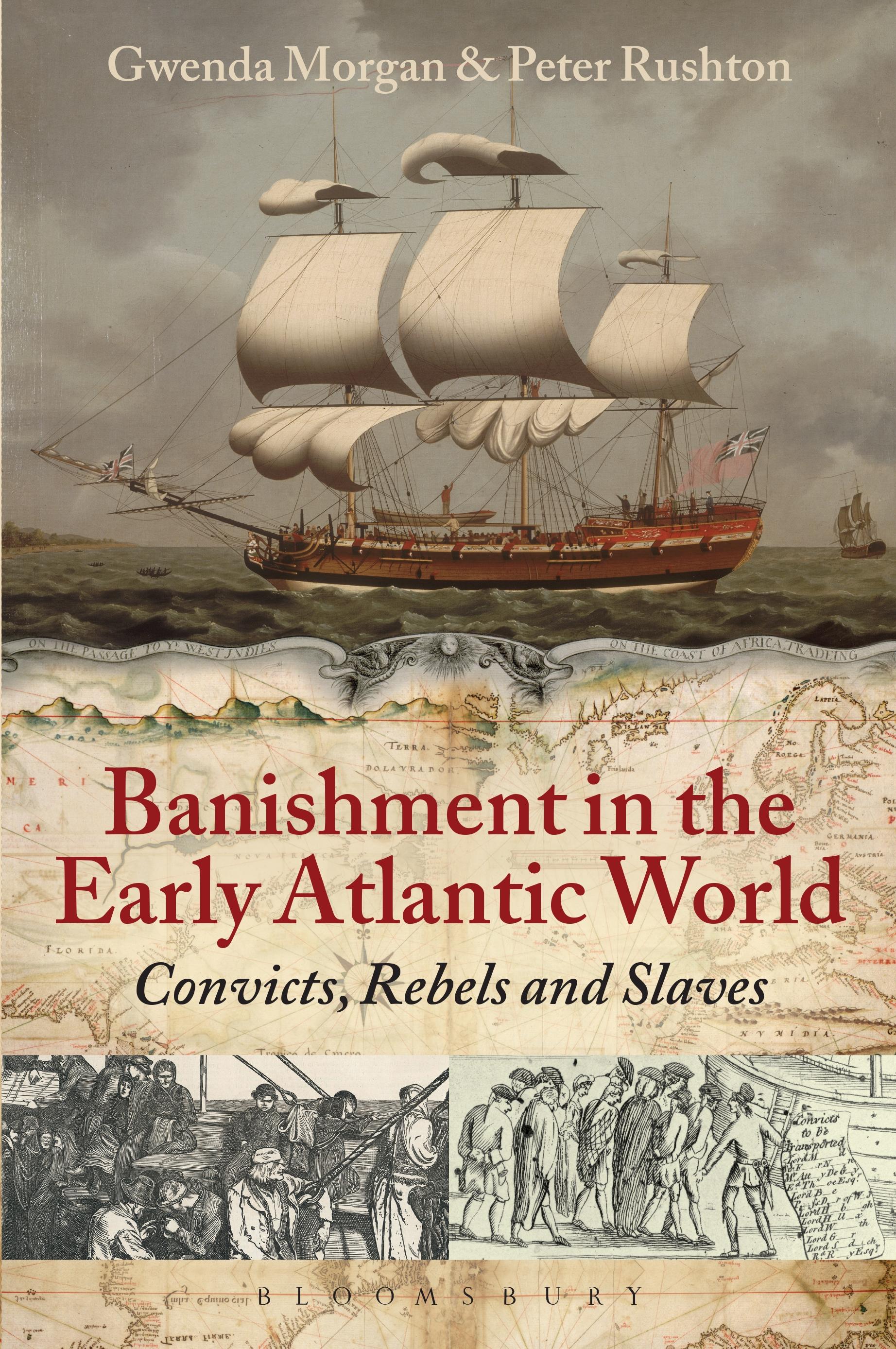
Banishing troublesome and deviant people from society was common in the early modern period. Many European countries removed their paupers, convicted criminals, rebels and religious dissidents to remote communities or to their colonies where they could be simultaneously punished and, perhaps, contained and reformed. Under British rule, poor Irish, Scottish Jacobites, English criminals, Quakers, gypsies, Native Americans, the Acadian French in Canada, rebellious African slaves, or vulnerable minorities like the Jews of St. Eustatius, were among those expelled and banished to another place.
This book explores the legal and political development of this forced migration, focusing on the British Atlantic world between 1600 and 1800. The territories under British rule were not uniform in their policies, and not all practices were driven by instructions from London, or based on a clear legal framework. Using case studies of legal and political strategies from the Atlantic world, and drawing on accounts of collective experiences and individual narratives, the authors explore why victims were chosen for banishment, how they were transported and the impact on their lives. The different contexts of such banishment – internal colonialism ethnic and religious prejudice, suppression of religious or political dissent, or the savageries of war in Europe or the colonies – are examined to establish to what extent displacement, exile and removal were fundamental to the early British Empire.
This book explores the legal and political development of this forced migration, focusing on the British Atlantic world between 1600 and 1800. The territories under British rule were not uniform in their policies, and not all practices were driven by instructions from London, or based on a clear legal framework. Using case studies of legal and political strategies from the Atlantic world, and drawing on accounts of collective experiences and individual narratives, the authors explore why victims were chosen for banishment, how they were transported and the impact on their lives. The different contexts of such banishment – internal colonialism ethnic and religious prejudice, suppression of religious or political dissent, or the savageries of war in Europe or the colonies – are examined to establish to what extent displacement, exile and removal were fundamental to the early British Empire.
Payez facilement par carte, Klarna, Apple Pay ou Google Pay. Pas satisfait ? Vous avez toujours une garantie de remboursement de 14 jours. En savoir plus dans nos conditions. Si vous avez des questions, envoyez-nous un e-mail à hello@memmo.org.
Memmo facilite tes études, où que tu sois dans le monde. On rassemble tes manuels de cours et des outils d'étude intelligents au même endroit : résumés, quiz, podcasts et flashcards. Et il y a Ted, ton compagnon d'étude qui répond à toutes tes questions. Plus de 50 000 étudiants étudient déjà ici – conçu pour t'aider à apprendre plus vite et à moins stresser.