
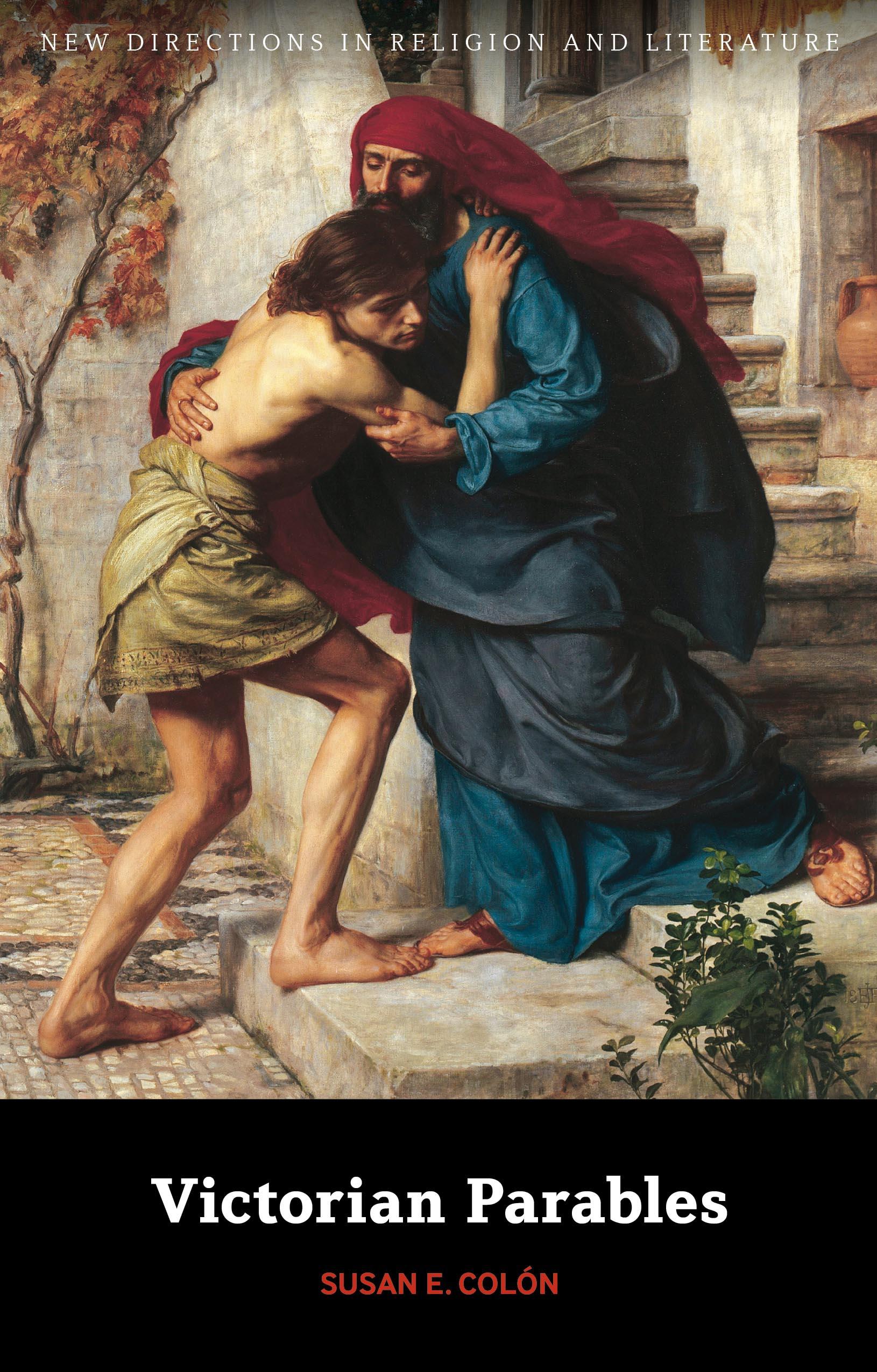
The familiar stories of the good Samaritan, the prodigal son, and Lazarus and the rich man were part of the cultural currency in the nineteenth century, and Victorian authors drew upon the figures and plots of biblical parables for a variety of authoritative, interpretive, and subversive effects. However, scholars of parables in literature have often overlooked the 19th-century novel, assuming that realism bears no relation to the subversive, iconoclastic genre of parable. In this book Susan E. Colòn shows that authors such as Charles Dickens, Margaret Oliphant, and Charlotte Yonge appreciated the power of parables to deliver an ethical charge that was as unexpected as it was disruptive to conventional moral ideas. Against the common assumption that the genres of realism and parable are polar opposites, this study explores how Victorian novels, despite their length, verisimilitude, and multi-plot complexity, can become parables in ways that imitate, interpret, and challenge their biblical sources.
Payez facilement par carte, Klarna, Apple Pay ou Google Pay. Pas satisfait ? Vous avez toujours une garantie de remboursement de 14 jours. En savoir plus dans nos conditions. Si vous avez des questions, envoyez-nous un e-mail à hello@memmo.org.
Memmo facilite tes études, où que tu sois dans le monde. On rassemble tes manuels de cours et des outils d'étude intelligents au même endroit : résumés, quiz, podcasts et flashcards. Et il y a Ted, ton compagnon d'étude qui répond à toutes tes questions. Plus de 50 000 étudiants étudient déjà ici – conçu pour t'aider à apprendre plus vite et à moins stresser.