
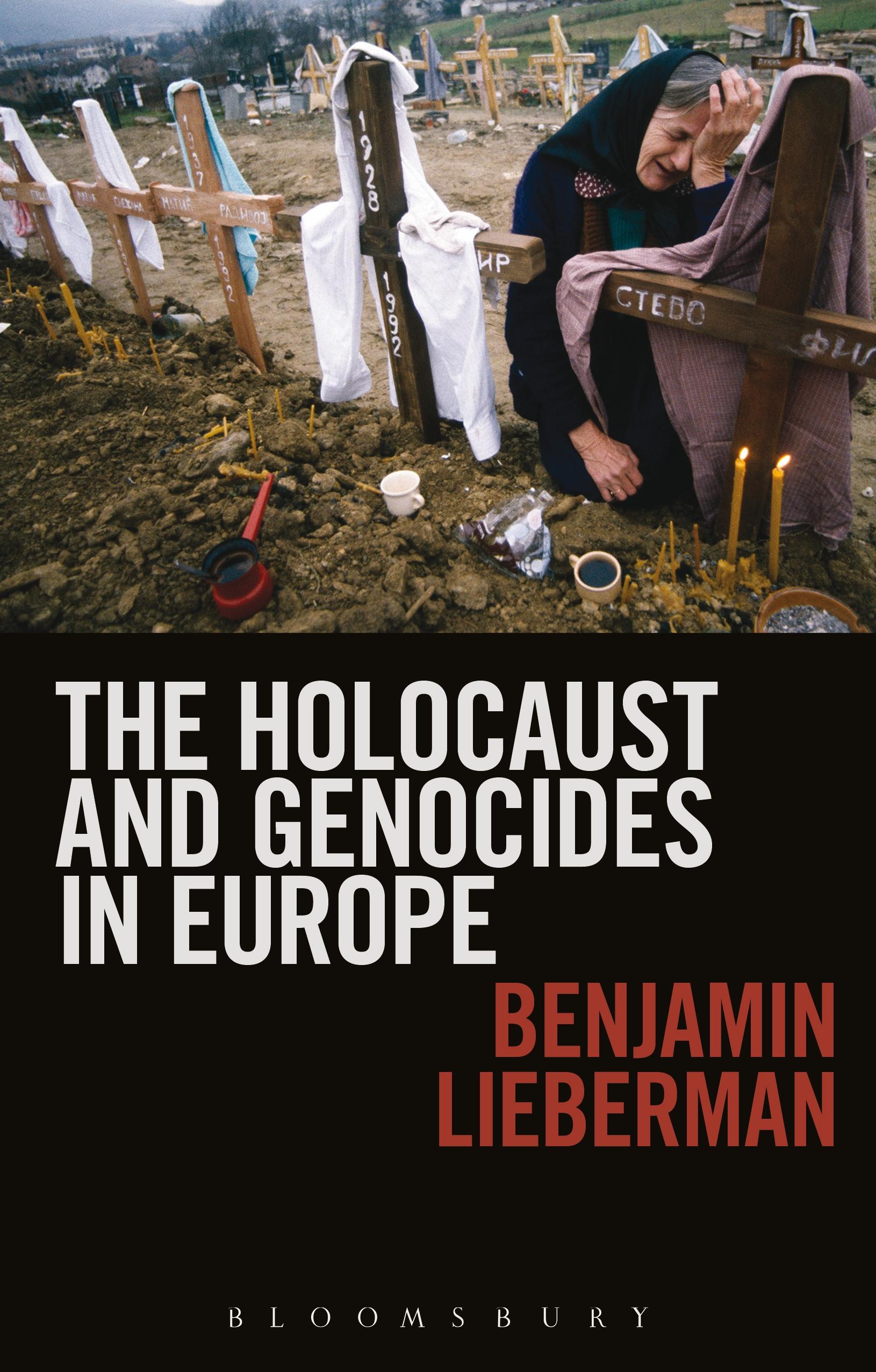
Focusing on the major cases of genocide in twentieth-century Europe, including the Armenian genocide, the Holocaust, and genocide in the former Yugoslavia, as well as mass killing in the Soviet Union, this book outlines the internal and external roots of genocide. Internal causes lie in the rise of radical nationalism and the breakdown of old empires, while external causes lie in the experience of mass violence in European colonial empires. Such roots did not make any case of genocide inevitable but did create models for mass destruction. The book enables students to assess the interplay between general causes of violence and the specific crises that accelerated moves towards radical genocidal policies. Chapters on the major cases of twentieth-century European genocide will each describe and analyse several key themes: acts of genocide; perpetrators, victims and bystanders; and genocide in particular regions. Using the voices of the human actors in genocide, often ignored or forgotten, provides arresting new insights. The conclusion frames European genocide in a global perspective, giving students an entry point to discussion of genocide in other continents and historical periods.
Payez facilement par carte, Klarna, Apple Pay ou Google Pay. Pas satisfait ? Vous avez toujours une garantie de remboursement de 14 jours. En savoir plus dans nos conditions. Si vous avez des questions, envoyez-nous un e-mail à hello@memmo.org.
Memmo facilite tes études, où que tu sois dans le monde. On rassemble tes manuels de cours et des outils d'étude intelligents au même endroit : résumés, quiz, podcasts et flashcards. Et il y a Ted, ton compagnon d'étude qui répond à toutes tes questions. Plus de 50 000 étudiants étudient déjà ici – conçu pour t'aider à apprendre plus vite et à moins stresser.