
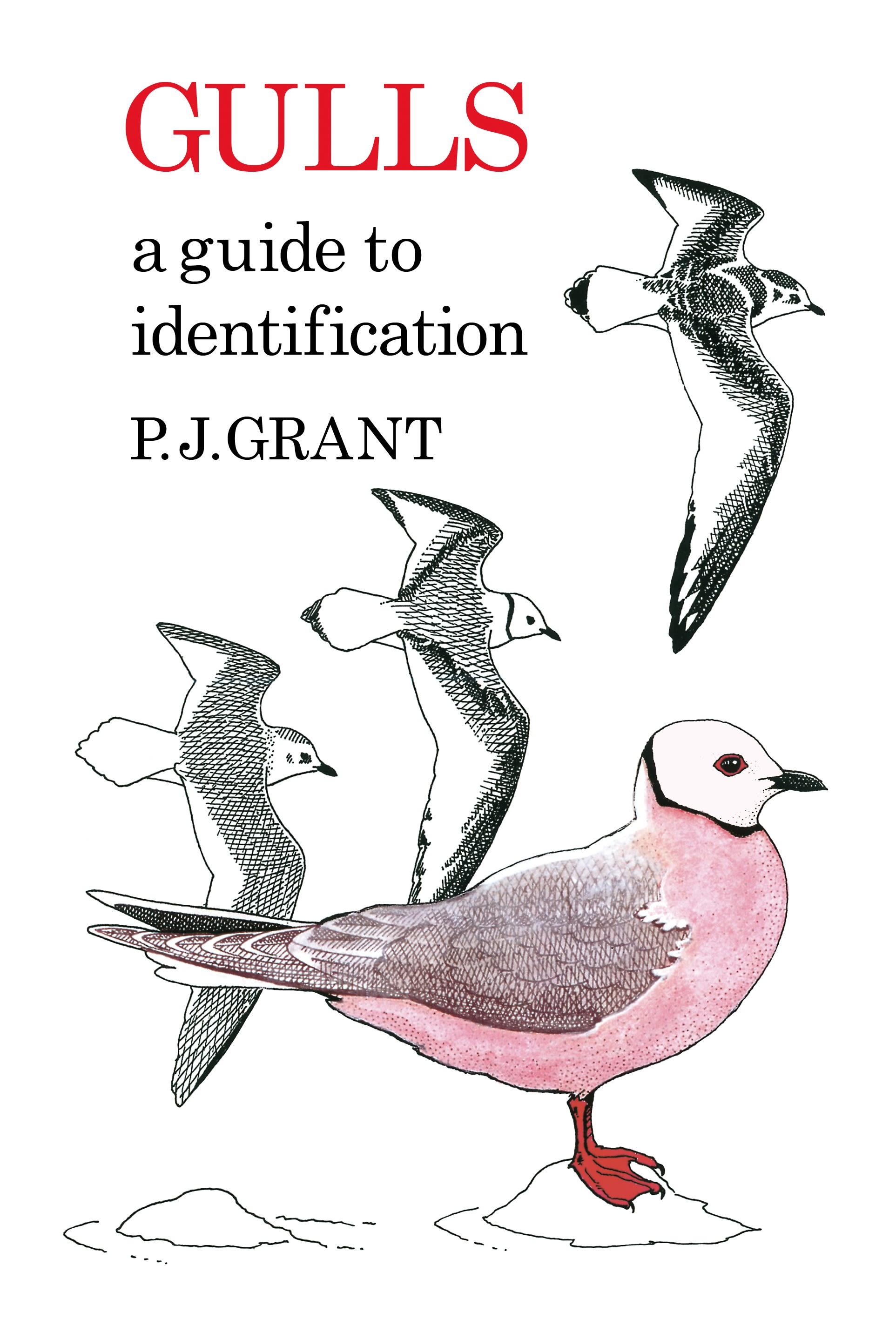
This second edition of Peter Grant's guide has been extensively revised and has been reset throughout. Importantly, a further eight species of gulls occurring on the west coasts of Canada and the USA have been added.
The book now covers 31 species and has been increased in length from 280 to 352 pages. More than 280 new photographs have been added or substituted, bringing the total to 544, including 79 photographs for the eight North American additional species.
The great increase in interest in gull identification since the publication of the first edition (and the author's series on that topic in British Birds) has helped bring much new information to light. As a result some revision was made to almost every text page and most of the identification drawings were improved in some way; in addition, changes were made to many of the distribution maps. These revisions and improvements were often quite minor, but others were substantial and important (see the author's Introduction).
Until recently gulls were widely regarded as a difficult group and identification and ageing was often inaccurate or uncertain. This was largely due to the complexities of immature plumages, which of necessity were generally unrepresented in standard field guides. Birdwatchers need no longer be deterred or confounded by that deficiency. The book offers them the opportunity to advance their skill in field identification by accepting the challenge rather than shrinking from the difficulties.
The book now covers 31 species and has been increased in length from 280 to 352 pages. More than 280 new photographs have been added or substituted, bringing the total to 544, including 79 photographs for the eight North American additional species.
The great increase in interest in gull identification since the publication of the first edition (and the author's series on that topic in British Birds) has helped bring much new information to light. As a result some revision was made to almost every text page and most of the identification drawings were improved in some way; in addition, changes were made to many of the distribution maps. These revisions and improvements were often quite minor, but others were substantial and important (see the author's Introduction).
Until recently gulls were widely regarded as a difficult group and identification and ageing was often inaccurate or uncertain. This was largely due to the complexities of immature plumages, which of necessity were generally unrepresented in standard field guides. Birdwatchers need no longer be deterred or confounded by that deficiency. The book offers them the opportunity to advance their skill in field identification by accepting the challenge rather than shrinking from the difficulties.
Payez facilement par carte, Klarna, Apple Pay ou Google Pay. Pas satisfait ? Vous avez toujours une garantie de remboursement de 14 jours. En savoir plus dans nos conditions. Si vous avez des questions, envoyez-nous un e-mail à hello@memmo.org.
Memmo facilite tes études, où que tu sois dans le monde. On rassemble tes manuels de cours et des outils d'étude intelligents au même endroit : résumés, quiz, podcasts et flashcards. Et il y a Ted, ton compagnon d'étude qui répond à toutes tes questions. Plus de 50 000 étudiants étudient déjà ici – conçu pour t'aider à apprendre plus vite et à moins stresser.