
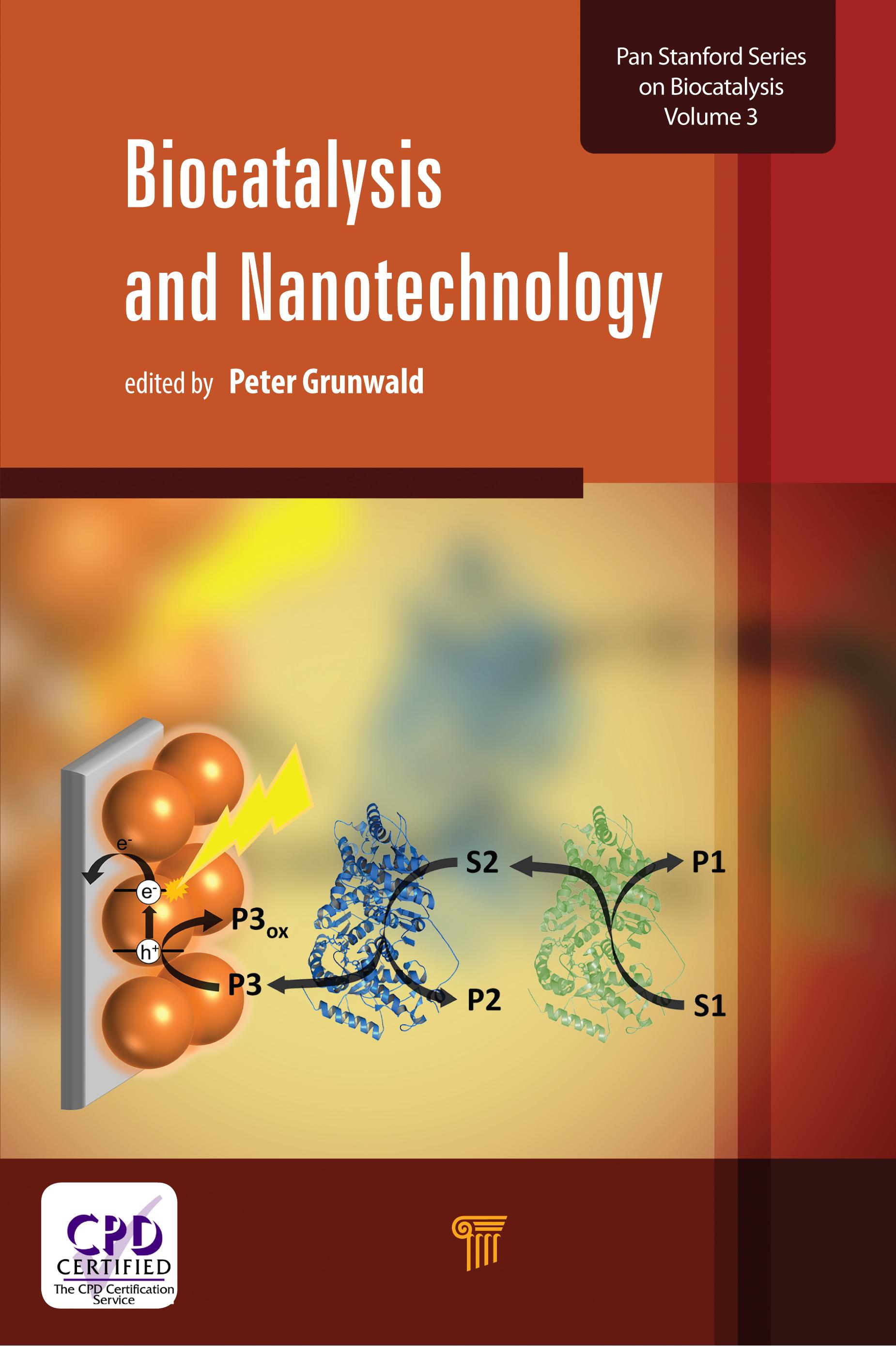
Nanobiocatalysis has rapidly developed into a subarea of enzyme biotechnology. It combines the advances in nanotechnology that have generated nanoscale materials of different sizes, shapes, and physicochemical properties, and the excellent characteristics of biocatalysts into an innovative technology. This book provides an overview of the various relations between nanotechnology and biocatalysis. It discusses the fabrication and application of nanomaterials for the immobilization of enzymes used in the sustainable production of goods and chemicals. Nanosupports have several advantages compared with bulk solid materials because of their high surface area, which results in a significantly reduced mass transfer limitation and comparatively high enzyme loading. These characteristics are also of great use for applications in the fields of enzymatic biosensors, biofuel cells, bioelectronics, and photoelectrochemical analyte detection, where conductive nanomaterials improve the rate of electron transfer. The book also presents an overview of nanotoxicology and covers nanostructured enzyme catalysis in organic solvents and its potential application for biodiesel production, probing of enzymatic activity, and identification of enzyme functions of inorganic nanoparticles as enzyme mimics.
Payez facilement par carte, Klarna, Apple Pay ou Google Pay. Pas satisfait ? Vous avez toujours une garantie de remboursement de 14 jours. En savoir plus dans nos conditions. Si vous avez des questions, envoyez-nous un e-mail à hello@memmo.org.
Memmo facilite tes études, où que tu sois dans le monde. On rassemble tes manuels de cours et des outils d'étude intelligents au même endroit : résumés, quiz, podcasts et flashcards. Et il y a Ted, ton compagnon d'étude qui répond à toutes tes questions. Plus de 50 000 étudiants étudient déjà ici – conçu pour t'aider à apprendre plus vite et à moins stresser.