
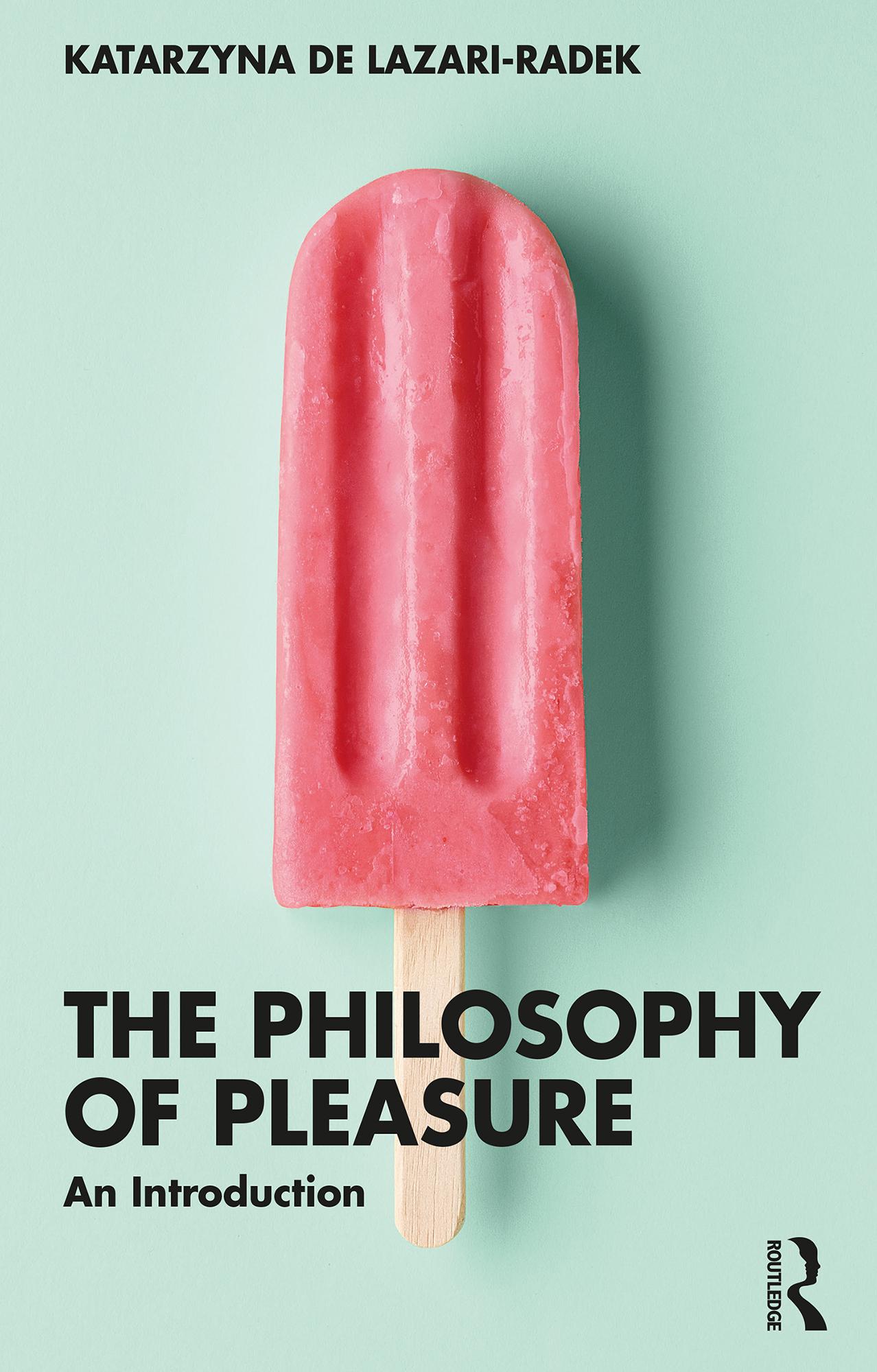
The experience of pleasure, alongside pain, is a primary element of human life. It rules our instincts and desires for food, sex and avoiding various forms of harm. Crucial to psychological and social well-being, it has preoccupied philosophers from Aristotle to John Stuart Mill and plays a fundamental role in moral and ethical theory, especially utilitarianism. More recently, it has become a central subject for psychologists, biologists and neuroscientists.
Yet it remains an elusive and deceptively difficult concept. What is pleasure? How does it differ from happiness? Should we value pleasure? Should we value only pleasure? Which theories of pleasure are most plausible? In this rigorous and comprehensive introduction to the topic, Katarzyna de Lazari-Radek unpacks and assesses these questions and many more, including:
- The history of pleasure from ancient China, India and Greece to modern times
- Pleasure, sensation, feeling and consciousness
- What scientific research reveals about the nature of pleasure – can pleasure be measured scientifically?
- "Higher" and "lower" pleasures
- The relation between happiness and pleasure
- Pleasure and pain
- Pleasure and animals
- Pleasure as an ultimate good and the relation between pleasure and rationality.
The Philosophy of Pleasure: An Introduction is essential reading for students of ethics and political philosophy, and also suitable for those studying related disciplines such as psychology, politics and sociology.
Payez facilement par carte, Klarna, Apple Pay ou Google Pay. Pas satisfait ? Vous avez toujours une garantie de remboursement de 14 jours. En savoir plus dans nos conditions. Si vous avez des questions, envoyez-nous un e-mail à hello@memmo.org.
Memmo facilite tes études, où que tu sois dans le monde. On rassemble tes manuels de cours et des outils d'étude intelligents au même endroit : résumés, quiz, podcasts et flashcards. Et il y a Ted, ton compagnon d'étude qui répond à toutes tes questions. Plus de 50 000 étudiants étudient déjà ici – conçu pour t'aider à apprendre plus vite et à moins stresser.