
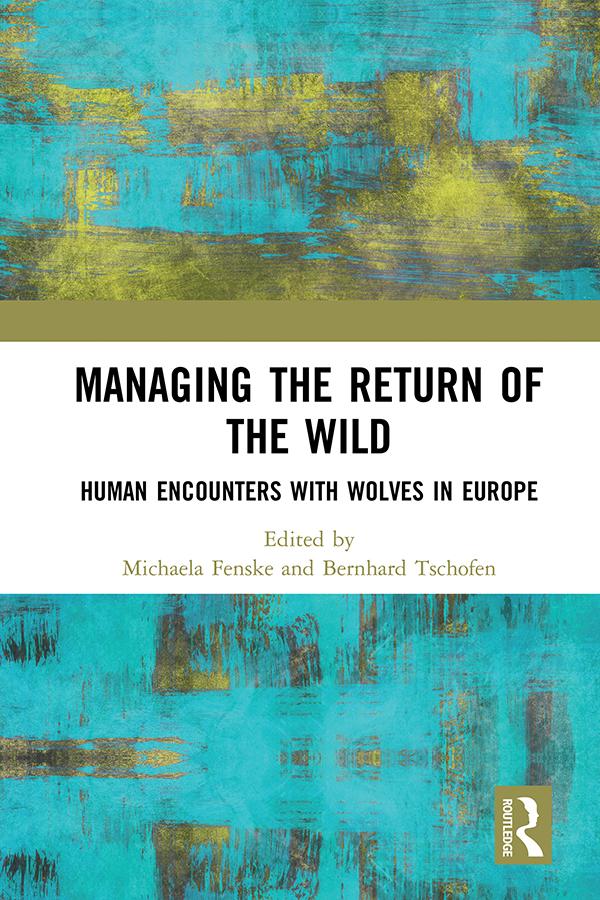
This book explores attitudes and strategies towards the return of the wild in times of ecological crisis, focusing on wolves in Europe.
The contributions from a variety of disciplines discuss human encounters with wolves, engaging with traditional narratives and contemporary conflicts. Covering a range of geographical areas, the case studies featured demonstrate the tremendous impact of the return of the wolf in European societies. Wolves are a keystone species that exemplify humanity’s relation to what is called nature and their return generates powerful debates about what ‘nature’ actually is and how much it is needed or should be permitted to exist. The book considers the return of the wild as a catalyst for fundamental socio-biological changes of the world within human societies, and the various responses of humans to wolves demonstrate both our potential and limitations when it comes to multispecies communities and negotiating societal change.
Managing the Return of the Wild will be relevant to a broad audience interested in discussions of social and ecological conflict today, including scholars from multispecies studies and diverse disciplines such as biology, forestry management and folklore studies.
Payez facilement par carte, Klarna, Apple Pay ou Google Pay. Pas satisfait ? Vous avez toujours une garantie de remboursement de 14 jours. En savoir plus dans nos conditions. Si vous avez des questions, envoyez-nous un e-mail à hello@memmo.org.
Memmo facilite tes études, où que tu sois dans le monde. On rassemble tes manuels de cours et des outils d'étude intelligents au même endroit : résumés, quiz, podcasts et flashcards. Et il y a Ted, ton compagnon d'étude qui répond à toutes tes questions. Plus de 50 000 étudiants étudient déjà ici – conçu pour t'aider à apprendre plus vite et à moins stresser.