
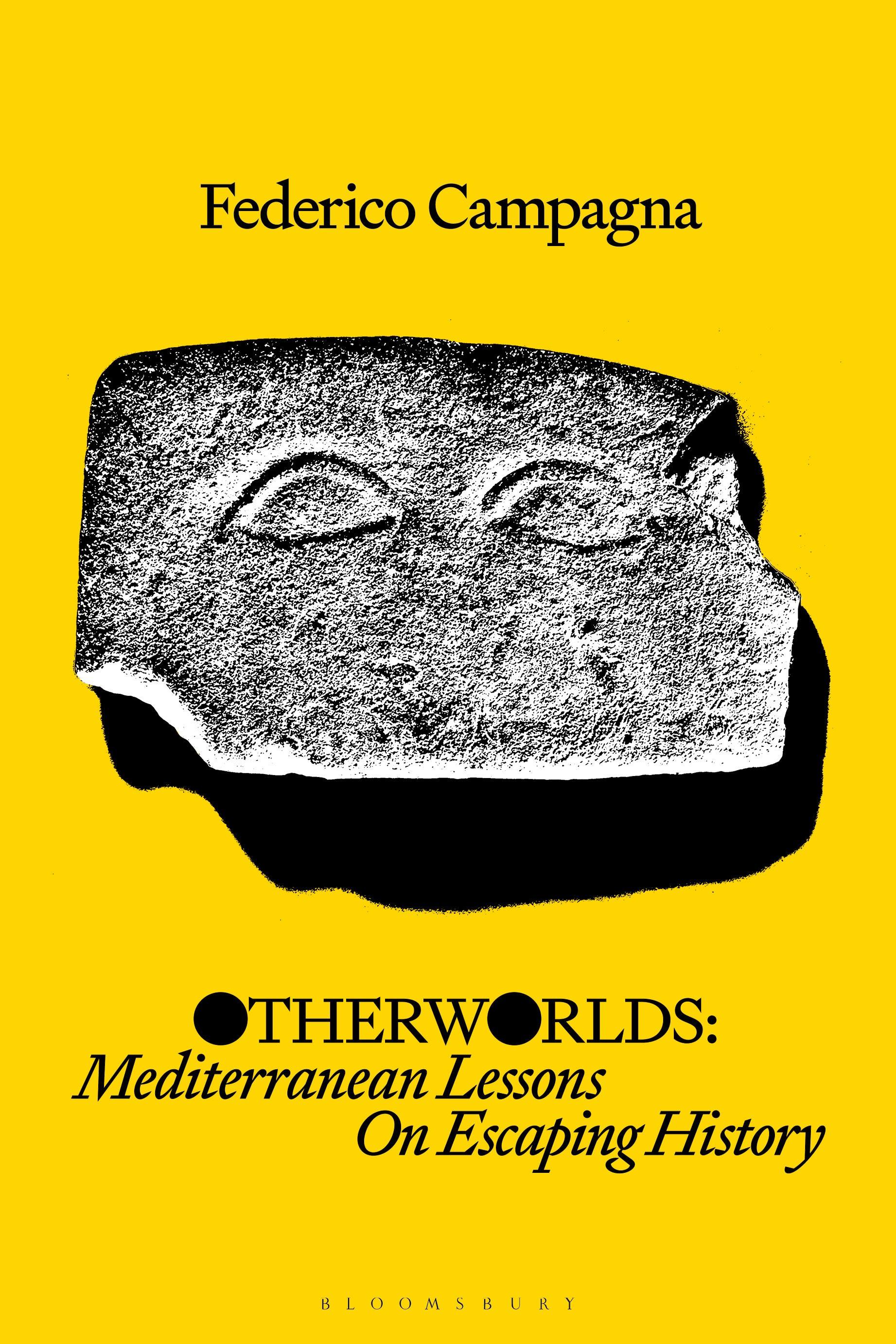
What can survive the end of the world?
In Otherworlds, philosopher Federico Campagna constructs extraordinary stories and alternative histories of the Mediterranean, nexus of migrations and odysseys, ruins and romances, to depict a world in which the imagination is the only engine of survival.
Chapter by chapter, Campagna chronicles the existential challenges posed by history and the inventive and radical responses of people facing the ruin of their world. From the earliest myths with which the inhabitants of the kingdoms around the Mediterranean constructed a shared social reality, the stories of the Mediterranean are dominated by cataclysm and collapse in which fugitive fragments become the building blocks of resilience and renewal. Alexander the Great's cataclysmic conquests seed a cycle of existential romances; pagan philosophers fleeing the fall of Rome give rise to new visions of reality; translators across the Islamic world, Iberia and Italy use stories to bridge the gap between cultures at war and pirates, slaves, renegades and publishers expand the imaginative horizons of human possibility through modernity and beyond.
In Campagna's lyrical, novel and expansive work – part history, part philosophy, part love letter to a heritage of seasonal migration and searches for belonging – the challenges of disintegration and destruction are time and again met with the creation of new and radical realities. As rich and various as the philosophy, myths, literature and art of the Mediterranean itself, Otherworlds traces the tales of these attempts to reinvent the world – and reveals how, at the most dramatic and decisive junctures of Mediterranean history, it was the ability to set sail for these other worlds which prevailed
In Otherworlds, philosopher Federico Campagna constructs extraordinary stories and alternative histories of the Mediterranean, nexus of migrations and odysseys, ruins and romances, to depict a world in which the imagination is the only engine of survival.
Chapter by chapter, Campagna chronicles the existential challenges posed by history and the inventive and radical responses of people facing the ruin of their world. From the earliest myths with which the inhabitants of the kingdoms around the Mediterranean constructed a shared social reality, the stories of the Mediterranean are dominated by cataclysm and collapse in which fugitive fragments become the building blocks of resilience and renewal. Alexander the Great's cataclysmic conquests seed a cycle of existential romances; pagan philosophers fleeing the fall of Rome give rise to new visions of reality; translators across the Islamic world, Iberia and Italy use stories to bridge the gap between cultures at war and pirates, slaves, renegades and publishers expand the imaginative horizons of human possibility through modernity and beyond.
In Campagna's lyrical, novel and expansive work – part history, part philosophy, part love letter to a heritage of seasonal migration and searches for belonging – the challenges of disintegration and destruction are time and again met with the creation of new and radical realities. As rich and various as the philosophy, myths, literature and art of the Mediterranean itself, Otherworlds traces the tales of these attempts to reinvent the world – and reveals how, at the most dramatic and decisive junctures of Mediterranean history, it was the ability to set sail for these other worlds which prevailed
Payez facilement par carte, Klarna, Apple Pay ou Google Pay. Pas satisfait ? Vous avez toujours une garantie de remboursement de 14 jours. En savoir plus dans nos conditions. Si vous avez des questions, envoyez-nous un e-mail à hello@memmo.org.
Memmo facilite tes études, où que tu sois dans le monde. On rassemble tes manuels de cours et des outils d'étude intelligents au même endroit : résumés, quiz, podcasts et flashcards. Et il y a Ted, ton compagnon d'étude qui répond à toutes tes questions. Plus de 50 000 étudiants étudient déjà ici – conçu pour t'aider à apprendre plus vite et à moins stresser.