
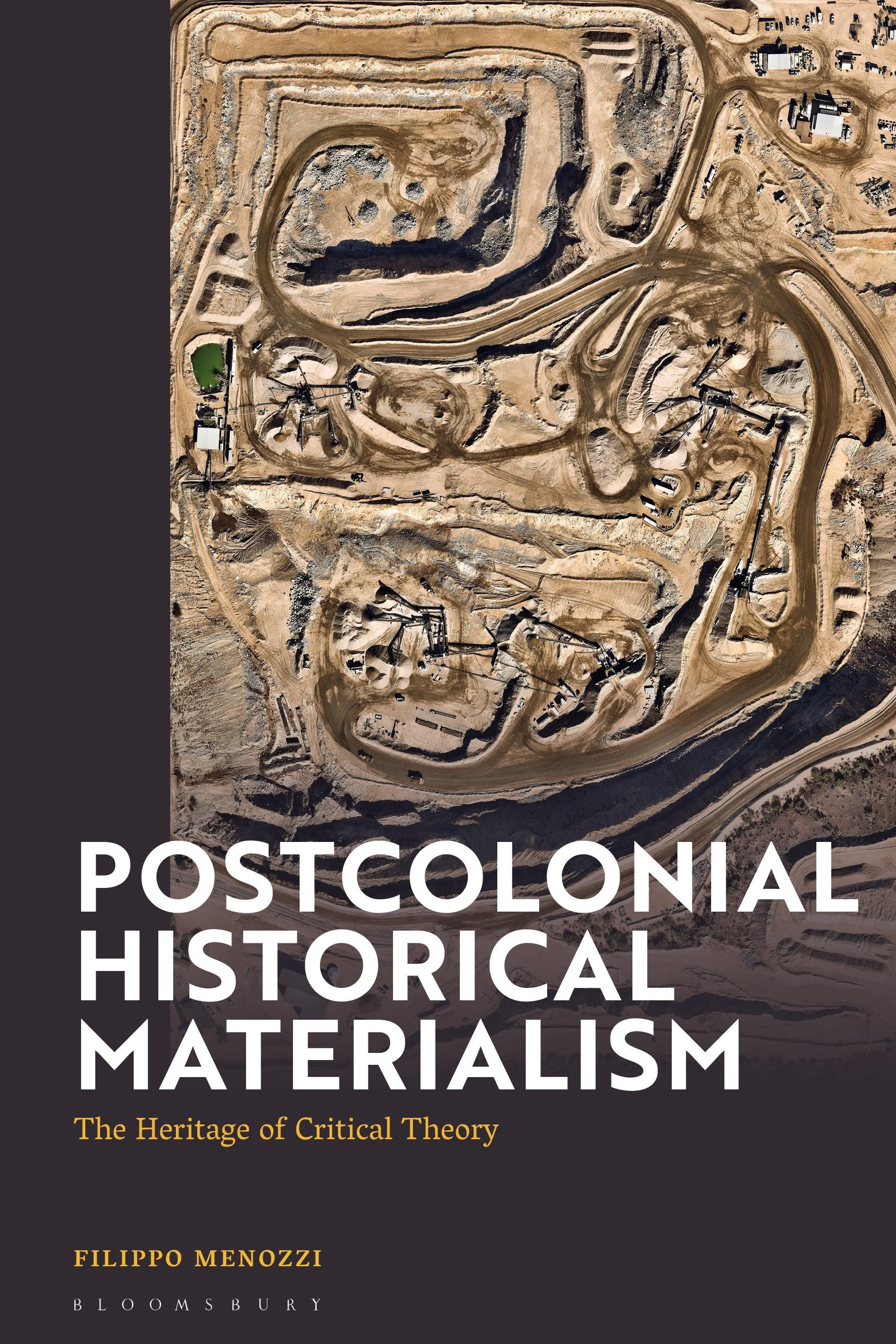
Through a reappraisal of the work of four major figures in critical theory – Ernst Bloch, Georg Lukács, Theodor Adorno, and Walter Benjamin – Filippo Menozzi rethinks the tradition of critical theory in relation to pressing concerns in postcolonial studies.
Revealing these authors' continued relevance to urgent issues in the 21st century, from struggles against racism to social movements and the transmutations of global capitalism, Menozzi reimagines them as central to an alternative genealogy of critical theory that moves beyond their European provenance and the limitations of “Western Marxism”. In doing so, this book challenges, more broadly, the view of critical theory as steeped in Eurocentrism, culturally conservative, and politically defeatist. Contesting this in four chapters, Postcolonial Historical Materialism inserts Adorno, Lukács, Bloch, and Benjamin into key contemporary sites of militancy and debate.
Engaging with a wide range of European and non-European sources, Menozzi proposes a new concept of “postcolonial historical materialism”, indicating how the heritage of critical theory can reopen global possibilities of utopia and revolution in a non-utopian age of global emergencies, social unrest, and the unfinished history of decolonisation.
Revealing these authors' continued relevance to urgent issues in the 21st century, from struggles against racism to social movements and the transmutations of global capitalism, Menozzi reimagines them as central to an alternative genealogy of critical theory that moves beyond their European provenance and the limitations of “Western Marxism”. In doing so, this book challenges, more broadly, the view of critical theory as steeped in Eurocentrism, culturally conservative, and politically defeatist. Contesting this in four chapters, Postcolonial Historical Materialism inserts Adorno, Lukács, Bloch, and Benjamin into key contemporary sites of militancy and debate.
Engaging with a wide range of European and non-European sources, Menozzi proposes a new concept of “postcolonial historical materialism”, indicating how the heritage of critical theory can reopen global possibilities of utopia and revolution in a non-utopian age of global emergencies, social unrest, and the unfinished history of decolonisation.
Payez facilement par carte, Klarna, Apple Pay ou Google Pay. Pas satisfait ? Vous avez toujours une garantie de remboursement de 14 jours. En savoir plus dans nos conditions. Si vous avez des questions, envoyez-nous un e-mail à hello@memmo.org.
Memmo facilite tes études, où que tu sois dans le monde. On rassemble tes manuels de cours et des outils d'étude intelligents au même endroit : résumés, quiz, podcasts et flashcards. Et il y a Ted, ton compagnon d'étude qui répond à toutes tes questions. Plus de 50 000 étudiants étudient déjà ici – conçu pour t'aider à apprendre plus vite et à moins stresser.