
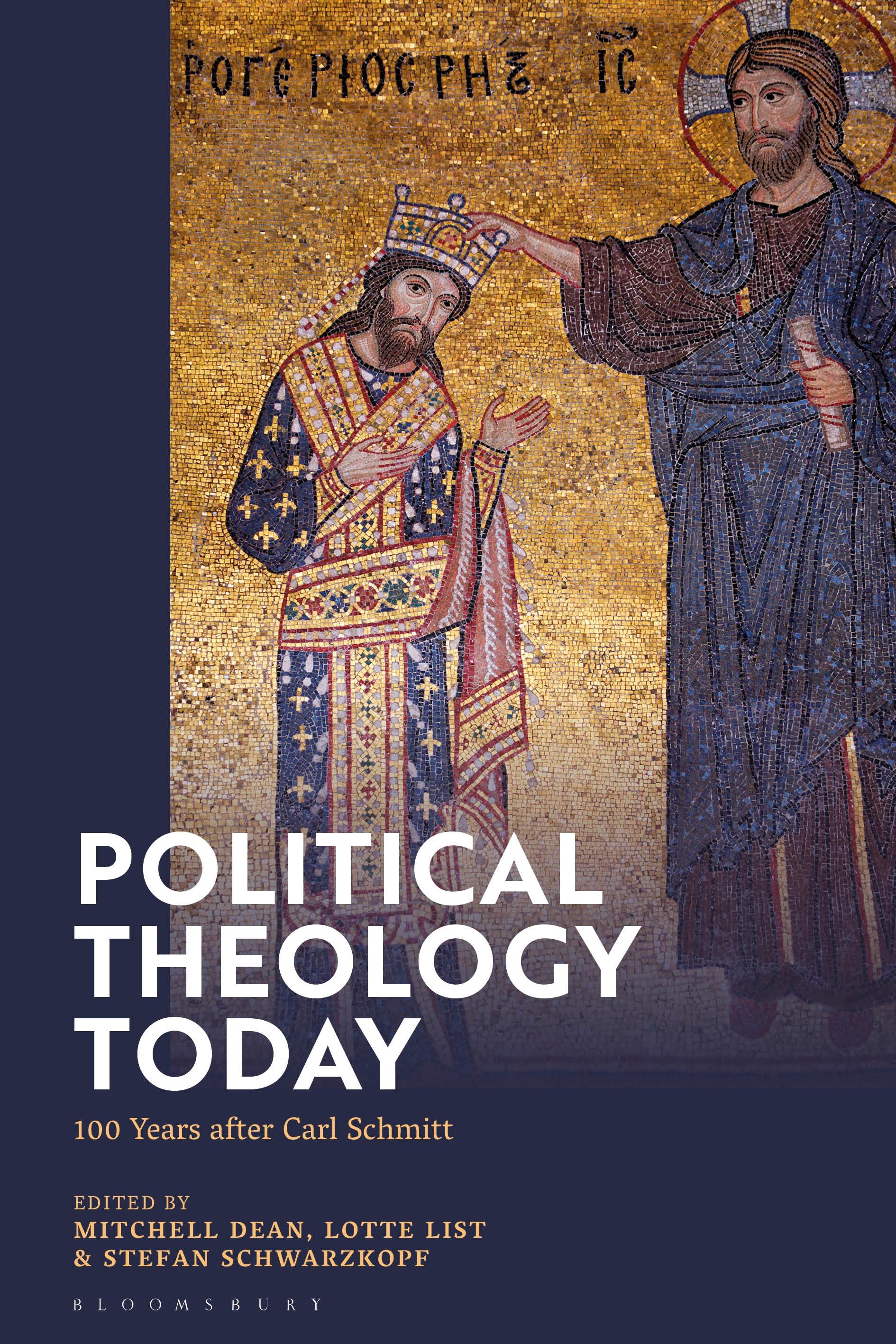
Almost 100 years have passed since Carl Schmitt gave his controversial definition of the sovereign as the one who decides on the exception in his by now classic Political Theology (1922). Written at a time of crisis, the book sought to establish the institution of sovereignty, not from within a well-functioning governing machine of the state in a situation of normality, but rather as the minimal condition of state order in the moment of governmental breakdown. The book appeared anachronistic already at its publication. Schmitt went against Max Weber's popular thesis defining secularization as a disenchantment of the world characterizing modern societies, and instead suggested that the concepts of modern politics mirrored a metaphysics originating in Christianity and the church. Nevertheless, the concept of political theology has in recent years seen a revival as a field of research in philosophy as well as political theory, as studies in the theological sub-currents of politics, economics and sociality proliferate.
Payez facilement par carte, Klarna, Apple Pay ou Google Pay. Pas satisfait ? Vous avez toujours une garantie de remboursement de 14 jours. En savoir plus dans nos conditions. Si vous avez des questions, envoyez-nous un e-mail à hello@memmo.org.
Memmo facilite tes études, où que tu sois dans le monde. On rassemble tes manuels de cours et des outils d'étude intelligents au même endroit : résumés, quiz, podcasts et flashcards. Et il y a Ted, ton compagnon d'étude qui répond à toutes tes questions. Plus de 50 000 étudiants étudient déjà ici – conçu pour t'aider à apprendre plus vite et à moins stresser.