
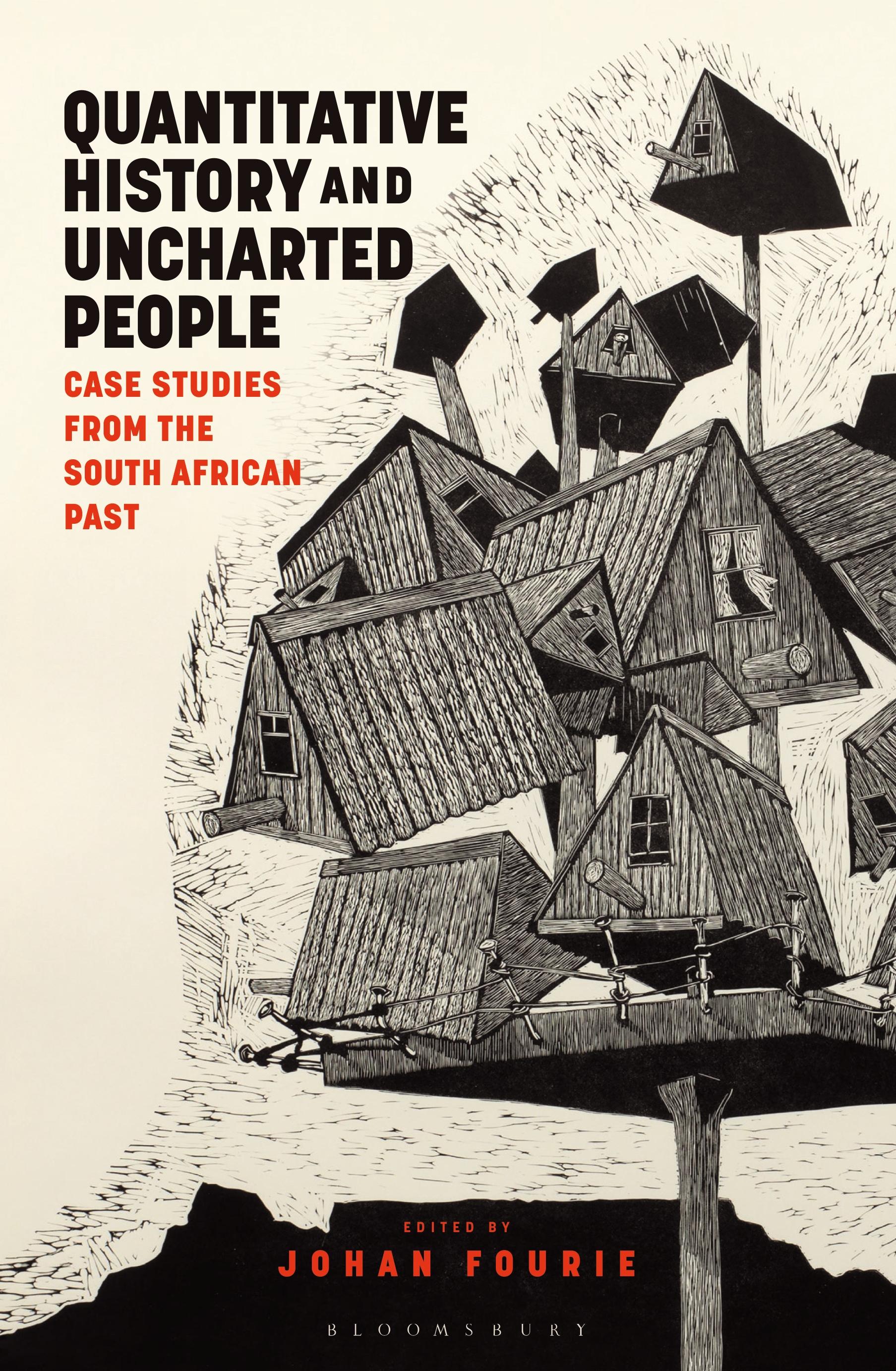
One of the biggest challenges in the study of history is the unreliable nature of traditional archival sources which omit histories of marginalised groups. This book makes the case that quantitative history offers a way to fill these gaps in the archive.
Showcasing 13 case studies from the South African past, it applies quantitative sources, tools and methods to social histories from below to uncover the experiences of unchartered peoples. Examining the occupations of slaves, victims of the Spanish flu, health of schoolchildren and more, it shows how quantitative tools can be particularly powerful in regions where historical records are preserved, but questions of bias and prejudice pervade. Applying methods such as GIS mapping, network analysis and algorithmic matching techniques it explores histories of indigenous peoples, women, enslaved peoples and other groups marginalised in South African history.
Connecting quantitative sources and new forms of data interpretation with a narrative social history, this book offers a fresh approach to quantitative methods and shows how they can be used to achieve a more complete picture of the past.
Showcasing 13 case studies from the South African past, it applies quantitative sources, tools and methods to social histories from below to uncover the experiences of unchartered peoples. Examining the occupations of slaves, victims of the Spanish flu, health of schoolchildren and more, it shows how quantitative tools can be particularly powerful in regions where historical records are preserved, but questions of bias and prejudice pervade. Applying methods such as GIS mapping, network analysis and algorithmic matching techniques it explores histories of indigenous peoples, women, enslaved peoples and other groups marginalised in South African history.
Connecting quantitative sources and new forms of data interpretation with a narrative social history, this book offers a fresh approach to quantitative methods and shows how they can be used to achieve a more complete picture of the past.
Payez facilement par carte, Klarna, Apple Pay ou Google Pay. Pas satisfait ? Vous avez toujours une garantie de remboursement de 14 jours. En savoir plus dans nos conditions. Si vous avez des questions, envoyez-nous un e-mail à hello@memmo.org.
Memmo facilite tes études, où que tu sois dans le monde. On rassemble tes manuels de cours et des outils d'étude intelligents au même endroit : résumés, quiz, podcasts et flashcards. Et il y a Ted, ton compagnon d'étude qui répond à toutes tes questions. Plus de 50 000 étudiants étudient déjà ici – conçu pour t'aider à apprendre plus vite et à moins stresser.