
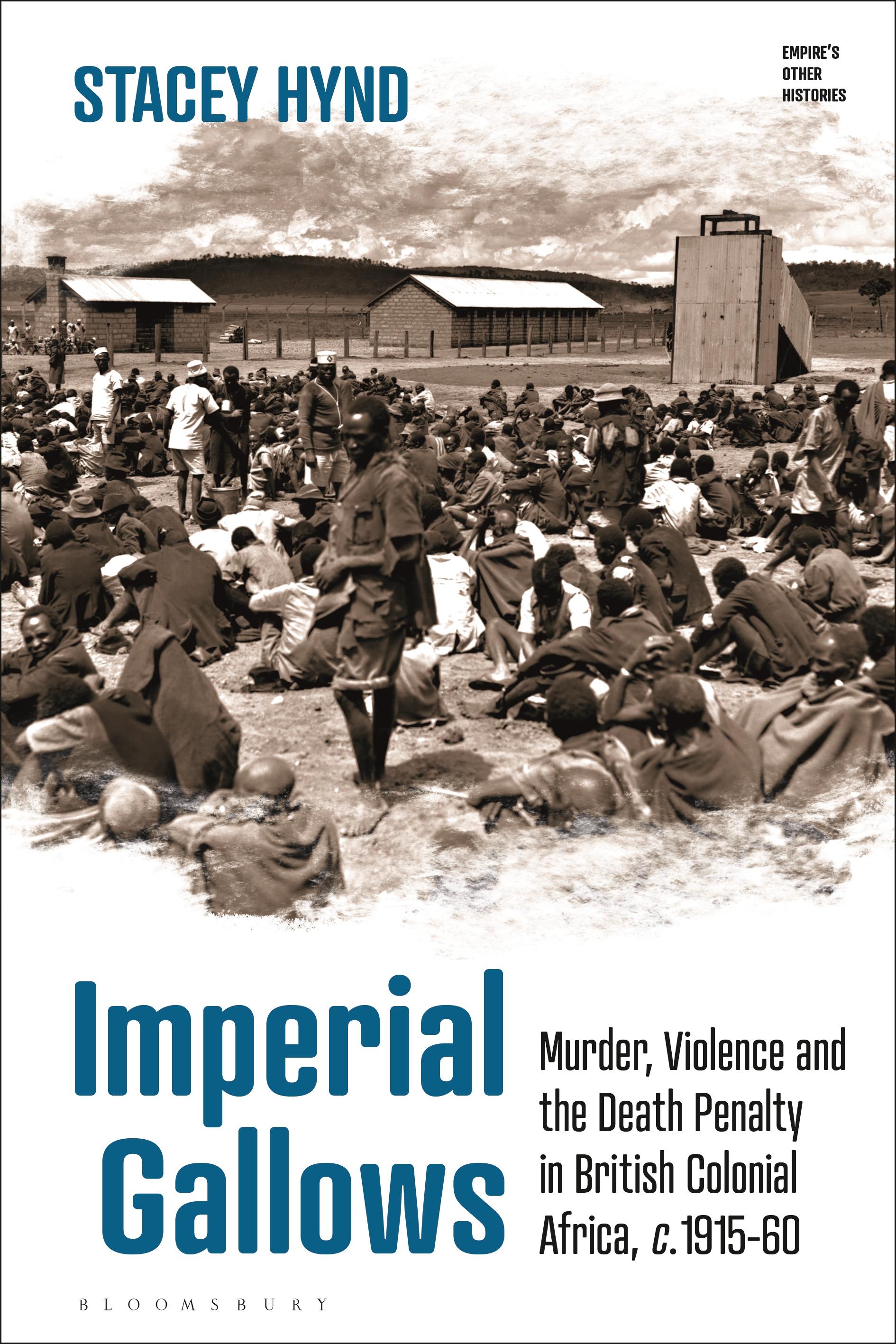
Not just a method of crime control or individual punishment in Britain's African territories, the death penalty was an integral aspect of colonial networks of power and violence. Imperial Gallows analyses capital trials from Kenya, Nyasaland and the Gold Coast to explore the social tensions that fueled murder among colonised populations, and how colonial legal cultures and landscapes of political authority shaped sentencing and mercy. It demonstrates how ideas of race, ethnicity, gender and 'civilization' could both spare and condemn Africans convicted of murder in colonial courts, and also how Africans could either appropriate or resist such colonial legal discourses in their trials and petitions.
In this book, Stacey Hynd follows the whole process of capital punishment from the identification of a murder victim to trial and conviction, through the process of mercy and sentencing onto death row and execution. The scandals that erupted over the death penalty, from botched executions and moral panics over ritual murder, to the hanging of anti-colonial rebels for 'terrorist' and emergency offences, provide significant insights into the shifting moral and political economies of colonial violence. This monograph contextualises the death penalty within the wider penal systems and coercive networks of British colonial Africa to highlight the shifting targets of the imperial gallows against rebels, robbers or domestic murderers. Imperial Gallows demonstrates that while hangings were key elements of colonial iconography in British Africa, symbolically loaded events that demonstrated imperial power and authority, they also reveal the limits of that power.
In this book, Stacey Hynd follows the whole process of capital punishment from the identification of a murder victim to trial and conviction, through the process of mercy and sentencing onto death row and execution. The scandals that erupted over the death penalty, from botched executions and moral panics over ritual murder, to the hanging of anti-colonial rebels for 'terrorist' and emergency offences, provide significant insights into the shifting moral and political economies of colonial violence. This monograph contextualises the death penalty within the wider penal systems and coercive networks of British colonial Africa to highlight the shifting targets of the imperial gallows against rebels, robbers or domestic murderers. Imperial Gallows demonstrates that while hangings were key elements of colonial iconography in British Africa, symbolically loaded events that demonstrated imperial power and authority, they also reveal the limits of that power.
Payez facilement par carte, Klarna, Apple Pay ou Google Pay. Pas satisfait ? Vous avez toujours une garantie de remboursement de 14 jours. En savoir plus dans nos conditions. Si vous avez des questions, envoyez-nous un e-mail à hello@memmo.org.
Memmo facilite tes études, où que tu sois dans le monde. On rassemble tes manuels de cours et des outils d'étude intelligents au même endroit : résumés, quiz, podcasts et flashcards. Et il y a Ted, ton compagnon d'étude qui répond à toutes tes questions. Plus de 50 000 étudiants étudient déjà ici – conçu pour t'aider à apprendre plus vite et à moins stresser.