
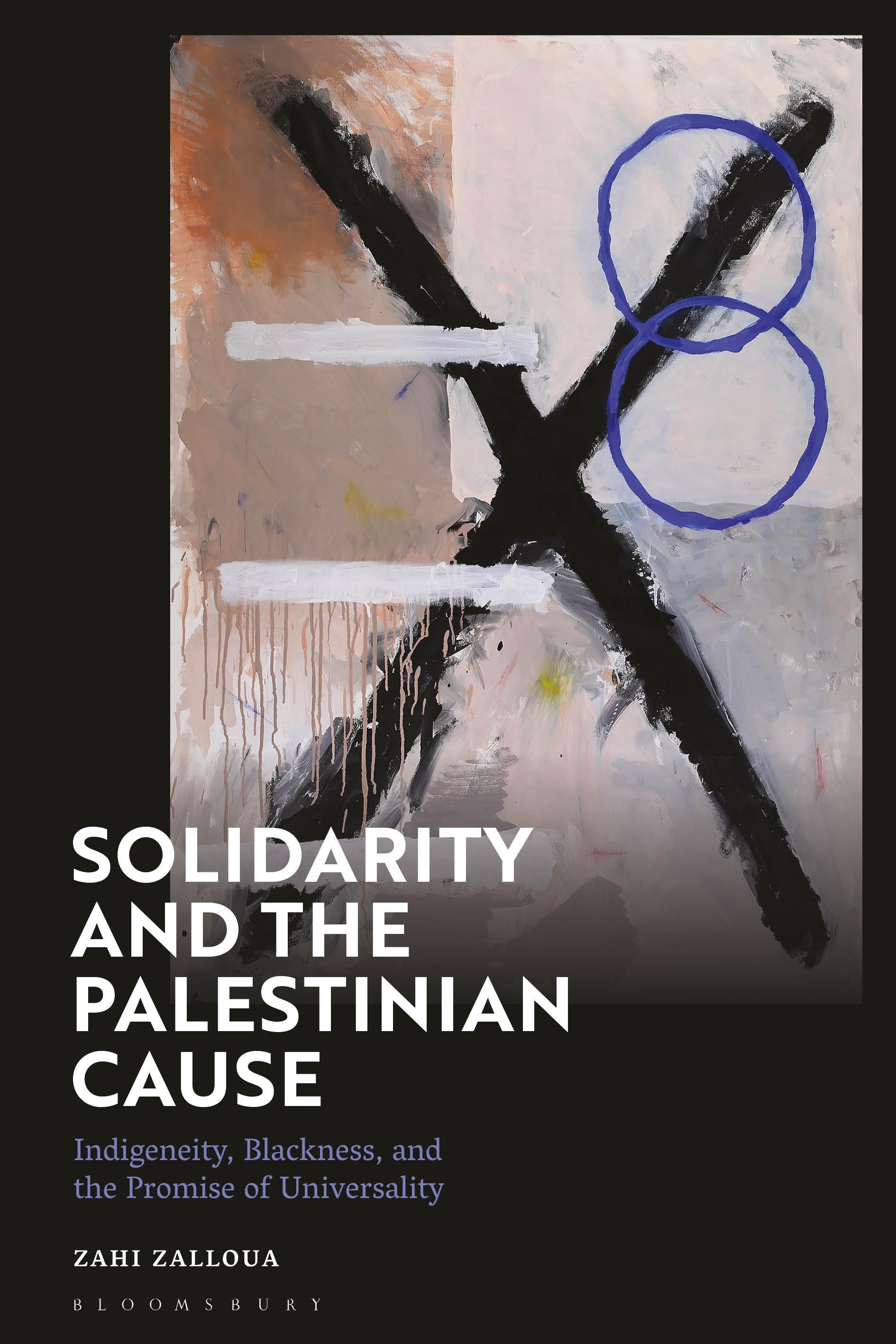
Zahi Zalloua provides the first examination of Palestinian identity from the perspective of Indigeneity and Critical Black Studies. Examining the Palestinian question through the lens of settler colonialism and Indigeneity, this timely book warns against the liberal approach to Palestinian Indigeneity, which reinforces cultural domination, and urgently argues for the universal nature of the Palestinian struggle.
Foregrounding Palestinian Indigeneity reframes the Palestinian-Israeli conflict as a problem of wrongful dispossession, a historical harm that continues to be inflicted on the population under the brutal Occupation of the West Bank and Gaza. At the same time, in a global context marked by liberal democratic ideology, such an approach leads either to liberal tolerance – the minority is permitted to exist so long as their culture can be contained within the majority order – or racial separatism, that is, appeals for national independence typically embodied in the two-state solution.
Solidarity and the Palestinian Cause not only insists that any analysis of Indigeneity's purchase must keep this problem of translation in mind, but also that we must recast the Palestinian struggle as a universal one. As demonstrated by the Palestinian support for such movements as Black Lives Matter, and the reciprocal support Palestinians receive from BLM activists, the Palestinian cause fosters a solidarity of the excluded. This solidarity underscores the interlocking, global struggles for emancipation from racial domination and economic exploitation.
Drawing on key Palestinian voices, including Edward Said and Larissa Sansour, as well as a wide range of influential philosophers such as Slavoj Žižek, Frantz Fanon and Achille Mbembe, Zalloua brings together the Palestinian question, Indigeneity and Critical Black Studies to develop a transformative, anti-racist vision of the world.
Foregrounding Palestinian Indigeneity reframes the Palestinian-Israeli conflict as a problem of wrongful dispossession, a historical harm that continues to be inflicted on the population under the brutal Occupation of the West Bank and Gaza. At the same time, in a global context marked by liberal democratic ideology, such an approach leads either to liberal tolerance – the minority is permitted to exist so long as their culture can be contained within the majority order – or racial separatism, that is, appeals for national independence typically embodied in the two-state solution.
Solidarity and the Palestinian Cause not only insists that any analysis of Indigeneity's purchase must keep this problem of translation in mind, but also that we must recast the Palestinian struggle as a universal one. As demonstrated by the Palestinian support for such movements as Black Lives Matter, and the reciprocal support Palestinians receive from BLM activists, the Palestinian cause fosters a solidarity of the excluded. This solidarity underscores the interlocking, global struggles for emancipation from racial domination and economic exploitation.
Drawing on key Palestinian voices, including Edward Said and Larissa Sansour, as well as a wide range of influential philosophers such as Slavoj Žižek, Frantz Fanon and Achille Mbembe, Zalloua brings together the Palestinian question, Indigeneity and Critical Black Studies to develop a transformative, anti-racist vision of the world.
Payez facilement par carte, Klarna, Apple Pay ou Google Pay. Pas satisfait ? Vous avez toujours une garantie de remboursement de 14 jours. En savoir plus dans nos conditions. Si vous avez des questions, envoyez-nous un e-mail à hello@memmo.org.
Memmo facilite tes études, où que tu sois dans le monde. On rassemble tes manuels de cours et des outils d'étude intelligents au même endroit : résumés, quiz, podcasts et flashcards. Et il y a Ted, ton compagnon d'étude qui répond à toutes tes questions. Plus de 50 000 étudiants étudient déjà ici – conçu pour t'aider à apprendre plus vite et à moins stresser.