
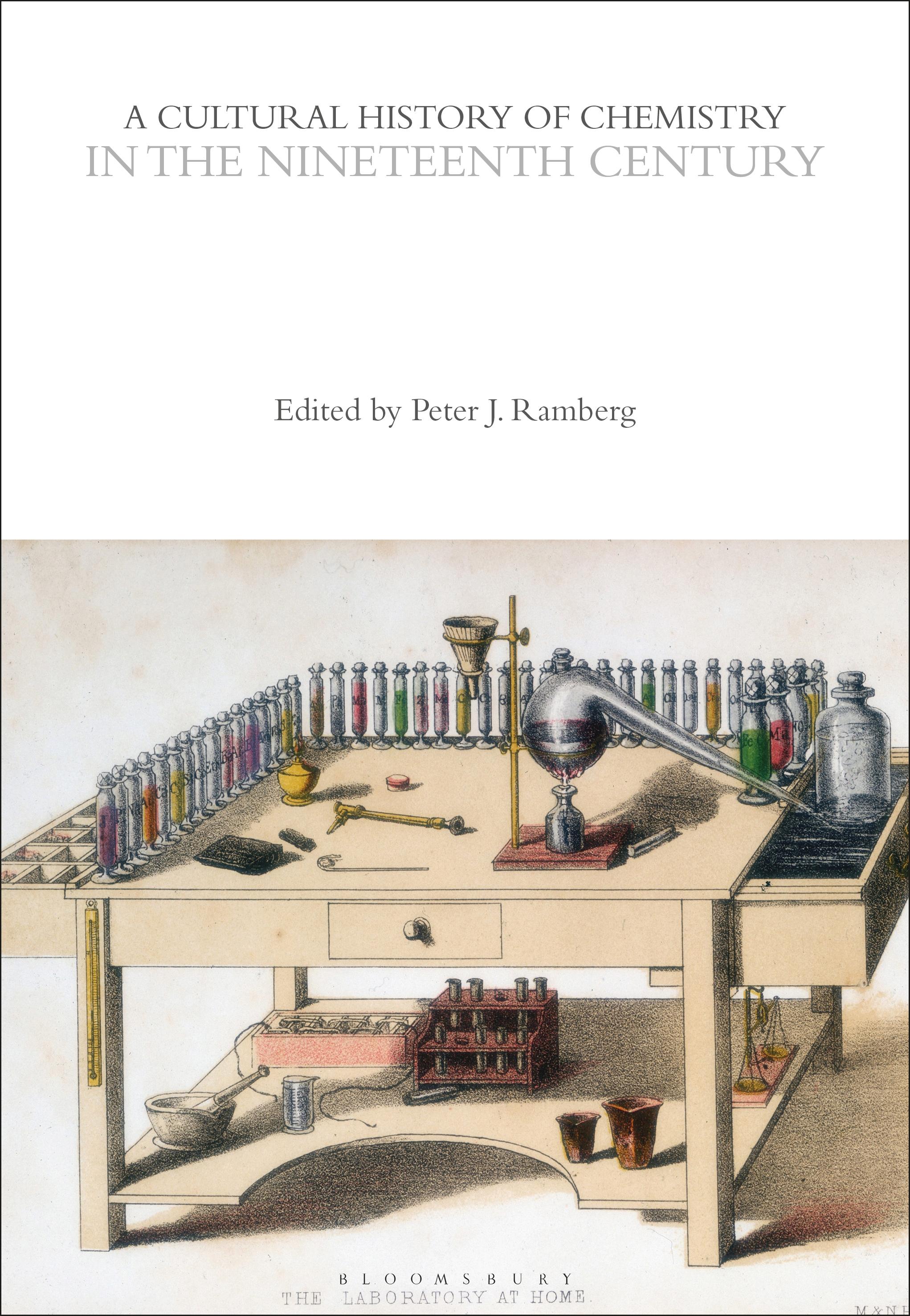
A Cultural History of Chemistry in the Nineteenth Century covers the period from 1815 to 1914 and the birth of modern chemistry. The elaboration of atomic theory - and new ideas of periodicity, structure, bonding, and equilibrium - emerged in tandem with new instruments and practices. The chemical industry expanded exponentially, fuelled by an increasing demand for steel, aluminium, dyestuffs, pharmaceuticals, and consumer goods. And the chemical laboratory became established in its two distinct modern settings of the university and industry. At the turn of the century, the discovery of radioactivity took hold of the public imagination, drawing chemistry closer to physics, even as it threatened to undermine the whole concept of atomism.
The 6 volume set of the Cultural History of Chemistry presents the first comprehensive history from the Bronze Age to today, covering all forms and aspects of chemistry and its ever-changing social context. The themes covered in each volume are theory and concepts; practice and experiment; laboratories and technology; culture and science; society and environment; trade and industry; learning and institutions; art and representation.
Peter J. Ramberg is Professor of the History of Science at Truman State University, USA.
Volume 5 in the Cultural History of Chemistry set.
General Editors: Peter J. T. Morris, University College London, UK, and Alan Rocke, Case Western Reserve University, USA.
The 6 volume set of the Cultural History of Chemistry presents the first comprehensive history from the Bronze Age to today, covering all forms and aspects of chemistry and its ever-changing social context. The themes covered in each volume are theory and concepts; practice and experiment; laboratories and technology; culture and science; society and environment; trade and industry; learning and institutions; art and representation.
Peter J. Ramberg is Professor of the History of Science at Truman State University, USA.
Volume 5 in the Cultural History of Chemistry set.
General Editors: Peter J. T. Morris, University College London, UK, and Alan Rocke, Case Western Reserve University, USA.
Payez facilement par carte, Klarna, Apple Pay ou Google Pay. Pas satisfait ? Vous avez toujours une garantie de remboursement de 14 jours. En savoir plus dans nos conditions. Si vous avez des questions, envoyez-nous un e-mail à hello@memmo.org.
Memmo facilite tes études, où que tu sois dans le monde. On rassemble tes manuels de cours et des outils d'étude intelligents au même endroit : résumés, quiz, podcasts et flashcards. Et il y a Ted, ton compagnon d'étude qui répond à toutes tes questions. Plus de 50 000 étudiants étudient déjà ici – conçu pour t'aider à apprendre plus vite et à moins stresser.