
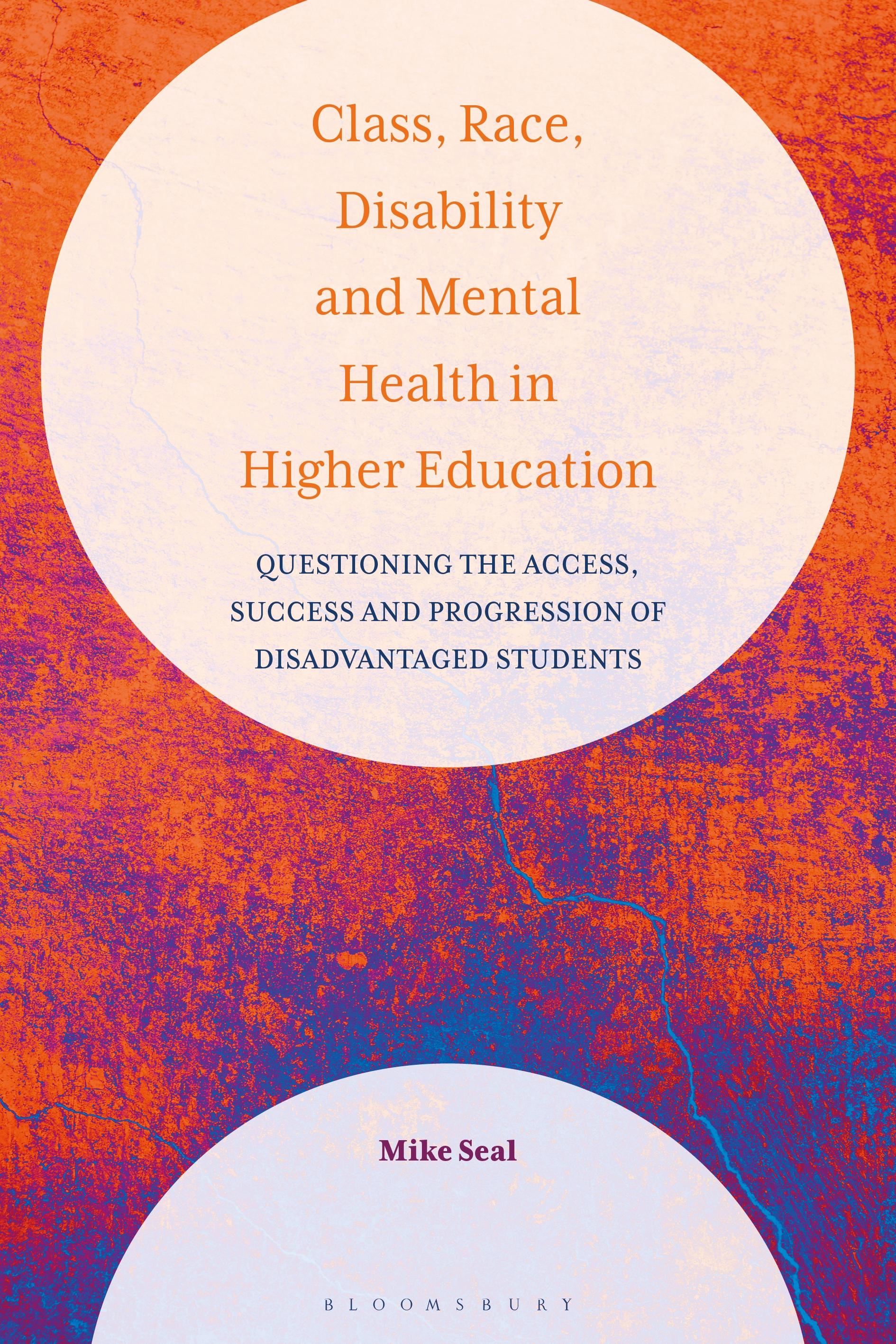
All universities have to produce plans to eliminate the gaps in access, success and participation of disadvantaged student in higher education, setting targets with regards to Global Majority, working class, disabled and student with mental health conditions. In this book, Mike Seal examines the terminology, theoretical debates and positions, identifies the causes of gaps, and evaluates proposed initiatives. He argues that there is an unexamined assumption that higher education is a 'good thing' materially and intellectually, which demonises those for whom this is questionable. The book also highlights the continuing structural and individual discrimination in terms of class, race and disability and a denial of the extent to which higher education is a cause of mental health issues and negative well-being. It uncovers unexamined 'assimilation' models in higher education that expects these students to abandon their culture and communities, despite students wanting to give back to these communities being a major extrinsic motivation, and to embrace a culture that will not embrace them.
The book starts from the perspective that contemporary international higher education reproduces existing privileges, and the book goes on to argue that widening participation agendas should recognise the changing nature of academic life through a more inclusive, holistic approach. Seal argues that it is essential to include an informed understanding of how students position themselves in academia and how their identity and academic status is enabled and developed with the support of the university. In order to do this universities need to redefine their purpose and the nature of their relationships with the communities they purport to serve.
The book starts from the perspective that contemporary international higher education reproduces existing privileges, and the book goes on to argue that widening participation agendas should recognise the changing nature of academic life through a more inclusive, holistic approach. Seal argues that it is essential to include an informed understanding of how students position themselves in academia and how their identity and academic status is enabled and developed with the support of the university. In order to do this universities need to redefine their purpose and the nature of their relationships with the communities they purport to serve.
Payez facilement par carte, Klarna, Apple Pay ou Google Pay. Pas satisfait ? Vous avez toujours une garantie de remboursement de 14 jours. En savoir plus dans nos conditions. Si vous avez des questions, envoyez-nous un e-mail à hello@memmo.org.
Memmo facilite tes études, où que tu sois dans le monde. On rassemble tes manuels de cours et des outils d'étude intelligents au même endroit : résumés, quiz, podcasts et flashcards. Et il y a Ted, ton compagnon d'étude qui répond à toutes tes questions. Plus de 50 000 étudiants étudient déjà ici – conçu pour t'aider à apprendre plus vite et à moins stresser.