
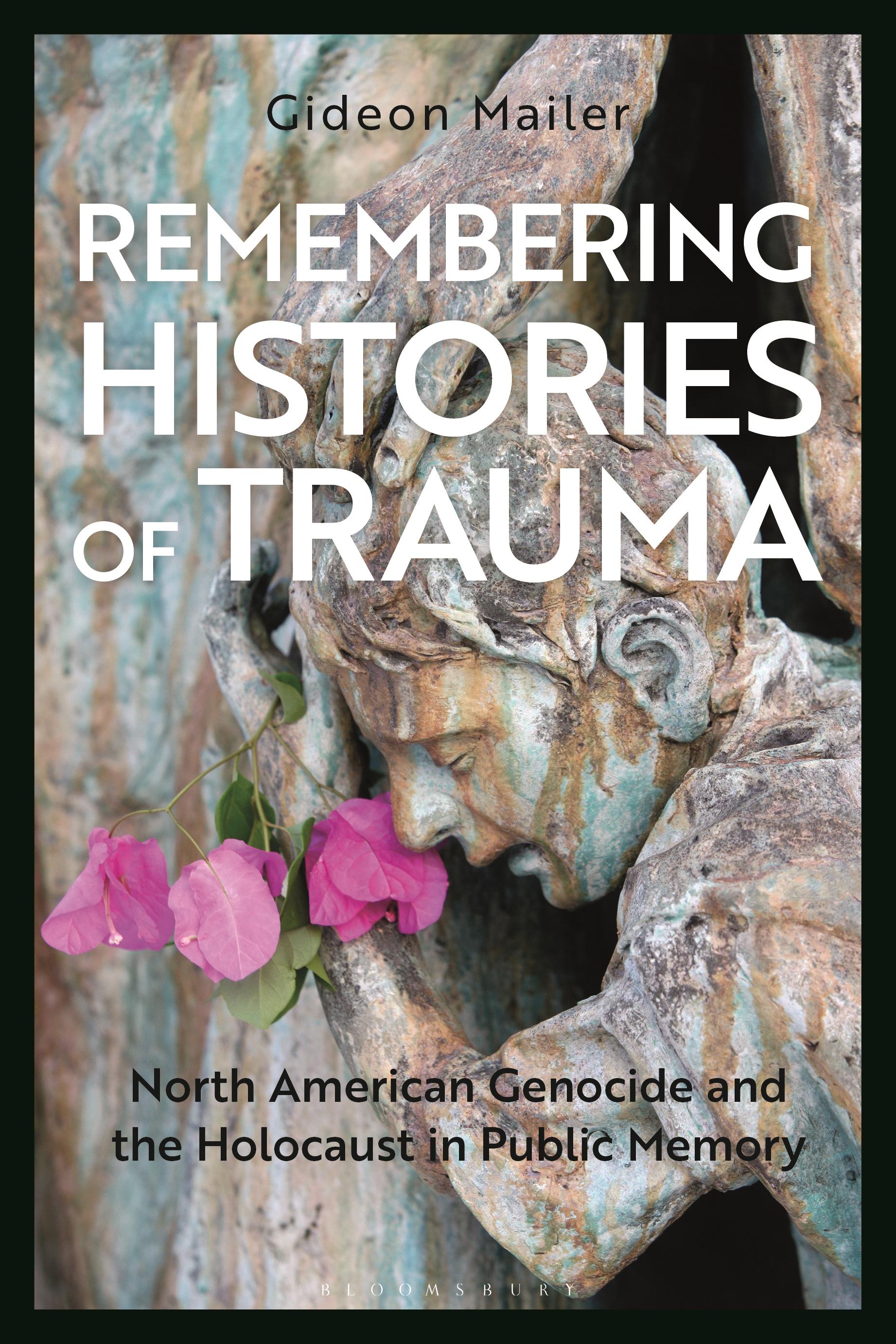
Remembering Histories of Trauma compares and links Native American, First Nation and Jewish histories of traumatic memory. Using source material from both sides of the Atlantic, it examines the differences between ancestral experiences of genocide and the representation of those histories in public sites in the United States, Canada and Europe. Challenging the ways public bodies have used those histories to frame the cultural and political identity of regions, states, and nations, it considers the effects of those representations on internal group memory, external public memory and cultural assimilation.
Offering new ways to understand the Native-Jewish encounter by highlighting shared critiques of public historical representation, Mailer seeks to transcend historical tensions between Native American studies and Holocaust studies. In linking and comparing European and American contexts of historical trauma and their representation in public memory, this book brings Native American studies, Jewish studies, early American history, Holocaust studies, and museum studies into conversation with each other. In revealing similarities in the public representation of Indigenous genocide and the Holocaust it offers common ground for Jewish and Indigenous histories, and provides a new framework to better understand the divergence between traumatic histories and the ways they are memorialized.
Offering new ways to understand the Native-Jewish encounter by highlighting shared critiques of public historical representation, Mailer seeks to transcend historical tensions between Native American studies and Holocaust studies. In linking and comparing European and American contexts of historical trauma and their representation in public memory, this book brings Native American studies, Jewish studies, early American history, Holocaust studies, and museum studies into conversation with each other. In revealing similarities in the public representation of Indigenous genocide and the Holocaust it offers common ground for Jewish and Indigenous histories, and provides a new framework to better understand the divergence between traumatic histories and the ways they are memorialized.
Payez facilement par carte, Klarna, Apple Pay ou Google Pay. Pas satisfait ? Vous avez toujours une garantie de remboursement de 14 jours. En savoir plus dans nos conditions. Si vous avez des questions, envoyez-nous un e-mail à hello@memmo.org.
Memmo facilite tes études, où que tu sois dans le monde. On rassemble tes manuels de cours et des outils d'étude intelligents au même endroit : résumés, quiz, podcasts et flashcards. Et il y a Ted, ton compagnon d'étude qui répond à toutes tes questions. Plus de 50 000 étudiants étudient déjà ici – conçu pour t'aider à apprendre plus vite et à moins stresser.