
Shortlisted for the Alice Davis Hitchcock Medallion 2023
Shortlisted for the Colvin Prize 2023
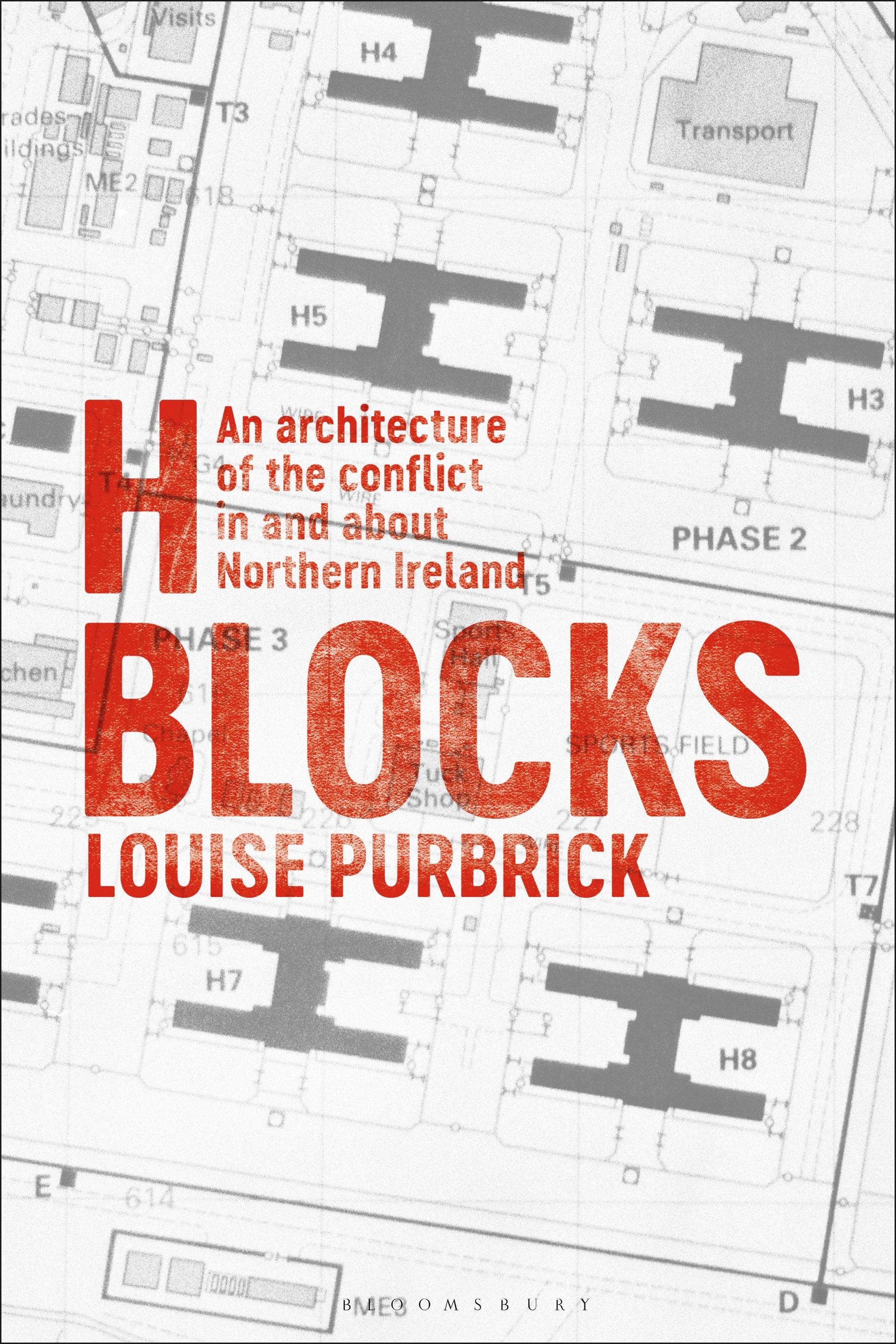
A place of incarceration and liberation, political debate and historical denial, the H Block cell units of Long Kesh/Maze prison in Northern Ireland housed members of both Republican and Loyalist military groups during 'The Troubles' and are now considered 'icons' of that conflict. The H Block's dual status as an articulation of and resistance against power mean that the area is still one of the most contested sites of conflict in Europe.
Based on a long-standing site-specific investigation, and drawing on a range of sources from architectural plans to photographs of street protests, H Blocks explores the material relationship between the prison as a built articulation of power and its inhabitants, highlighting the ethical and political roles that architecture can play in situations of conflict. It also addresses the afterlife of such sites after the end of conflict and how they can adapt to the changing cultural meanings of their space.
The book demonstrates how the conflicted histories of the prison are configured in its design and destruction, and the inhabitation and attempted preservation of the site itself, revealing how its architecture is bound up with questions of power and resistance, embodiment and attachment, witnessing and remembering, the materiality of history and its commodification.
Shortlisted for the Colvin Prize 2023
A place of incarceration and liberation, political debate and historical denial, the H Block cell units of Long Kesh/Maze prison in Northern Ireland housed members of both Republican and Loyalist military groups during 'The Troubles' and are now considered 'icons' of that conflict. The H Block's dual status as an articulation of and resistance against power mean that the area is still one of the most contested sites of conflict in Europe.
Based on a long-standing site-specific investigation, and drawing on a range of sources from architectural plans to photographs of street protests, H Blocks explores the material relationship between the prison as a built articulation of power and its inhabitants, highlighting the ethical and political roles that architecture can play in situations of conflict. It also addresses the afterlife of such sites after the end of conflict and how they can adapt to the changing cultural meanings of their space.
The book demonstrates how the conflicted histories of the prison are configured in its design and destruction, and the inhabitation and attempted preservation of the site itself, revealing how its architecture is bound up with questions of power and resistance, embodiment and attachment, witnessing and remembering, the materiality of history and its commodification.
Payez facilement par carte, Klarna, Apple Pay ou Google Pay. Pas satisfait ? Vous avez toujours une garantie de remboursement de 14 jours. En savoir plus dans nos conditions. Si vous avez des questions, envoyez-nous un e-mail à hello@memmo.org.
Memmo facilite tes études, où que tu sois dans le monde. On rassemble tes manuels de cours et des outils d'étude intelligents au même endroit : résumés, quiz, podcasts et flashcards. Et il y a Ted, ton compagnon d'étude qui répond à toutes tes questions. Plus de 50 000 étudiants étudient déjà ici – conçu pour t'aider à apprendre plus vite et à moins stresser.