
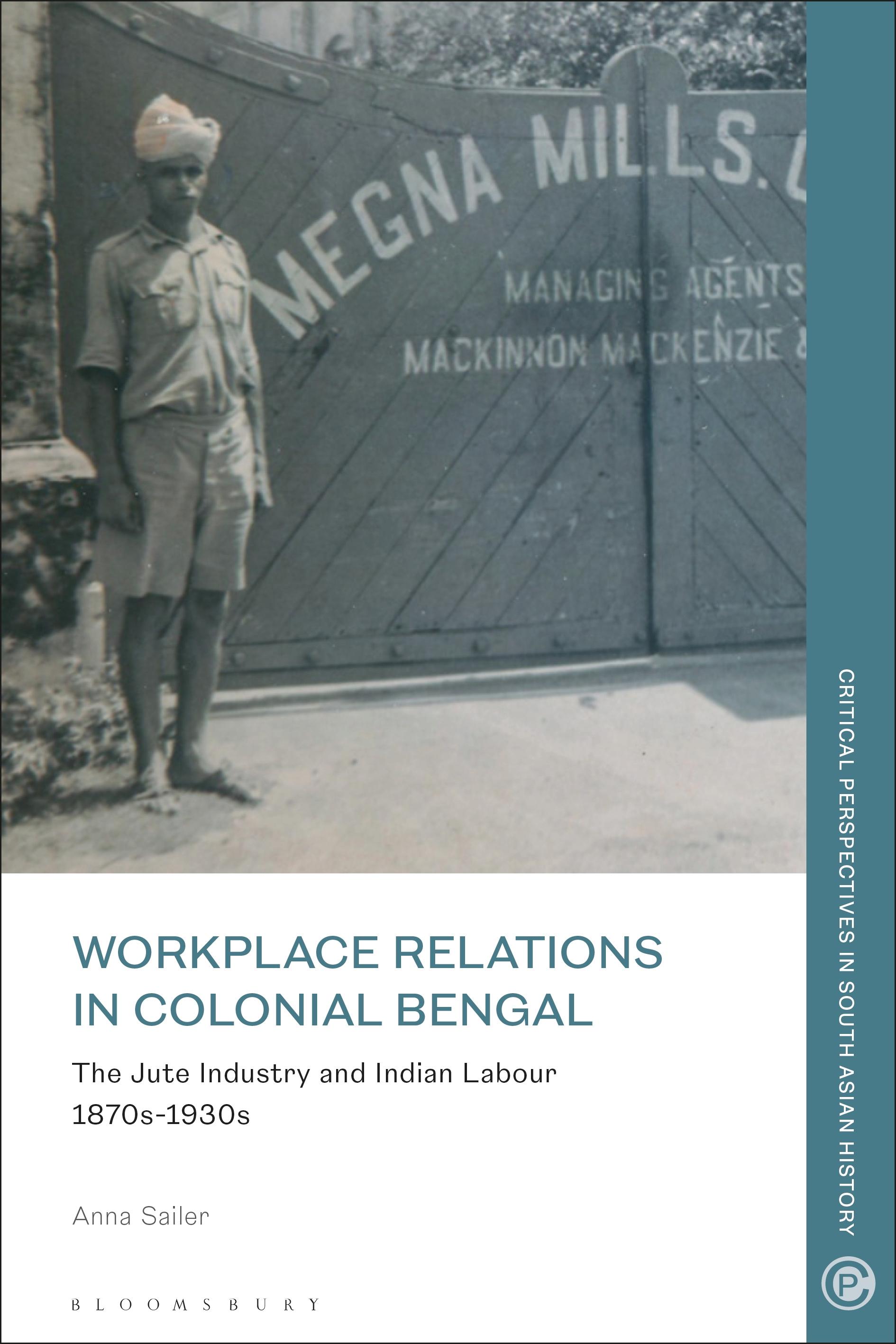
This book connects the history of labour movements with the transformation of workplace relations in South Asia from the late 19th century to the 1930s. Contending that labour conflicts in the Bengal jute industry must be understood against the backdrop of a radical change in the organisation of work in this period, Sailer shows how this led to a rupture in worker's relations in the workplace and beyond.
Moving away from polarities such as class/culture or modernity/tradition and reconsidering the context around industrial conflicts in this period, Workplace relations in Colonial Bengal offers a new framework to analyse the changing organisation of work in colonial India, and identifies the implications for worker relations both inside and outside the factory. Focusing on a major colonial era industry, this book opens up new perspectives n the history of workers and colonial capitalism in modern India.
Moving away from polarities such as class/culture or modernity/tradition and reconsidering the context around industrial conflicts in this period, Workplace relations in Colonial Bengal offers a new framework to analyse the changing organisation of work in colonial India, and identifies the implications for worker relations both inside and outside the factory. Focusing on a major colonial era industry, this book opens up new perspectives n the history of workers and colonial capitalism in modern India.
Payez facilement par carte, Klarna, Apple Pay ou Google Pay. Pas satisfait ? Vous avez toujours une garantie de remboursement de 14 jours. En savoir plus dans nos conditions. Si vous avez des questions, envoyez-nous un e-mail à hello@memmo.org.
Memmo facilite tes études, où que tu sois dans le monde. On rassemble tes manuels de cours et des outils d'étude intelligents au même endroit : résumés, quiz, podcasts et flashcards. Et il y a Ted, ton compagnon d'étude qui répond à toutes tes questions. Plus de 50 000 étudiants étudient déjà ici – conçu pour t'aider à apprendre plus vite et à moins stresser.