
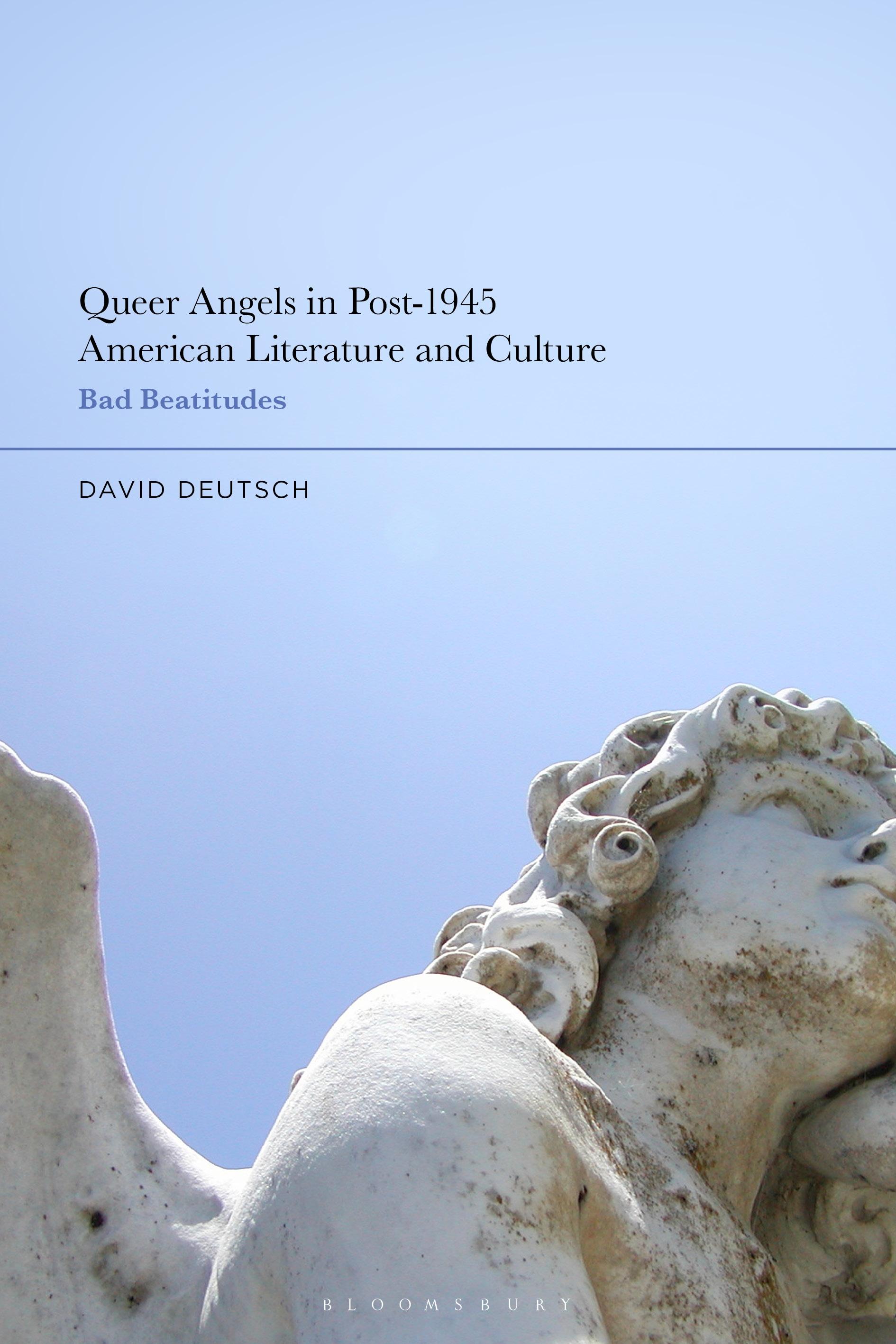
From Allen Ginsberg's 'angel-headed hipsters' to angelic outlaws in Essex Hemphill's Conditions, angelic imagery is pervasive in queer American art and culture. This book examines how the period after 1945 expanded a unique mixture of sacred and profane angelic imagery in American literature and culture to fashion queer characters, primarily gay men, as embodiments of 'bad beatitudes'.
Deutsch explores how authors across diverse ethnic and religious backgrounds, including John Rechy, Richard Bruce Nugent, Allen Ginsberg, and Rabih Alameddine, sought to find the sacred in the profane and the profane in the sacred. Exploring how these writers used the trope of angelic outlaws to celebrate men who rebelled wilfully and nobly against religious, medical, legal and social repression in American society, this book sheds new light on dissent and queer identities in postmodern American literature.
Deutsch explores how authors across diverse ethnic and religious backgrounds, including John Rechy, Richard Bruce Nugent, Allen Ginsberg, and Rabih Alameddine, sought to find the sacred in the profane and the profane in the sacred. Exploring how these writers used the trope of angelic outlaws to celebrate men who rebelled wilfully and nobly against religious, medical, legal and social repression in American society, this book sheds new light on dissent and queer identities in postmodern American literature.
Payez facilement par carte, Klarna, Apple Pay ou Google Pay. Pas satisfait ? Vous avez toujours une garantie de remboursement de 14 jours. En savoir plus dans nos conditions. Si vous avez des questions, envoyez-nous un e-mail à hello@memmo.org.
Memmo facilite tes études, où que tu sois dans le monde. On rassemble tes manuels de cours et des outils d'étude intelligents au même endroit : résumés, quiz, podcasts et flashcards. Et il y a Ted, ton compagnon d'étude qui répond à toutes tes questions. Plus de 50 000 étudiants étudient déjà ici – conçu pour t'aider à apprendre plus vite et à moins stresser.