
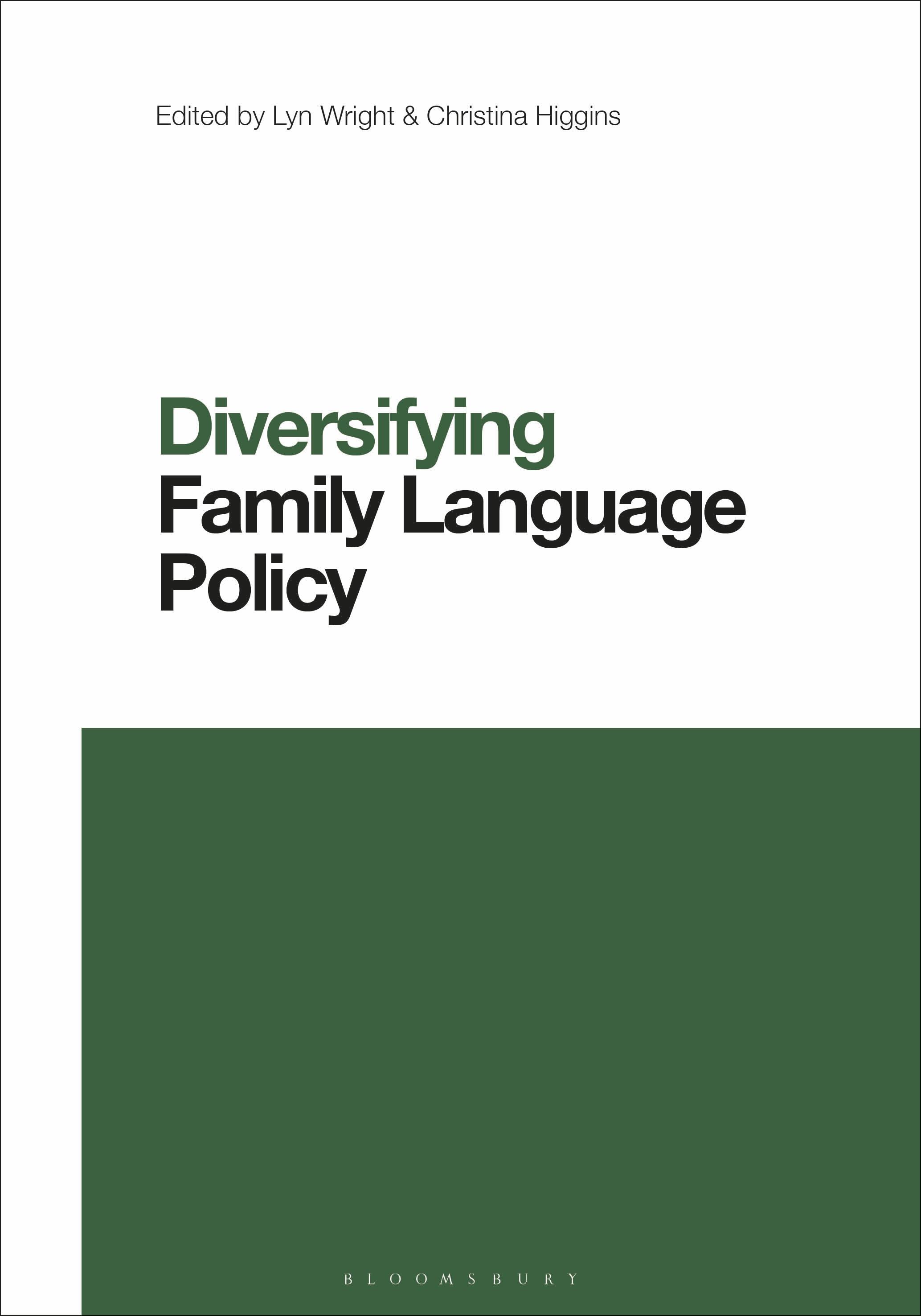
An increasingly important field of research within multilingualism and sociolinguistics, Family Language Policy (FLP) investigates the explicit and overt planning of language use within the home and among family members. However the diverse range of different family units and contexts around the globe necessitates a similarly diverse range of research perspectives which are not yet represented within the field.
Tackling this problem head on, this volume expands the scope of families in FLP research. Bringing together contributors and case studies from every continent, this essential reference broadens lines of inquiry by investigating language practices and ideologies in previously under-researched families. Seeking to better reflect contemporary influences on FLP processes, chapters use innovative methodologies, including digital ethnographies and autoethnography, to explore diverse family configurations (adoptive, LGBTQ+, and single parent), modalities (digital communication and signed languages), and speakers and contexts (adult learners, Indigenous contexts, and new speakers).
Bringing to light the dynamic, fluid nature of family and kinship as well as the important role that multilingualism plays in family members' negotiation of power, agency, and identity construction, Diversifying Family Language Policy is a state-of-the-art reference to contemporary theoretical, methodological and ethical advances in the field of family language policy.
Tackling this problem head on, this volume expands the scope of families in FLP research. Bringing together contributors and case studies from every continent, this essential reference broadens lines of inquiry by investigating language practices and ideologies in previously under-researched families. Seeking to better reflect contemporary influences on FLP processes, chapters use innovative methodologies, including digital ethnographies and autoethnography, to explore diverse family configurations (adoptive, LGBTQ+, and single parent), modalities (digital communication and signed languages), and speakers and contexts (adult learners, Indigenous contexts, and new speakers).
Bringing to light the dynamic, fluid nature of family and kinship as well as the important role that multilingualism plays in family members' negotiation of power, agency, and identity construction, Diversifying Family Language Policy is a state-of-the-art reference to contemporary theoretical, methodological and ethical advances in the field of family language policy.
Payez facilement par carte, Klarna, Apple Pay ou Google Pay. Pas satisfait ? Vous avez toujours une garantie de remboursement de 14 jours. En savoir plus dans nos conditions. Si vous avez des questions, envoyez-nous un e-mail à hello@memmo.org.
Memmo facilite tes études, où que tu sois dans le monde. On rassemble tes manuels de cours et des outils d'étude intelligents au même endroit : résumés, quiz, podcasts et flashcards. Et il y a Ted, ton compagnon d'étude qui répond à toutes tes questions. Plus de 50 000 étudiants étudient déjà ici – conçu pour t'aider à apprendre plus vite et à moins stresser.