
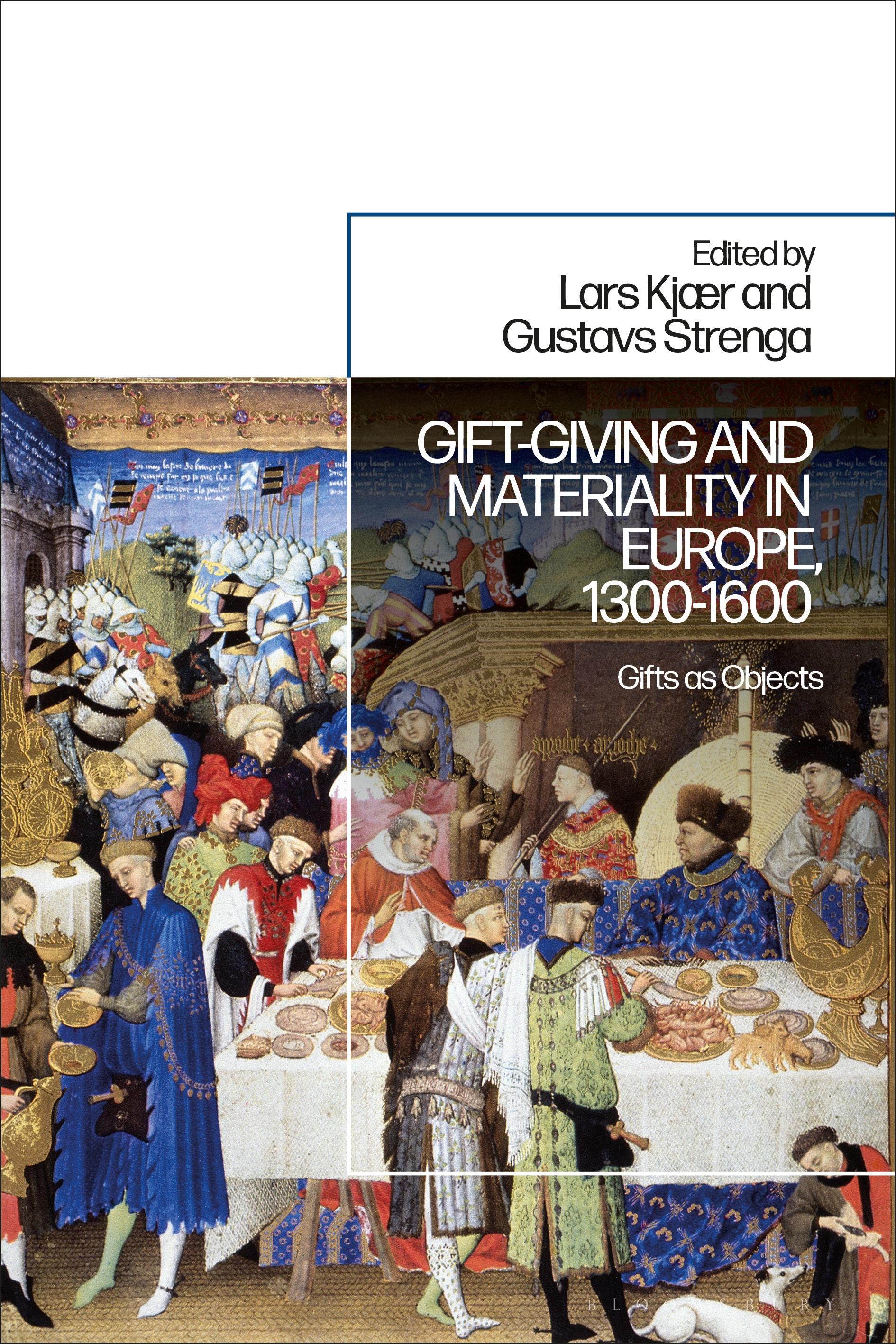
Gift-giving played an important role in political, social and religious life in medieval and early modern Europe. This volume explores an under-examined and often-overlooked aspect of this phenomenon: the material nature of the gift.
Drawing on examples from both medieval and early modern Europe, the authors from the UK and across Europe explore the craftsmanship involved in the production of gifts and the use of exotic objects and animals, from elephant bones to polar bears and 'living' holy objects, to communicate power, class and allegiance. Gifts were publicly given, displayed and worn and so the book explores the ways in which, as tangible objects, gifts could help to construct religious and social worlds. But the beauty and material richness of the gift could also provoke anxieties. Classical and Christian authorities agreed that, in gift-giving, it was supposed to be the thought that counted and consequently wealth and grandeur raised worries about greed and corruption: was a valuable ring payment for sexual services or a token of love and a promise of marriage? Over three centuries, Gift-Giving and Materiality in Europe, 1300-1600: Gifts as Objects reflects on the possibilities, practicalities and concerns raised by the material character of gifts.
Drawing on examples from both medieval and early modern Europe, the authors from the UK and across Europe explore the craftsmanship involved in the production of gifts and the use of exotic objects and animals, from elephant bones to polar bears and 'living' holy objects, to communicate power, class and allegiance. Gifts were publicly given, displayed and worn and so the book explores the ways in which, as tangible objects, gifts could help to construct religious and social worlds. But the beauty and material richness of the gift could also provoke anxieties. Classical and Christian authorities agreed that, in gift-giving, it was supposed to be the thought that counted and consequently wealth and grandeur raised worries about greed and corruption: was a valuable ring payment for sexual services or a token of love and a promise of marriage? Over three centuries, Gift-Giving and Materiality in Europe, 1300-1600: Gifts as Objects reflects on the possibilities, practicalities and concerns raised by the material character of gifts.
Payez facilement par carte, Klarna, Apple Pay ou Google Pay. Pas satisfait ? Vous avez toujours une garantie de remboursement de 14 jours. En savoir plus dans nos conditions. Si vous avez des questions, envoyez-nous un e-mail à hello@memmo.org.
Memmo facilite tes études, où que tu sois dans le monde. On rassemble tes manuels de cours et des outils d'étude intelligents au même endroit : résumés, quiz, podcasts et flashcards. Et il y a Ted, ton compagnon d'étude qui répond à toutes tes questions. Plus de 50 000 étudiants étudient déjà ici – conçu pour t'aider à apprendre plus vite et à moins stresser.